
Stand and fight
Calum Stuart
The way Daniel York Loh, a London-based actor of Singaporean and British heritage, sees it, there’s no way anyone can resist rising facism simply by being ‘reasonable’ and ‘sensible’.


The way Daniel York Loh, a London-based actor of Singaporean and British heritage, sees it, there’s no way anyone can resist rising facism simply by being ‘reasonable’ and ‘sensible’.

Singapore proudly declares itself a “pro-family” nation. But in Unease: Life in Singapore Families, Teo You Yenn uncovers a sense of unease among Singaporean parents from all walks of life.
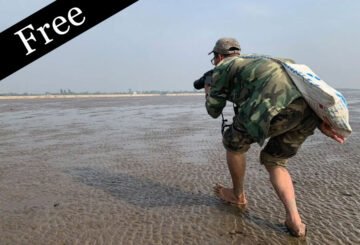
A father and son travel to experience Vietnam through the birds that call it home, even if only for a little while.
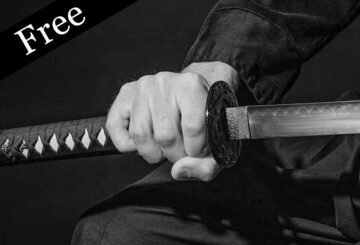
The three volumes of Eiji Yoshikawa’s Musashi: The Novel contain a rollicking yarn with a cast of colourful characters that swirls about its nucleus, Musashi, with curious and often calamitous results.
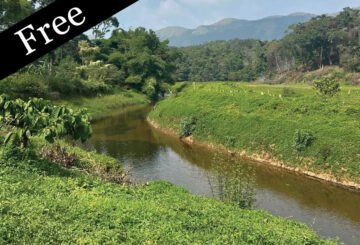
How many places exist only in narration because today they are lost, or they are not as they were?

Is the twenty-first century an Asian one? According to former Singaporean diplomat Bilahari Kausikan, this is entirely the wrong question to be asking.
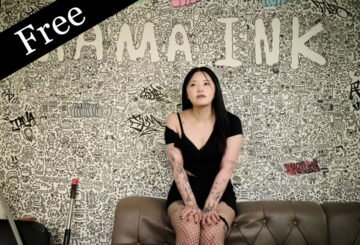
A trainee and the tattoo artists that she works with in a studio in Seoul reflect on craft, self-expression, and how upcoming changes in legislation will impact the evolution of both the culture and industry of tattooing in Korea.
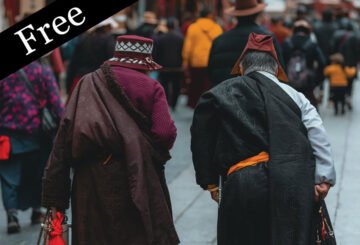
Packed with prose, poetry, stories, and reportage, Ocean, as Much as Rain is essential reading for all Tibetans and for anyone who wants to understand what it means to live under colonial occupation.
I strive to become someone breaking my back to harvest something better. A way to be home with my loved ones.

In Singapore, queerness is considered an aberration—it jams up the works, causes panic and confusion. Numerous accounts of in-person discrimination support this, especially when it comes to hair.
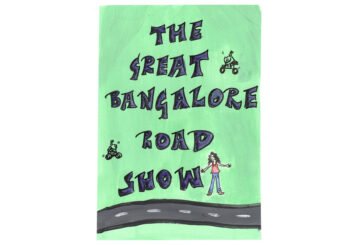
A short comic by C.S. Bhagya on the lived realities of daily commuting in Bangalore.
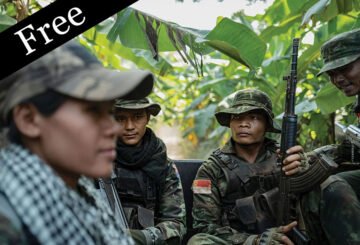
The Myanmar military hopes that an election will give their rule a veneer of legitimacy, but a vote largely rejected by the people as a sham will hardly soothe tensions.
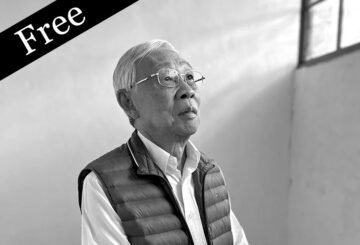
Fred Chin’s story is as much as a firsthand account of a dark time in Taiwanese history as it is a cautionary tale of the cruelty of unchecked authoritarian power.
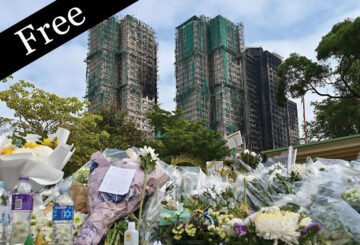
Hongkongers’ defence of bamboo scaffolding in the aftermath of the Tai Po fire wasn’t just about a material; it became part of efforts to defend the things that make the city what it is.
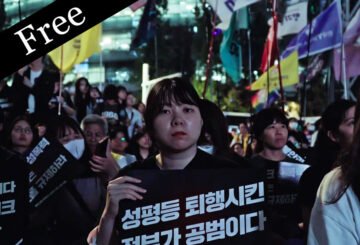
By making Kintsugi, Lim Ji-soo found a way to tell her story of surviving sexual assault.
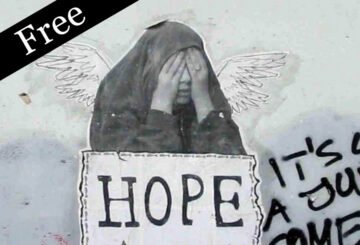
Reflections on hope.

A reflection from Mekong Review’s Editor-in-Chief on the occasion of our tenth anniversary issue.

Indonesians were already furious at their government, seen as out-of-touch at a time of economic hardship. After an armoured police vehicle ran over a young delivery rider, they became unstoppable.

Returning to politics, Leila de Lima says, is the only choice if she wants to keep fighting for justice, the rule of law, and truth.

By writing poetry from death row, Pannir Selvam Pranthaman sets out to prove that he’s more than just a condemned prisoner.
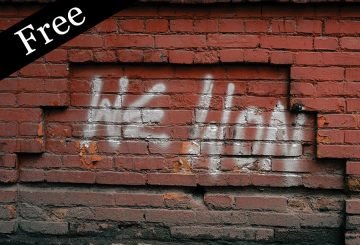
Every decade or so, Nepal endures upheaval, then dusts itself off—a cycle of destruction and reconstruction. But, maybe this time, the cycle will finally be broken.

Hakamata Iwao is believed to have been the world’s longest-serving death row prisoner. For more than half a century, his sister Hideko has never given up on him.

Hope doesn’t always come in grand gestures. Hope, I have come to believe, is less about optimism and more about practice.

How does one love a world that is increasingly fractured? A reflection on curating at Objectifs and participating in the artistic projects by Chu Hao Pei and Arie Syarifuddin in Singapore.

As an attempt to preserve what is gone, Shen Fu’s writing endures as a reminder to treasure what we still have and what we will someday mourn.

In Bengali culture, ilish is deeply intertwined with identity, memory and celebration. But the fish has also been caught up in questions of trade, diplomacy and politics between India and Bangladesh.
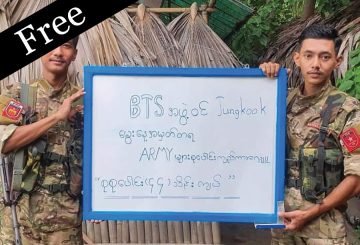
In a world that often overlooks the power of young people online, fan communities have emerged as an unseen engine of revolution in Myanmar

In the face of funding cuts and growing oppression, Cambodian reporters cling on to hope through memories of a golden age of journalism.

A comic by Juliette Yu-Ming Lizeray, reflecting on her shifting relationship with hope.

If history is written by the victors, then literature is the rebellion of the defeated.

When families affected by extrajudicial killings in the Philippines speak and shed tears of sorrow and anger in front of legislators and flashing cameras, they’re finally able to transform shame into outrage.

Forty years after the world’s worst industrial disaster in Bhopal, activists and survivors are still struggling for justice and accountability.

Dorothy Wai Sim Lau undertakes a nuanced interrogation of how fame, altruism and regional identity intersect in Asia’s transnational mediascape.

Publishing in Cambodia is still a fledgling, fragile industry, but it’s growing fast.

You Must Take Part in Revolution combines powerful imagery with a compelling plot to convey the political turmoil we’ve experienced and might face in the near future.

Nature provides expressive backdrops for Han Kang’s fiction; while she chronicles human frailty and barbarity, she also allows the light to seep in through the foliage.

How does one save the world against evil with little more than one’s own imagination? When faced with hopeless nonsense from the political leadership, what can one do with their writing?

We’re all just finding ways to relieve the anxieties of living in a world that’s spinning out of control.

Scenes and reflections from Bohol.
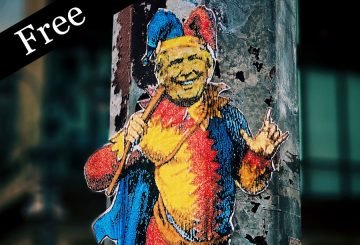
How to score points when the score-board always changes?