

SQ21 – Singapore Queer Families in the 21st Century
Edited by Jason Wee
Sometimes Light: 2026
.
Fearfully & Wonderfully Made: Stories from Conversion Therapy Survivors in Singapore
Koh An Tingh
Rainbow Lapis Press: 2025
.
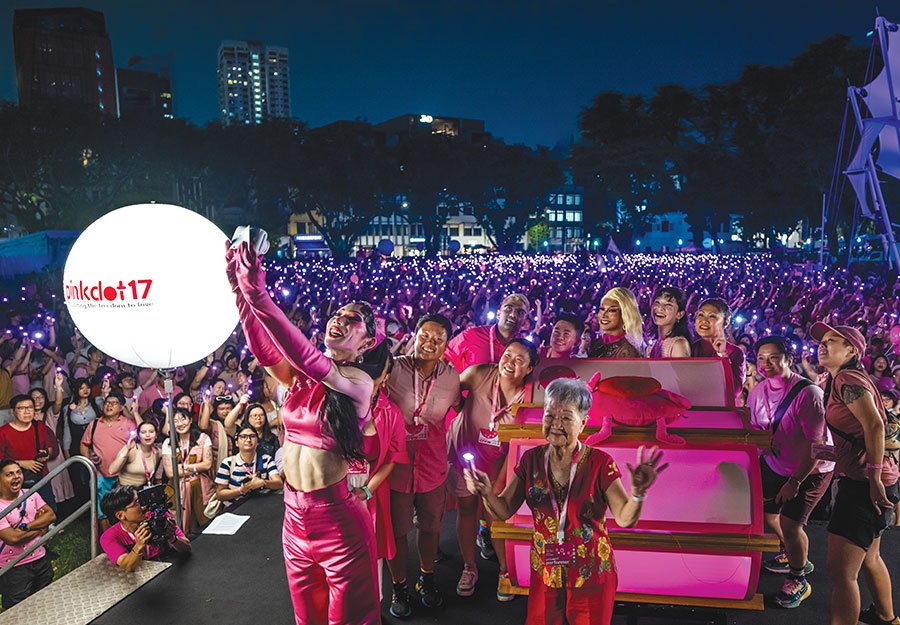
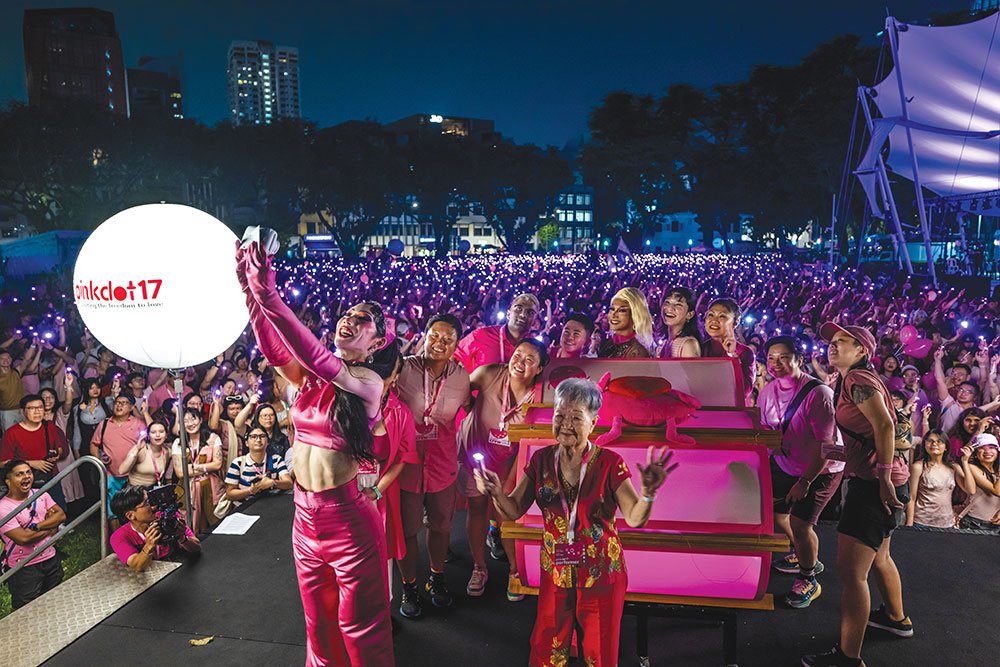
In August 2022, Lee Hsien Loong, then the prime minister of Singapore, announced that Section 377A of the Penal Code would finally be repealed. Section 377A had been introduced when Singapore was still under British colonial rule and criminalised sex between men. Multiple constitutional challenges brought against the law in the 2010s failed, but nudged the needle enough for the ruling People’s Action Party (PAP) to shift on the issue.
Singapore’s queer community rejoiced over what seemed a surprisingly progressive step. Only, there were caveats. Lee’s speech went on to pledge that the government would “uphold and safeguard the institution of marriage”—defined as between a man and a woman. The PAP-dominated parliament went on to amend Singapore’s constitution to prevent legal challenges to the definition of marriage, ensuring that only the legislature could define marriage. Government ministries also affirmed that there would be no change in their policies relating to LGBTQ+ issues: positive portrayals of “alternative lifestyles” would still be regulated or censored, and public schools would not get more inclusive. One step forward, three steps back.
Given how much emphasis government policies put on “family units”, defining marriage as only between a man and a woman affects the rights and entitlements of LGBTQ+ citizens—access to public housing, the ability to have or adopt children, and so on. It’s not unheard of for a queer couple in Singapore to get married overseas or even emigrate. For queer Singaporeans, it often feels as if the true Singaporean dream is to leave.
More from Mekong Review
-

A poem from Jee Leong Koh
-
An idealistic and highly personal approach to foreign policy is what sets Tommy Koh apart from many of his fellow luminaries in Singapore’s diplomatic sphere.
-

Edmund Wee and Epigram Books
- Tags: Calla Lim, Jason Wee, Koh An Tingh, LGBTQ+, Singapore