

The people in this story are real, but their names have been changed.
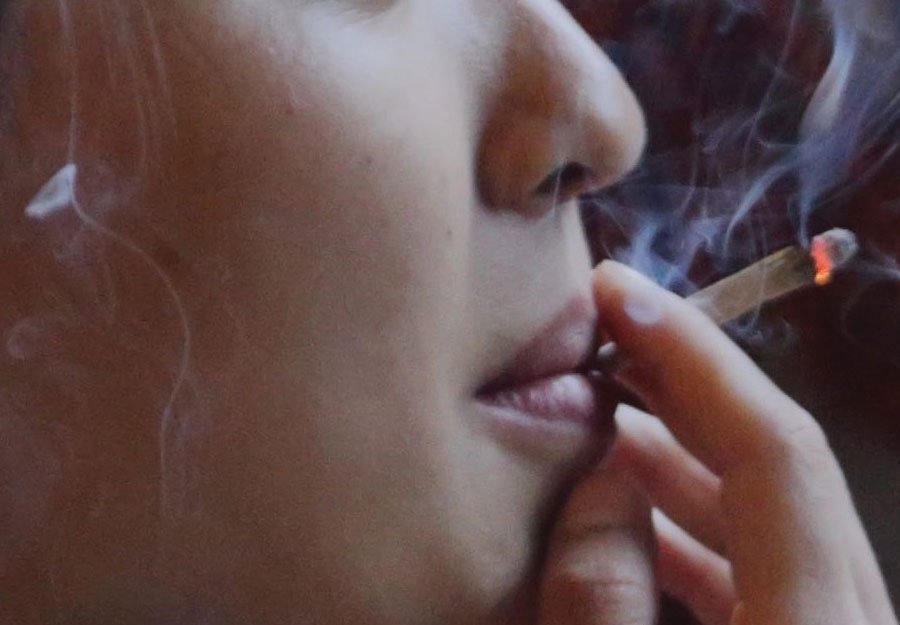
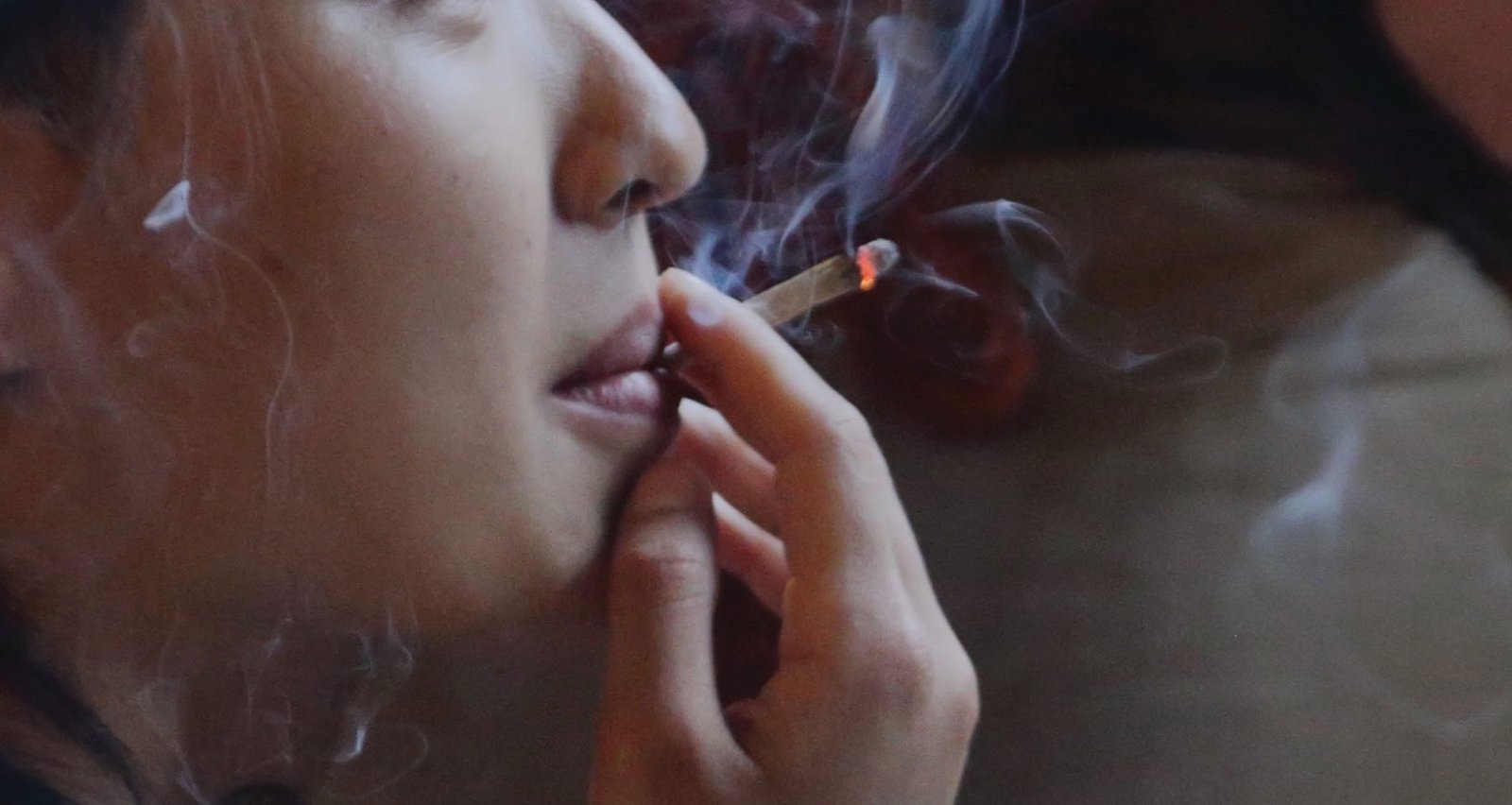
Last year, at a music festival in Thailand, I sat around a small campfire with a group of Chinese hippies. Wu, who was thirty-nine and lived in Bangkok, was gently toking on a joint and explaining how cannabis had given him a spiritual epiphany.
“I never smoked marijuana before I came to Thailand,” Wu told the group, speaking softly.
More from Mekong Review
-

A poem from Rianka Mohan
-

Shanghai has undergone three transformations in three years. First, it turned itself into a bubble, then it clamped down hard, monitoring every resident’s movements. Finally, it bounced back to normalcy, almost as if the previous years had been a fever dream.
-
China has resumed the role that it occupied for most of the last two millennia—until the nineteenth century—as the world’s dominant economic force.
- Tags: China, David Frazier, Issue 44, Thailand