

Singapore Dream and Other Adventures (translated by Sherab Chödzin Kohn)
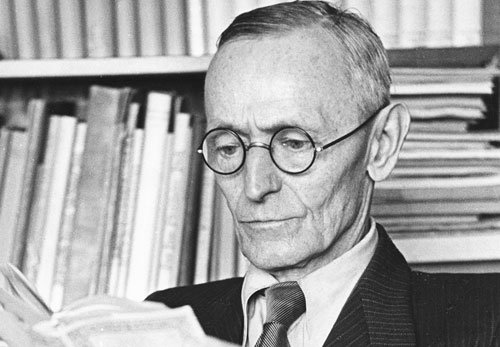
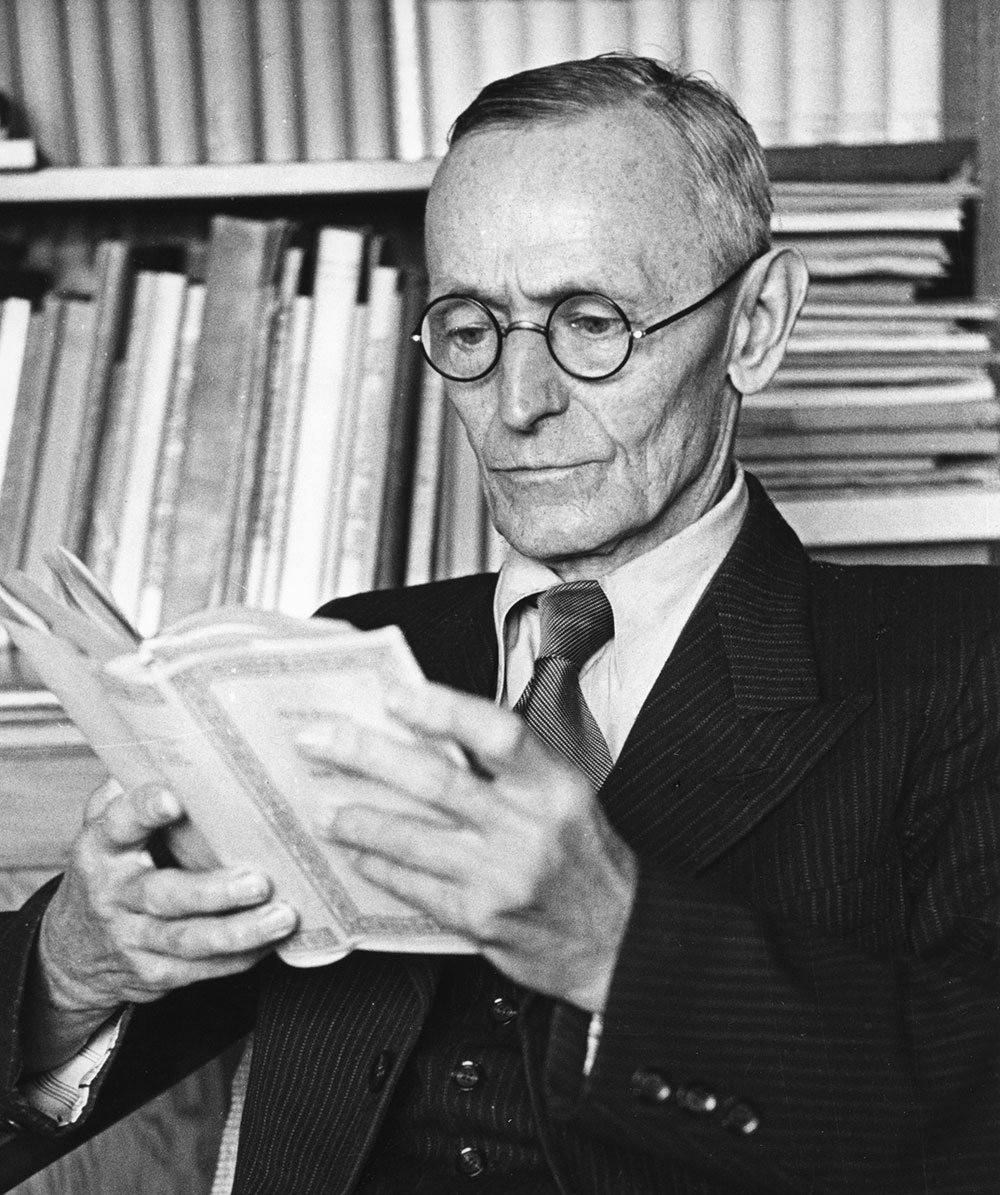
Hermann Hesse
Shambala Publications: 2018
.
In a letter dated 1919, the German writer Hermann Hesse wrote: “For many years, I have been convinced that the European spirit is on the wane, and is in need of a return to its Asian roots. I have admired Buddha for many years, and have been reading Indian literature since my earliest youth. Later, I became more familiar with Lao Tsu and the other Chinese philosophers. My journey to India was but a small addition to, and illustration of, these thoughts and studies.”
Hesse had, in fact, never reached the shores of India. In 1911, he embarked on a voyage to Asia that took him to Malaya, Singapore, Sumatra and Ceylon. The Malabar coast of India was on the original itinerary, but the trip had to be cut short due to an onset of dysentery. Yet India remained, for Hesse, the symbolic and spiritual doorway to the East. He chose India as the setting of Siddhartha, the 1922 Bildungsroman that became a literary sensation in the 1960s counterculture movement and made Hesse, for a time, the most popular German writer in the English-speaking world. For all his discontent with Western civilisation and his idealisation of the East, Hesse was not simply another Orientalist seeking escape and enlightenment in an imagined East. His need to “return to Asian roots” signified both what he described as a “return to the legendary childhood of humanity” as well as a personal retracing of the path of his own ancestors.
More from Mekong Review
-

Poetry from Melinda Jane — The Poet Mj
-
Has the Singapore Story lost its gloss?
-
The taste of home
- Tags: Hermann Hesse, Issue 14, Pauline Fan, Singapore