

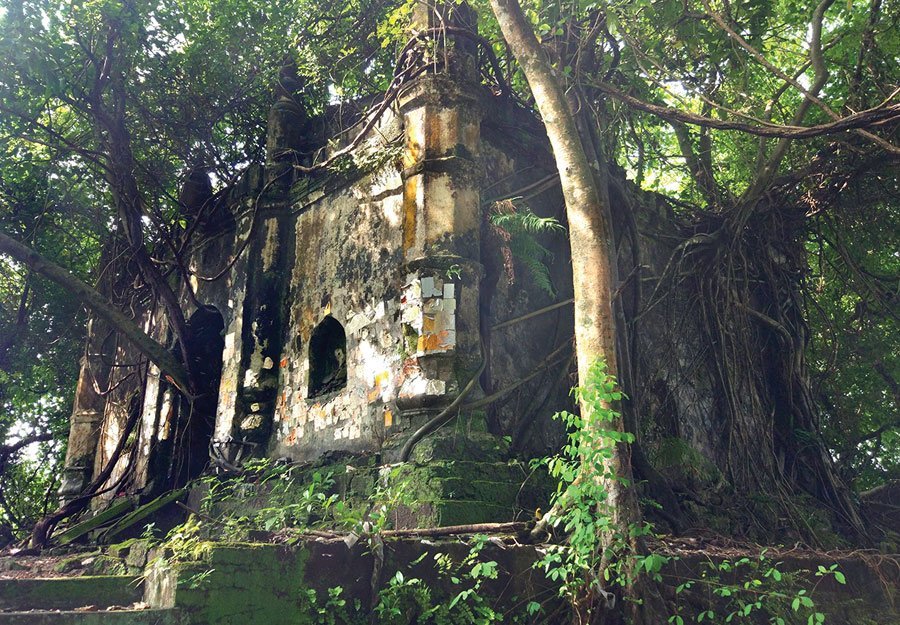
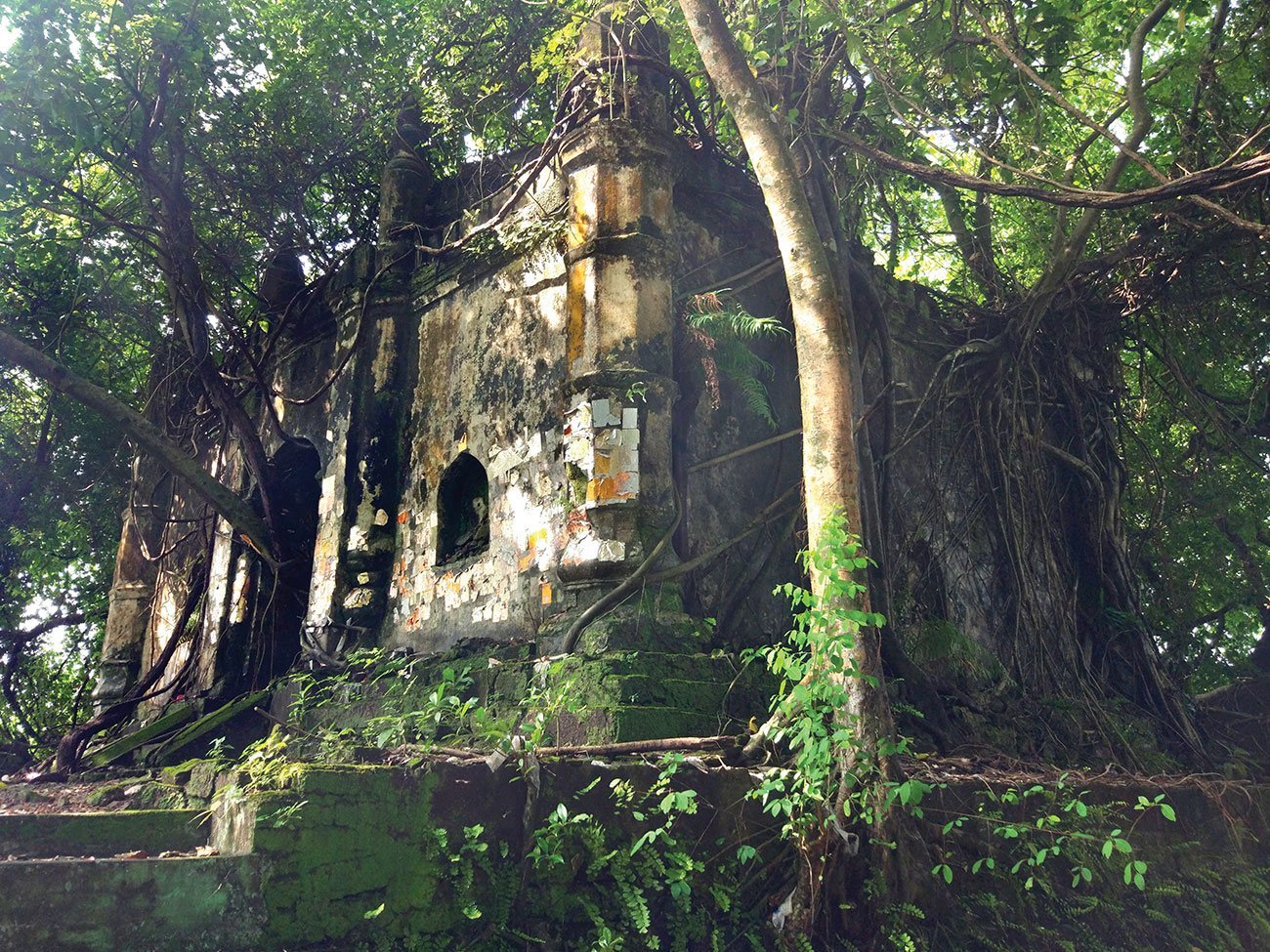
It was 2019 and the middle of the monsoon season. Security had recently been tightened at the massive naval base on the outskirts of Sittwe, the capital town of western Myanmar’s Arakan (or Rakhine) State. Ethnic Rakhine insurgents, known as the Arakan Army, had escalated their war against the central government a few months earlier. The last time my wife and I visited the base, we’d been waved through the gate; now, all visitors were carefully registered. We told the guard that we were making a pilgrimage to the Buddermokan shrine situated within the base’s sprawling grounds. He gruffly told us to leave our bicycles outside and made copies of our IDs before letting us in.
The shrine had originally been built in homage to a Sufi saint, but has since drawn Muslims, Buddhists and Hindus alike. The Myanmar authorities have banned Muslims from entry since violence erupted between Buddhist and Muslim communities in 2012. The situation has deteriorated further—the Myanmar military’s actions against the Rohingya in 2017 is now the subject of a genocide case at the International Court of Justice. Today, Sittwe’s Rohingya Muslim population remains largely confined to camps and villages under a segregationist policy. During our visit, it was common to hear people claim that the Rohingya were not only foreign to the area but also a threat to Arakan.
More from Mekong Review
-

"Soe Nay Lynn", "Vignette" "Pay Pay* at Phoe Htoo Teashop" & "The sky and its two stars"
-
A poem from Maung Day
-
The Burmanisation of language in Myanmar
- Tags: Issue 36, Matthew Fraser, Myanmar