

The Young Die Old
Nguyễn Bình Phương, translated by Khải Q. Nguyễn
Major Books: 2026
.
This book is not for those who seek perfection, I mused as I turned the final pages of Nguyễn Bình Phương’s 1994 novel, The Young Die Old—prominently acclaimed by local critics as one of the works that heralded the emergence of magical realism in Vietnamese contemporary literature. While socialist realism was the ideology that dictated the stylistic expressions of Vietnamese writers during the revolution period (1945–1975)—with a focus on anti-imperialism and depictions of the working class’s quotidian life and fighting spirit—the post-war period, particularly after the Đổi Mới economic reforms in 1986, saw writers returning to mythological roots and fantastical storytelling to explore the psychological scars left by decades of warfare. In his conversation with Khải Q. Nguyễn, who translated the novel from Vietnamese to English, Phương commented that, while widely regarded as originating from Latin America—with canons such as Gabriel García Márquez, Jorge Louis Borgez, and Isabel Allende—magical realism is not a solely Latin American invention. Vietnam has its own wealth of fantasy embedded in its folklore, from which Phương drew inspiration.
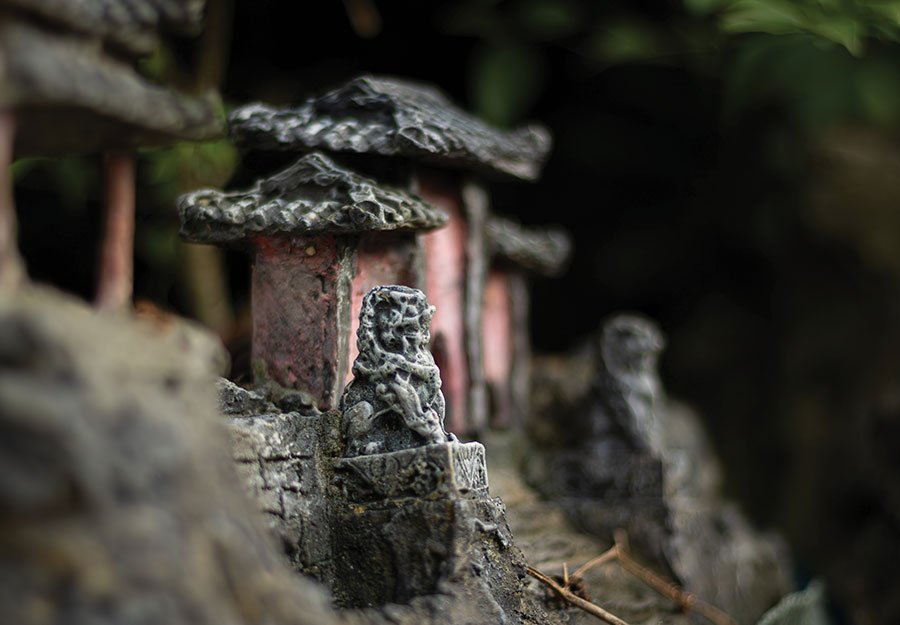
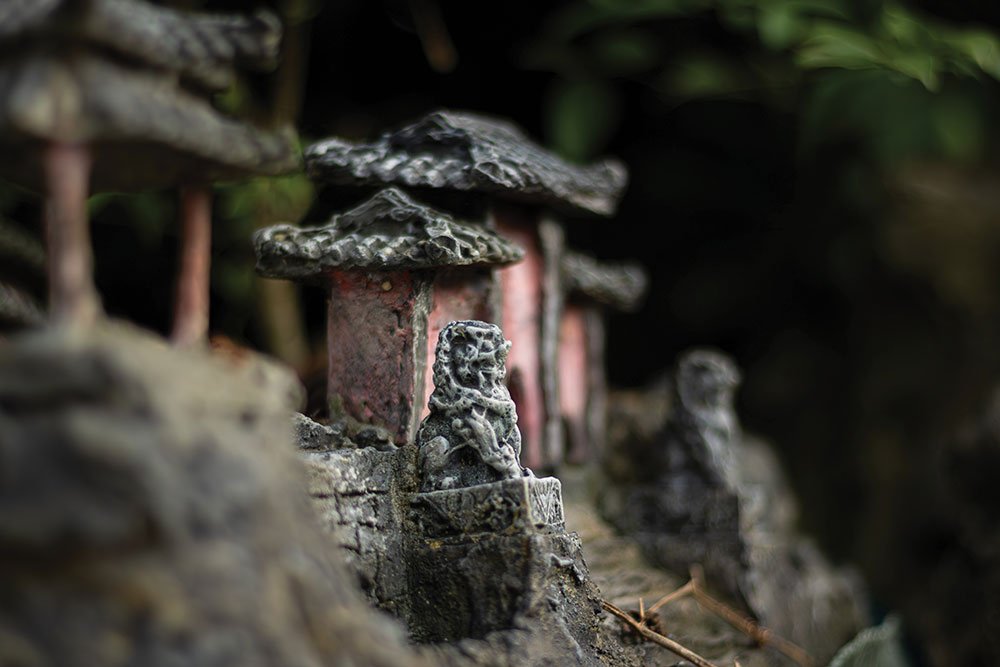
The Young Die Old unfurls within the atmospheric realm of Phan Village, nestled in a valley backed by a range of hills shaped like a majestic animal, the temperamental Linh Nham River before it. The novel’s plot is driven by love, jealousy, and tensions between the villagers. Two families—headed by their respective patriarchs, Old Trường and Trình—both receive identical instructions, passed down from their predecessors, about a treasure buried in the village’s dense hills. It’s a promise of richness and prosperity that will sustain generations. In order to excavate it, they must capture a three-eyed nghê (a Vietnamese mythical chimera, usually with a dog’s body and lion’s mane) and use it to gauge the treasure’s location.
More from Mekong Review
-

Garment workers and labour organisation in Vietnam
-

New poetry from Nguyen Quan
-
Uyghur dance performances are invariably showcased by Chinese officials in an attempt to show that everything in Xinjiang is ‘normal’. It’s a move that, through its absurdity, creates even more unease.
- Tags: Dương Mạnh Hùng, Issue 44, Nguyen Binh Phuong, Vitenam