

From what I’ve heard from fellow journalists—I myself have been unable to visit China due to my extensive reporting on human rights in Tibet, Xinjiang, and Hong Kong—when you go on a state-approved visit to Xinjiang, a region entirely closed to independent media or civil society, you will invariably see dancing Uyghurs. It’s an attempt to show that everything in the region is normal, but one that, through its absurdity, creates even more unease.
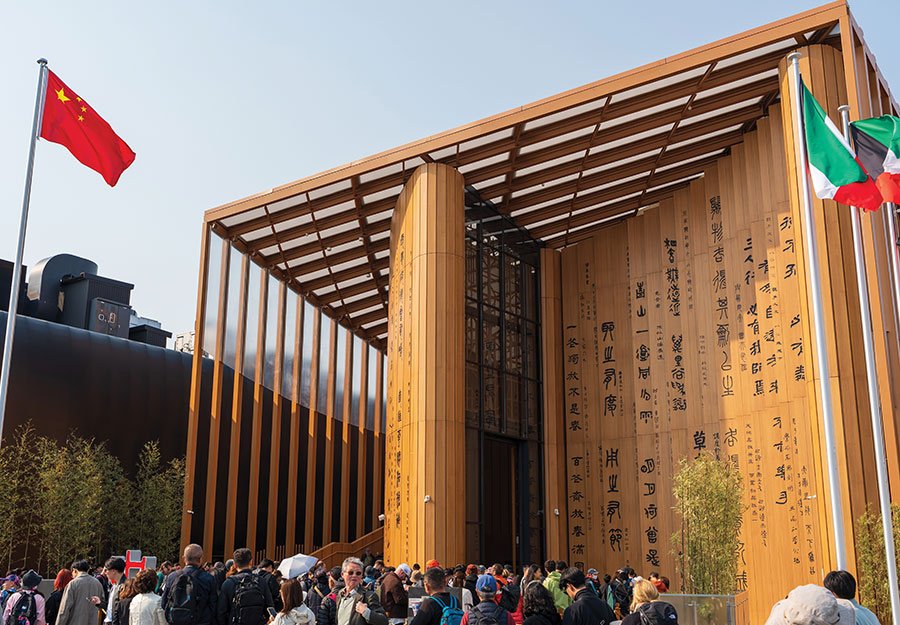
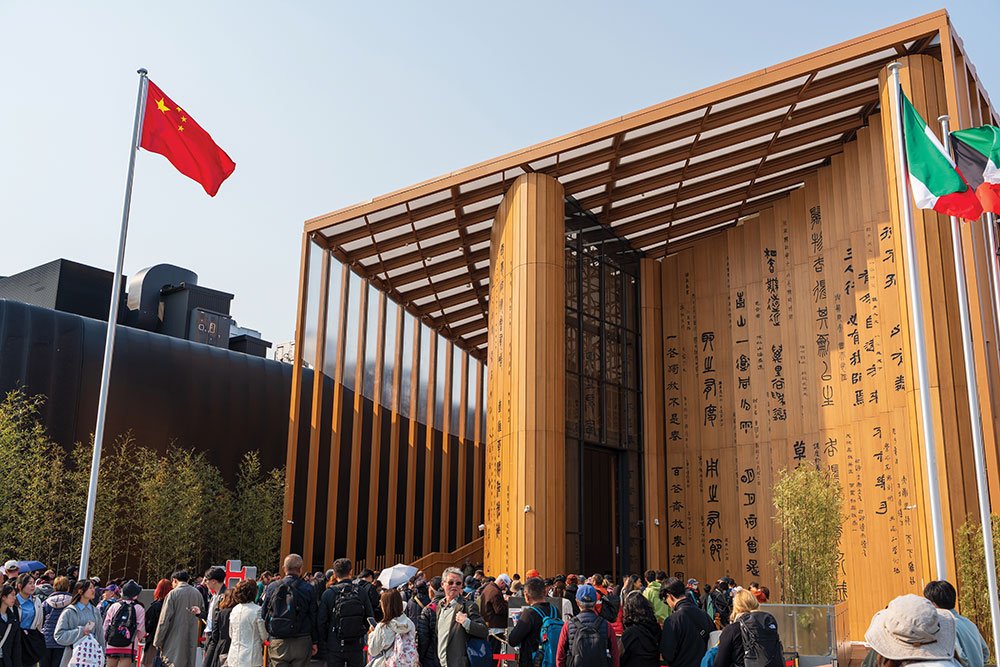
Last summer, China brought Xinjiang propaganda to Japan during ‘Xinjiang Week’—one of several provincial themed weeks—at the Osaka World Expo. Having covered an event at the China pavilion earlier in the year, I was on the press list and, as it turned out, was the only non-Chinese journalist in attendance at Xinjiang Week. By email, I was told that, alongside details about Xinjiang technology and a company expo, there would also be a cultural exhibition of arts, crafts, and “dancing performances from Xinjiang, where people there are really good at dancing”.
I brought along a Chinese American student I’d been working with, as I thought her language skills could help us better understand the event. It turned out to be essential, as many of the staff at the pavilion didn’t speak either English or Japanese.
More from Mekong Review
-
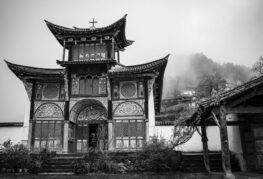
In the mountains of the Nujiang region, China, the Catholic faith has been shaped by generations of isolation and woven into local custom and ritual.
-

For the Tibetan community in London, the upcoming Chinese mega-embassy at Royal Mint Court is just another physical manifestation of the surveillance and climate of fear they have to navigate.
-

Chinese law allows the state to punish its citizens for consuming cannabis outside its borders, but many young Chinese citizens see Thailand as a safe haven for mind-altering experiments.
- Tags: China, Issue 44, Nithin Coca, Uyghur