

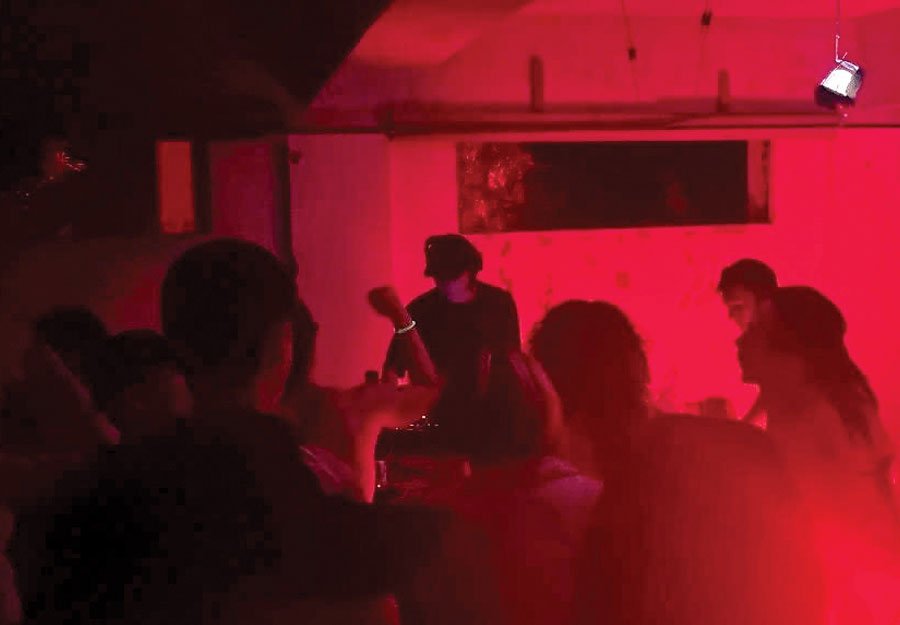
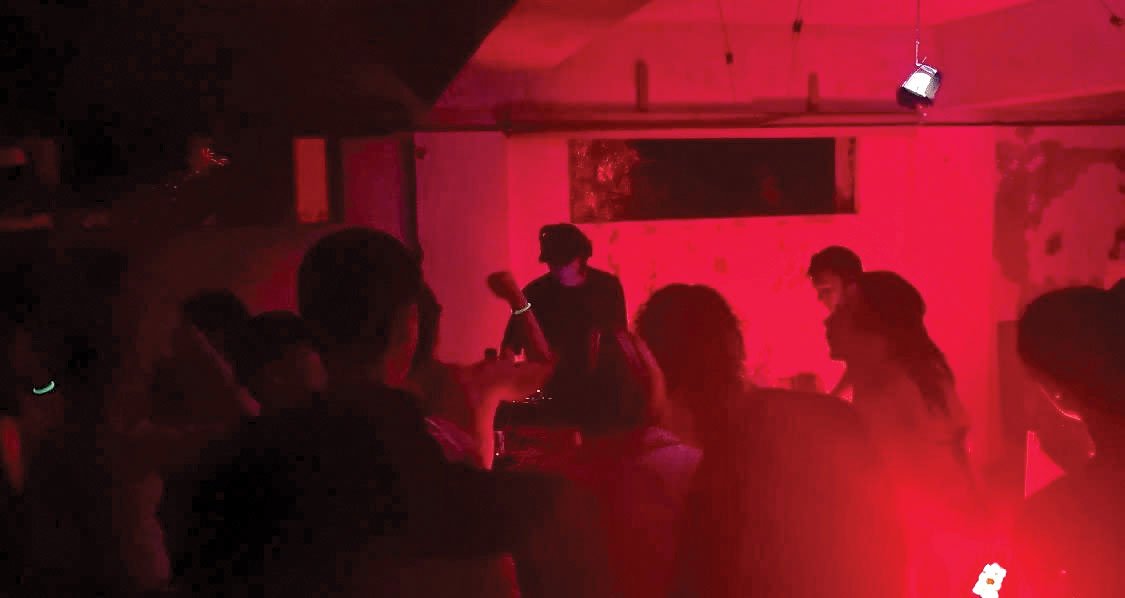
Not many global cities can place the exact date of their first rave, but in Taipei it’s canonically remembered as 29 July 1995: the day Allen Chen and some friends set up a turntable and speakers under a bridge in New Taipei City. He spun techno tracks and set into motion the beginning of a movement.
The flyer for the event—decorated with a red handprint and the characters “同心 (shared heart)”—listed scant details: a phone number, email address, and the alluring promise of “hypnotic sound and lights”. As Chen—better known as DJ @llen—remembers it, fewer than 200 partygoers showed up on the floodplains of the Tamsui River. But the rave lit a fire among young Taiwanese at a time when the island was relearning how to party. “After that first one, a lot of people… kept asking me to do another,” he recalls. “I did a second one there at the same place—and then I did a third and a fourth one.”
The growing rave culture in mid-1990s Taiwan added to a steady stream of avant garde art shows, performance art, and festivals that characterised a newfound freedom in the country’s post-martial law era. By 2000, Chen was hosting parties of more than 1,000 ravegoers in increasingly creative, open-air locations on the outskirts of Taipei. This period is remembered as the zenith of Taiwan’s rave scene, before a moral panic swept through the media over the increasing use of ecstasy and MDMA—the party drugs of choice among dispassionate ravers. “The scene became politicised because raves created spaces for people excluded by mainstream society: queer people, drug users, youth subcultures, and ‘improper’ nightlife,” says Lin Chen-yu, a lecturer in creative and cultural industries at Cardiff University.
More from Mekong Review
-

‘Tò-uat’ means ‘turn left’ in Taiwanese Hokkien—a signal of political orientation rather than literal direction—and the bookstore’s website describes itself as “Taiwan’s only social movement–focused bookstore”.
-

Ducky Tse was an established photographer in Hong Kong when, at the age of fifty, he decided to uproot and relocate to Taiwan. He bought a van and refurbished it, driving it around the country. Through his photographs, he reflects on a new chapter of his life.
-
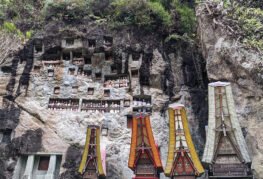
According to Aluk Todolo, the indigenous religion of the Toraja in the Tana Toraja highlands of Sulawesi, death is not a single event but a passage to Puya, the spirit world.