

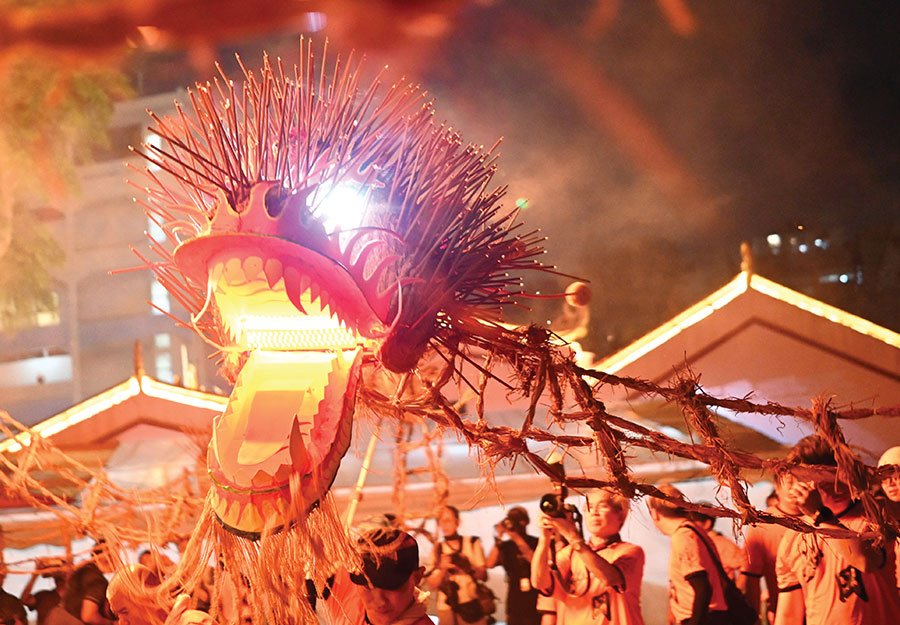
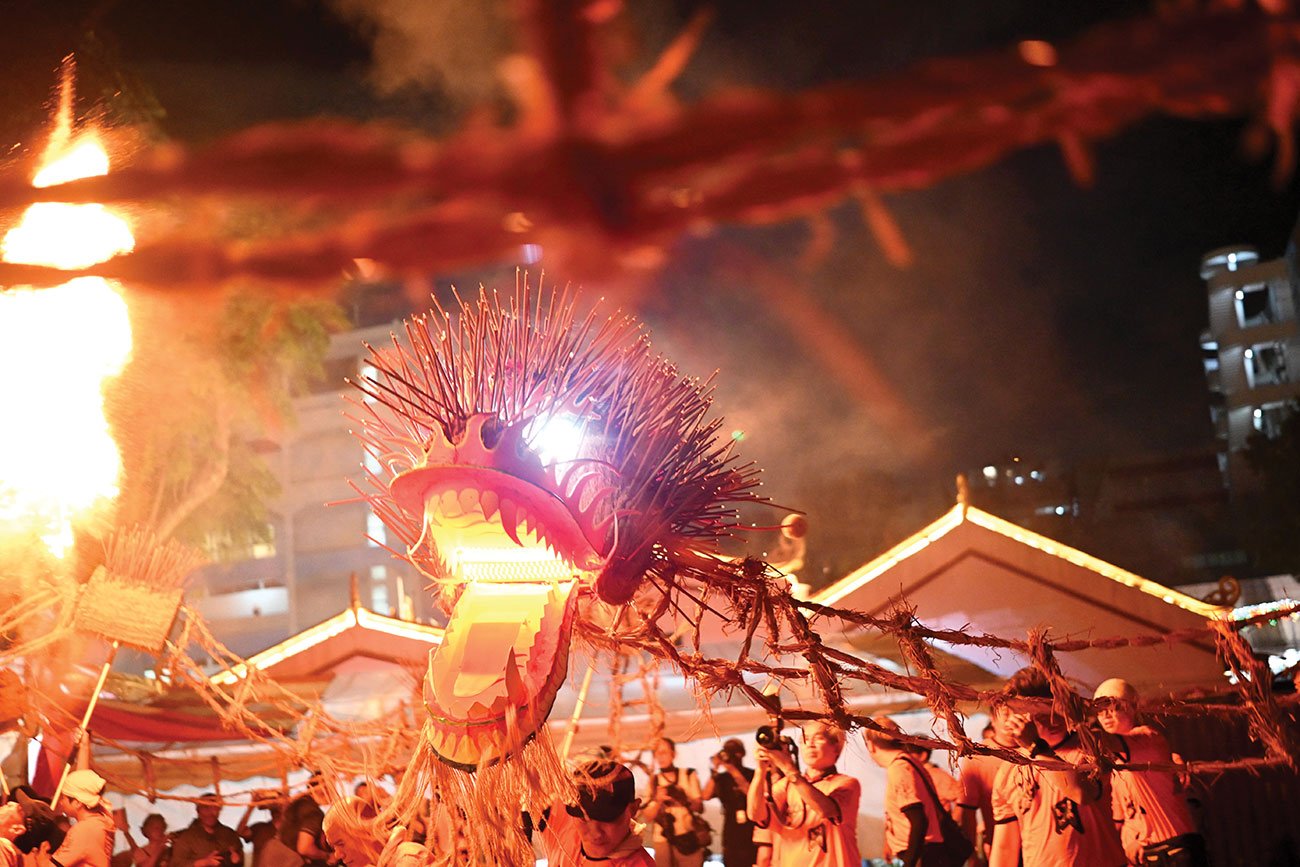
In the pantheon of Chinese mythology, few symbols command as much awe as the dragon (龍). Majestic and unrestrained, it stands as the preeminent member of the four divine creatures, alongside the turtle (龟), phoenix (凤), and qilin (麒麟). Historically, the dragon was the ultimate emblem of the Son of Heaven. During the Ming dynasty, the five-clawed dragon adorned the buzi (補子), or rank badges, of the Emperor’s robes. These intricate badges weren’t merely decorative; they were markers of nobility and merit, awarded to those who performed exceptional service.
Despite its omnipresence, the dragon remains a creature of pure myth, never witnessed by the human eye yet vividly rendered through the ages. It is a biological mosaic; a lion’s nose and tiger’s mouth paired with the ears of an ox and the shimmering eyes of a goldfish. Crowned with deer antlers and grounded by eagle claws, its energetic, snake-like body is shielded by the underbelly of a clam. To the Chinese world, this auspicious creature is more than legend; it is spiritual sustenance used to conquer nature and ward off evil. Whether dwelling in the depths of the water or the vastness of the sky, the dragon’s eleven distinct forms remain a powerful symbol of protection.
In Singapore, this reverence finds its most vibrant expression in the dragon dance. Chasing the ‘pearl of wisdom’ to the thunderous beat of percussion, the dragon has been a harbinger of clement weather and bountiful harvests since the Han dynasty. Today, it remains a staple of the Lunar New Year and a blessing for new beginnings, bridging the gap between ancient ritual and contemporary celebration.
More from Mekong Review
-
In Singapore, Chinese street opera survives not through preservation alone; it also requires constant recreation and regeneration.
-
The taste of home
-
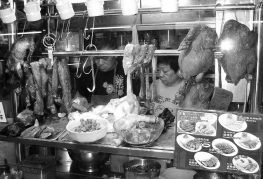
There is only one place to eat this
- Tags: Angela Sim, Issue 45, Singapore