

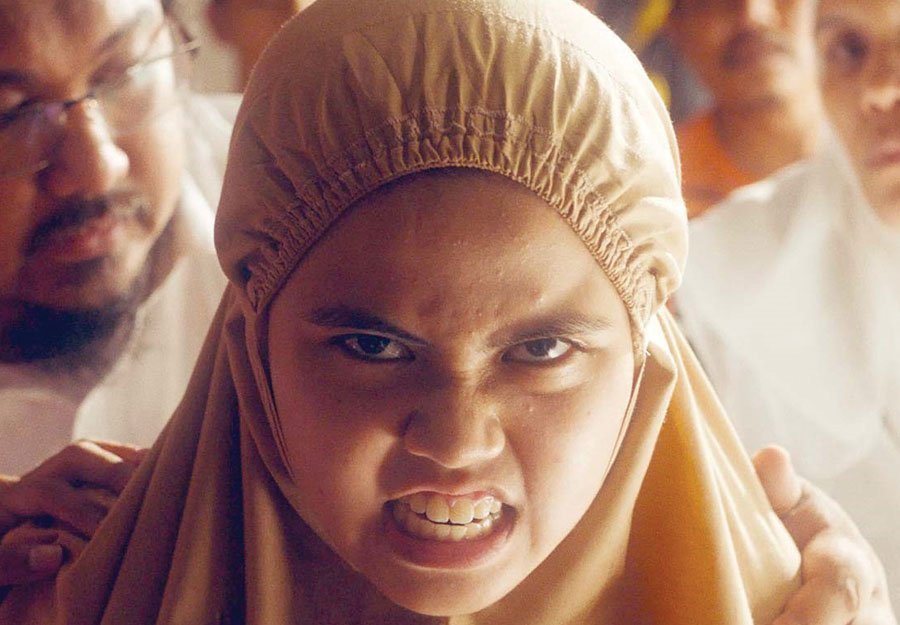

Tigers are thought to represent certain types of people, depending on one’s position in the hierarchy of social class and culture. Stamford Raffles was, nearly two hundred years ago, one of the earliest colonial observers perceptive enough to understand the symbolic meaning of the death match witnessed by the Javanese peasantry between the wild tiger and buffalo. The people cheered—albeit with impending dread—for the buffalo, the beast of the plough, whom they saw as fighting their corner against the rapacious tiger-like Dutch. The tiger was fierce, but the buffalo was formidable in its resoluteness. Like a predator that preyed on the weak, the Dutch had come to their land to exploit their labour and natural resources.
Tigers are sometimes even thought to be people. According to Malay and Javanese legend, weretigers (harimau jadian) are humans who changed into animal forms after they were banished into the jungle for grave misdeeds. To become a practitioner of weretiger magic, one must eat sparingly before transformation can take place, and the person’s head becomes the tail. Once in weretiger form, they can cause mischief and mayhem. But not all such creatures should be condemned at face value—they could also be the reincarnation of respected spiritual leaders and ancestors whose beastly forms protect villagers from outsiders bearing ill intent.
More from Mekong Review
-
There is only one place to eat this
-
The taste of home
-

Poetry from John Brixter Tino
- Tags: Alicia Izharuddin, Issue 35, Singapore