

Red Flags: Why Xi’s China Is in Jeopardy
George Magnus
Yale University Press: 2018
.
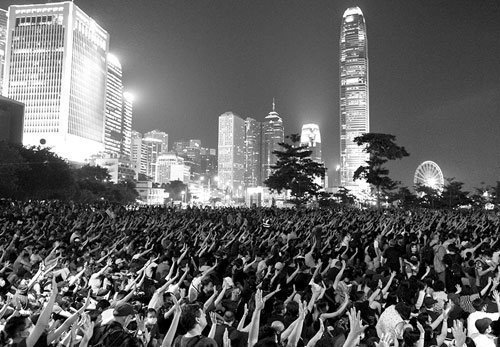
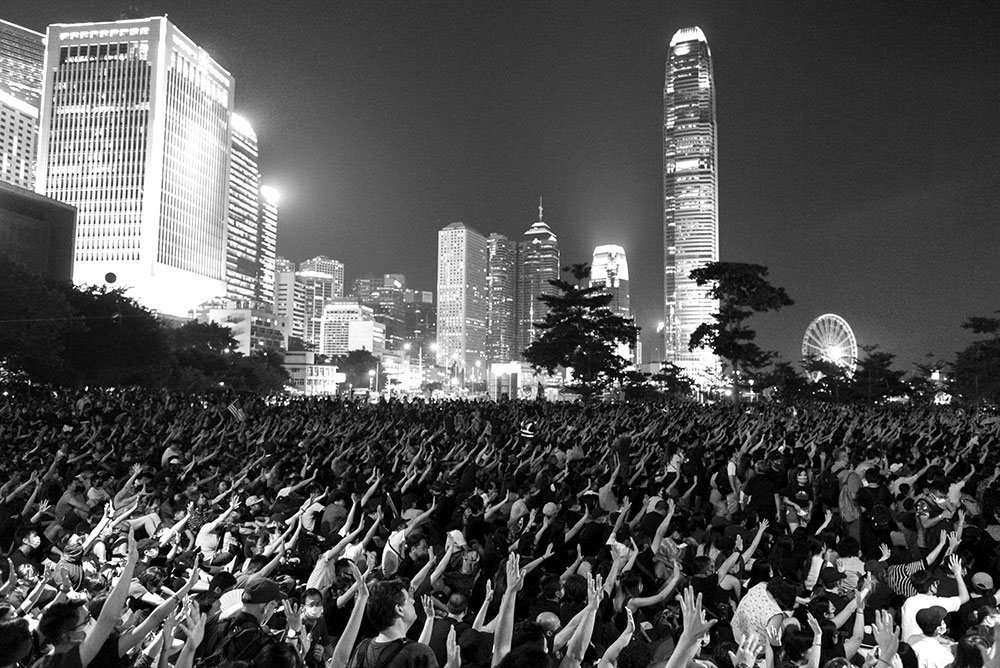
Never trust China,” a wrathful Hong Kong protester told me during the large-scale protests in Sha Tin district earlier this year, two months into the unprecedented revolt that has shaken Asia’s most global city. Having spotted me from afar seeking protesters to interview, he had volunteered with certitude. In his every word, tinged with anger and idealism, one could detect an unshakable conviction inspired by fear and defiance — he was unabashedly pursuing a goal higher than himself. His remarks solicited nods of approval from the surrounding audience.
“We are not fighting to gain anything; we are fighting not to lose anything. I am worried about Hong Kong becoming China,” he added, with a heavy breath, as we scurried from an area that was about to be swarmed by police officers. Covering his face with a mask, and offering me another, he warned that the police were intent on identifying protesters for sinister ends. Later that night, baton-wielding policemen bludgeoned countless students within view of a horrified global media.
Young and idealistic, the protesters reminded me of my university seniors in Manila, back in the dark and dreary era of martial law, when former Philippine dictator Ferdinand Marcos snuffed out the country’s democratic institutions in a carefully planned constitutional coup. Even in the gloomiest days of his rule, left-leaning students and independent-minded administrations at the University of the Philippines (UP), most especially the former foreign secretary and veteran diplomat Salvador Lopez, valiantly resisted the infiltration of security forces into the campus, which served as a hotbed of student activism against the dictatorship. This was the golden age of student activism in the Philippines, with UP leading the way.
More from Mekong Review
-

Albert Wan’s Bleak House Books
-

Poetry from Lok Man Law
-

A poem by Yago Tse.
- Tags: China, George Magnus, Hong Kong, Issue 17, Richard Heydarian