

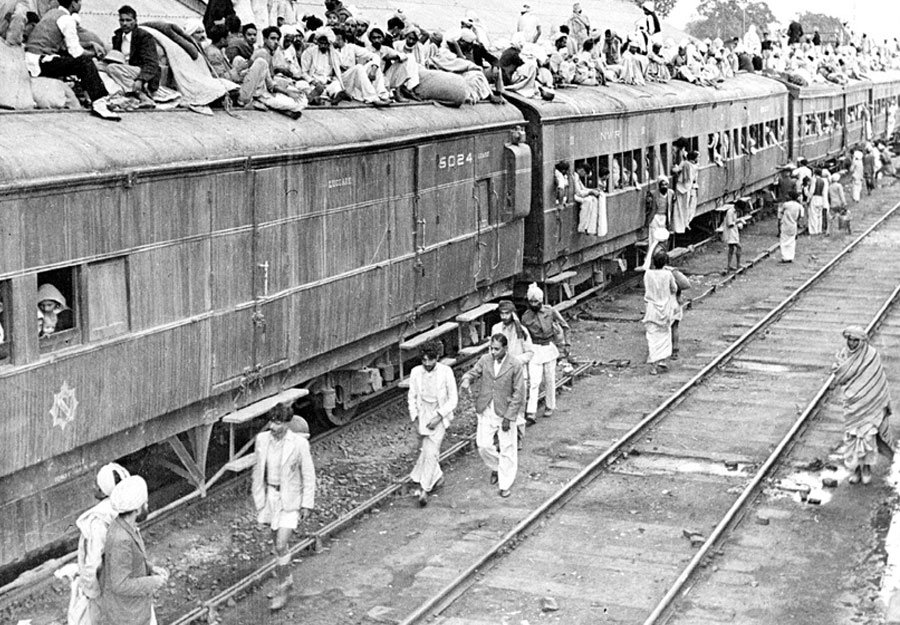

This morning there is an article in India Today about the mandir wapsi or ‘reclaim the temple’ movement. The movement was supposed to have ended on 9 November 2019 when the Supreme Court handed down a verdict in favour of the Hindu groups seeking to rebuild the Ram temple in Ayodhya on the site of the mosque they claimed had replaced it. The article, however, indicates otherwise. According to it, the movement is very much alive and mosques in Kashi, Mathura and other places that are believed to have replaced temples with mosques are on the anvil.
All politics is personal. So I guess it’s not surprising that the article takes me back to the 1990s where the issue of the Ram temple divided me and my father the way it would divide our nation for the next three decades. Papa was for the construction of the temple. I was for leaving the past alone and moving on. Neither could understand the other’s position, which led to rancour. The only way to keep the peace was to avoid discussing the issue. We didn’t have to do that with anything else. Papa was hardly autocratic, but when it came to the Ram temple, he expected me to toe his line and would lose his temper when I did not. Sometimes I lost mine as well. Today I don’t know what to marvel at more: our disagreement or the fact it occurred over a temple that hadn’t existed for more than four centuries. William Faulkner said, ‘The past is never dead. It’s not even past.’ That the idea of a temple should enthral a nation more than four centuries after it disappeared not only underscores Faulkner’s point, but also suggests that the past has the capacity to determine the present and future just as compellingly as the latest app from Silicon Valley.
More from Mekong Review
-
Cities are not meant to be empty
-

Nothing happens in Salt Lake, and that's all right.
-

Snacking in Calcutta
- Tags: India, Issue 28, Vikram Kapur