

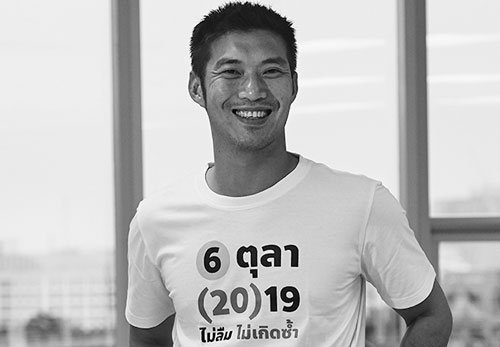

After the March 2019 election in Thailand, people thought politics was back on a democratic path. The military’s five-year hold on power was over, and a new political star had begun to shimmer: Thanathorn Juangroongruangkit, the energetic, fiery, wealthy young scion of Thai Summit Group.
But nothing about Thailand’s destiny is certain. The 2017 constitution was designed for the express purpose of leaving the junta’s power uninterrupted: the referendum on the draft constitution was marked by the fierce obstruction of those who campaigned against it, and the electoral system was constructed to weaken large parties. In addition, a rival party opposed to the military government was dissolved before the election and many of the executive orders issued by the junta continued to have the status of law. Despite these and other obstacles, Thanathorn’s Future Forward Party secured more than eighty seats in parliament, two to three times what it had expected, and the Pheu Thai Party, that of former prime minister Thaksin Shinawatra, received the most votes. Yet the election resulted in the public seeing the same old faces, including the same prime minister, from parties affiliated with the military.
The clearest indication of the unchanging nature of Thai politics is that Thanathorn remains unable to take up his seat in parliament, owing to the many political cases brought against him and his party. All he can do is wait to see whether the sword of the Constitutional Court will fall on his political rights — or even on the Future Forward Party, as happened numerous times to Thaksin-aligned parties in the preceding decade. The standards for political-party dissolution in Thailand have grown very lax.
More from Mekong Review
-

Two poems by Rory Harris
-

The end of an affair
-

Prabda Yoon shifts his absurdist lens to the body