

How We Disappeared
Jing-Jing Lee
Oneworld Publications: 2019
.
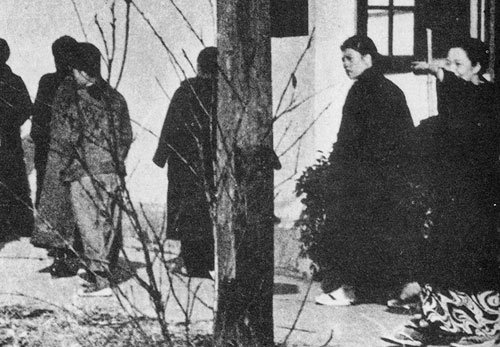
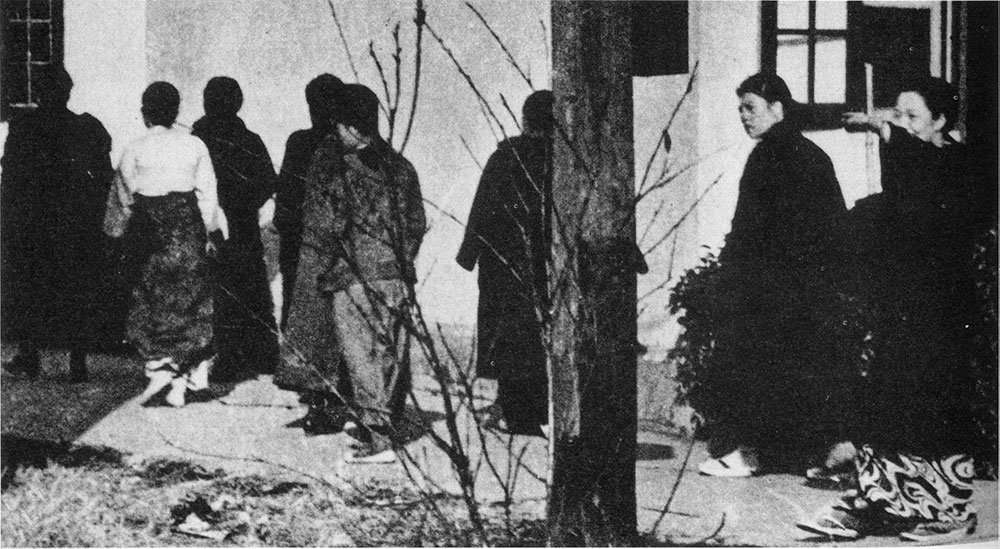
How We Disappeared tackles the subject of Singaporean women forced into sexual slavery by the Japanese army, as well as other dark secrets of elderly individuals in the city-state where World War II is but a distant memory. It was only half a century after the war that stories of the “comfort women” surfaced publicly around the world. We learned how tens of thousands were abducted or tricked into sex work in Japanese military camps under appalling conditions that either killed or scarred them for life.
Whatever official reparations or apologies made by the Japanese government have since been criticised as insufficient by activists and surviving victims, now in their eighties or nineties. Many of these women, some little more than children at the time of their enslavement, were from Korea and China, countries that Japan had invaded or colonised well before World War II.
Less well known are the stories of the Japanese army’s trafficking of women from Southeast Asia. The historian Kevin Blackburn has written and spoken about seven known “comfort stations” in Singapore — houses in which the women were locked up and forced to service an assembly line of up to twenty or thirty soldiers a day. While most of these women were Korean and Indonesian, a small number were ethnic Chinese from Singapore, but none have gone public with their stories because of shame — survivors returning to their respective communities would have been stigmatised as prostitutes. While historical markers and memorials relating to the Japanese occupation are dotted throughout the island, none are about the “comfort stations” or “comfort women”.
More from Mekong Review
-

Poetry from David Chandler
-
Poetry from Rory Harris
-
Raffles, Farquhar and Singapore’s bicentennial
- Tags: Clarissa Oon, Issue 15, Japan, Jing-Jing Lee, Korea, Singapore, World War 2