

Never Turn Back: China and the Forbidden History of the 1980s
Julian Gewirtz
Belknap Press: 2022
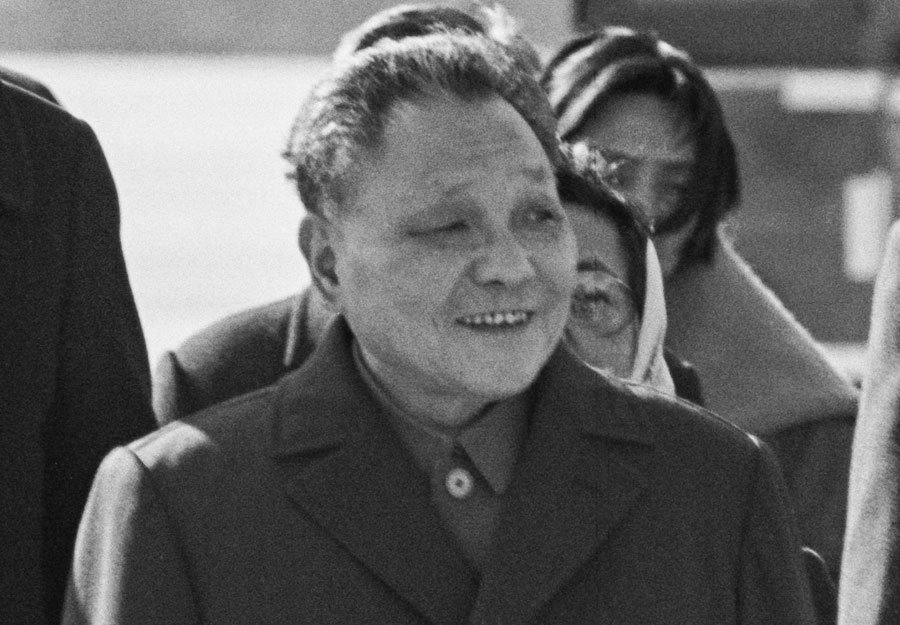
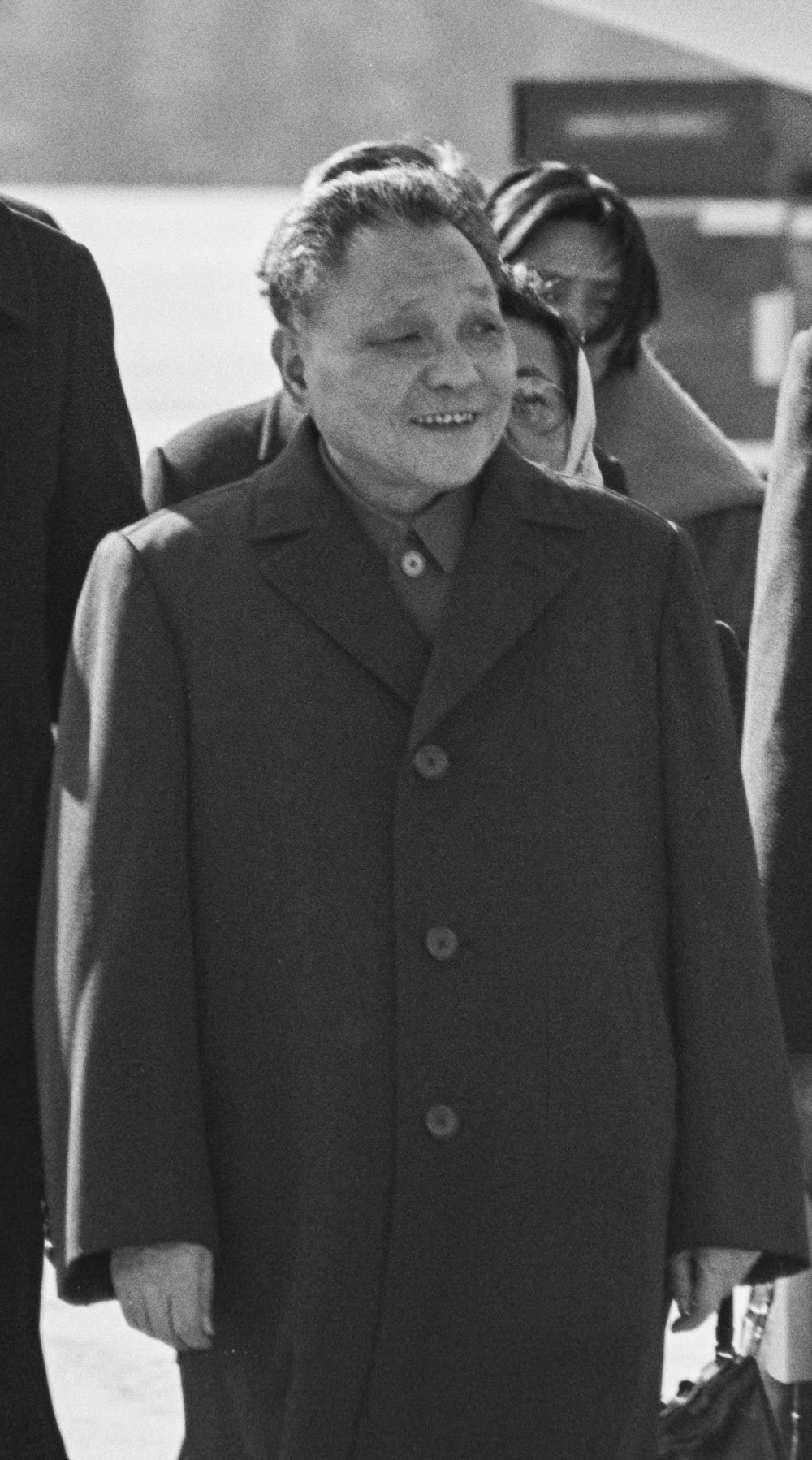
On a mild, overcast day in January 1984, Deng Xiaoping set out as usual for his morning walk. This time, he was far from the Beijing courtyard garden that ordinarily defined the limits of his amblings. Deng had woken that Saturday morning in a roomy suite at the Zhongshan Hot Springs Hotel in southerly Guangdong province, just to the west of the Pearl River, which spills into the South China Sea between Hong Kong and Macau.
Behind the hotel loomed a modest peak with a winding footpath running to a pagoda at its top—though amid the countless curling valleys and rounded hills of Guangdong province, Luo Sanmei hill was almost entirely unexceptional. Named after a girl of local legend lauded for her filial piety, it did not quite reach one hundred metres in height, its features softened by fractals of fern and azalea, and shadowed by a high canopy of pine, eucalyptus and sandalwood.
More from Mekong Review
-
While his predecessors chose to downplay China’s power, Xi Jinping has led an overhaul of China’s domestic political landscape and foreign policy. A review of Beijing’s Global Media Offensive: China’s Uneven Campaign to Influence Asia and the World by Joshua Kurlantzick.
-

What can a government achieve when given maximum access to public data? Josh Chin and Liza Lin of the Wall Street Journal do a deep dive into the impact of China’s panopticon in Surveillance State: Inside China’s Quest to Launch a New Era of Social Control.
-
Murong Xuecun fled China after writing his book Deadly Quiet City: Stories from Wuhan, COVID’s Ground Zero. Today, he’s living in exile in Australia. It was never obvious that his life would go on such a trajectory. Kevin Yam chats to him about his writing and his choices.
- Tags: China, Issue 30, Jonathan Chatwin, Julian Gewirtz