

The History of Kham Thong Luang
Upahat Ba Phoi (translator Peter Koret)
Broken Handle Press: 2018
.
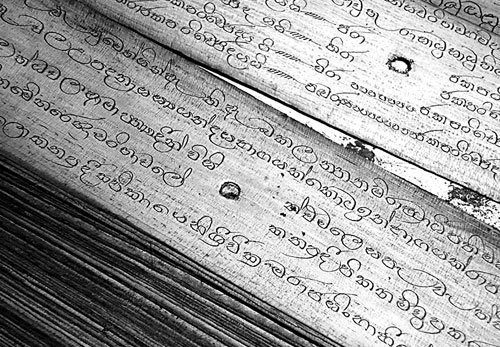
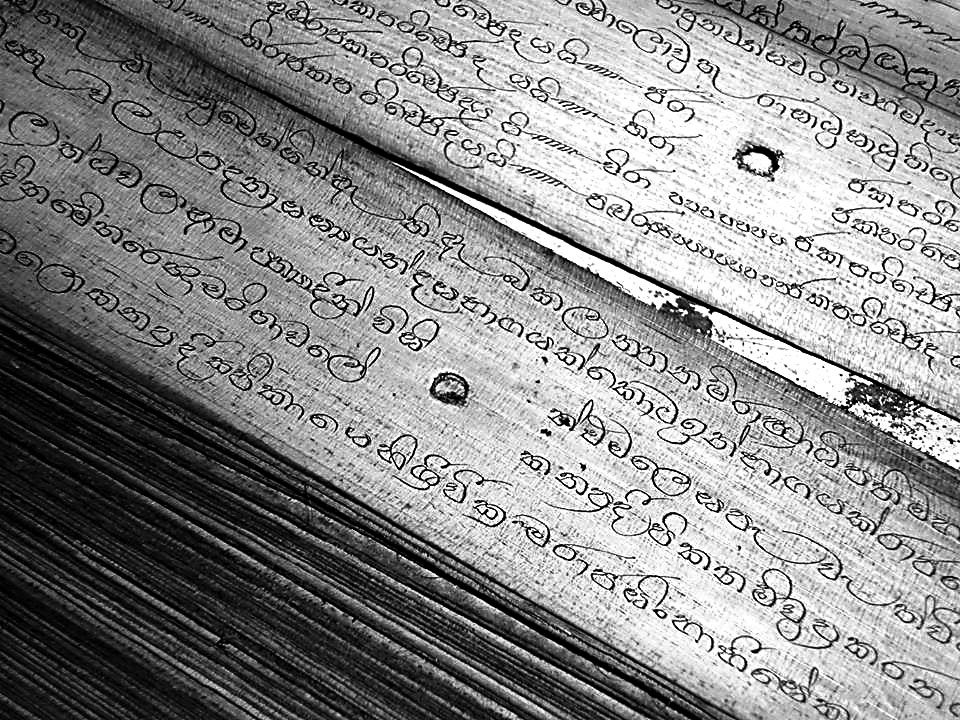
In a small town in the remote southern Salavan Province of Laos in 2006, researchers from the École Française d’Extrême-Orient came across a palm-leaf manuscript composed in verse that had been gathering dust for nearly a century. The only copy of this text was hanging from a nail in the house of the ninety-year-old great granddaughter of the man who composed it. The text, transferred from 786 palm leaves, handwritten on both sides, came to more than 1,500 typed pages in Lao.
It was the largest Lao historical document from any period ever found, a manuscript by someone in a place no one knew existed. The author was Ba Phoi in Kham Thong Luang.
The History of Kham Thong Luang tells the story of forty years of Lao history — 1884-1920, with back references — and is written diary-style, with the content of each leaf ostensibly fresh from Ba Phoi’s mind and pen.
Ba started writing soon after completing his early life as a monk; he stopped writing in his mid-to-late fifties, when he is presumed to have died. Over time, there are contradictions in the text, as his thinking evolved over the consecutive lines.
More from Mekong Review
-

Poetry from Melinda Jane — The Poet Mj
-

Honouring Professor Martin Stuart-Fox
-

Two new crime novels revel in violence
- Tags: Issue 14, Kham Thong Luang, Laos, Robert Cooper, Upahat Ba Phoi