

We, The Survivors
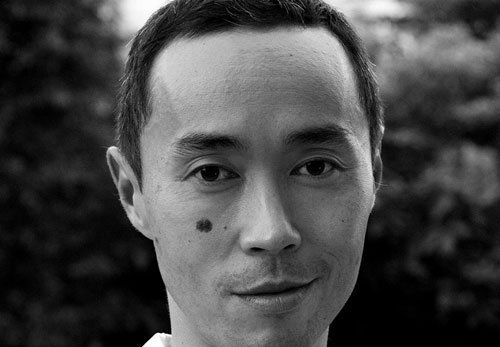
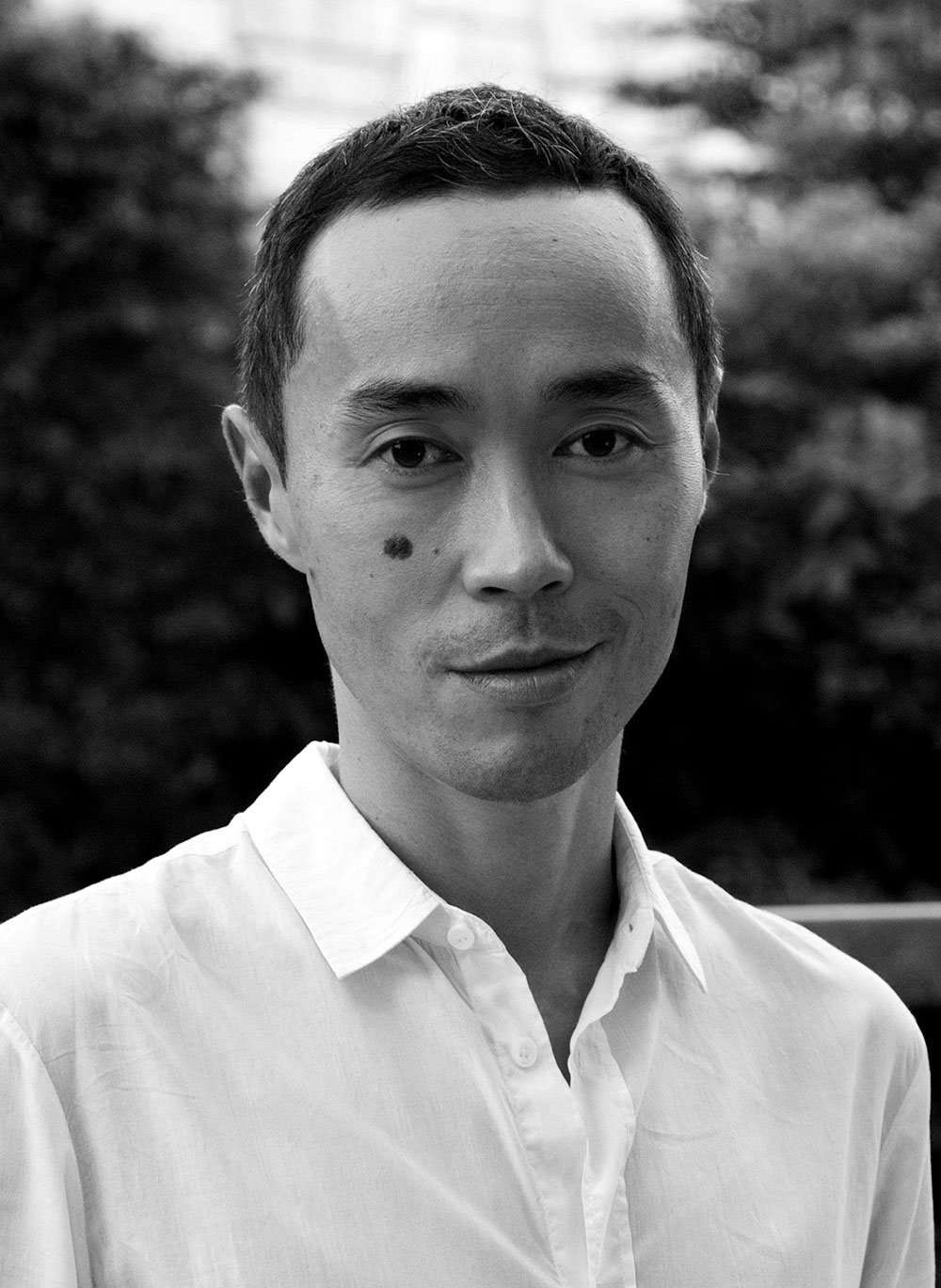
Tash Aw
Fourth Estate: 2019
.
Tash Aw’s fourth novel opens with the arresting image of a colonial shophouse literally consumed by a jungle fig tree, a clear metaphor for a nation devouring itself. The novel tells the life story of Lee Hock Lye, a working class Malaysian Chinese man known casually as Ah Hock. The defining event of Ah Hock’s life: one terrible night on the bank of an unnamed river, he killed a Bangladeshi migrant worker.
Why did he do it? Who is Ah Hock? What forces conspired to produce the moment in which he hefted a tree branch and beat the Bangladeshi man to death? These are the questions his interlocutor — a young graduate student named Tan Su-Min who has chosen him as the subject of her fieldwork — might have, and these are the questions around which this vivid, forceful story spirals.
“In the end it took them more than two months to arrest me,” Ah Hock tells Su-Min right at the start. “When the victim is that sort of person, the police don’t really care. Yes, that kind of person. A foreigner. An illegal. Someone with dark skin.”
We, The Survivors is the first Malaysian novel to take as its primary subject the enormous problem of migrant labour: the extent to which migrant labour keeps the country afloat, the virtual enslavement of migrant workers and the marginalisation of migrant workers in Malaysian society. But Aw eschews what would have been the more obvious angle. This novel is not primarily about the oppression of migrant workers by the affluent and upper classes, but about the complicated relationship — both conflictual and co-dependent — between the migrants in the margins and Malaysia’s own have-nots.
More from Mekong Review
-
My island home
-

A poem by Aiden Heung
-
A poem by Theophilus Kwek
- Tags: Issue 16, Malaysia, Preeta Samarasan, Tash Aw