

Max Havelaar: Or, the Coffee Auctions of the Dutch Trading Company (translated by Ina Rilke and David McKay)
Multatuli
NYRB Classics: 2019
.
I am a coffee broker and live in a canal-side house at No 37 Lauriergracht.” If prompted, many readers in the Low Countries will be able to cite that line, and almost everyone will recognise the Amsterdam address. Speaking here, at the opening of Multatuli’s Max Havelaar, is Batavus Drystubble, a broker who orders his German apprentice to write a book on the coffee auctions of the Dutch Trading Company. Half way through the novel, Drystubble exclaims his surprise at the direction the narrative is taking: “I can’t begin to fathom what Stern means to accomplish with his ink slinging”. For Stern, his apprentice, has instead decided to recount the experiences of Max Havelaar, a gentlemanly, low-level administrator in the Dutch colonial government on the island of Java (and, in his turn, a teller of stories).
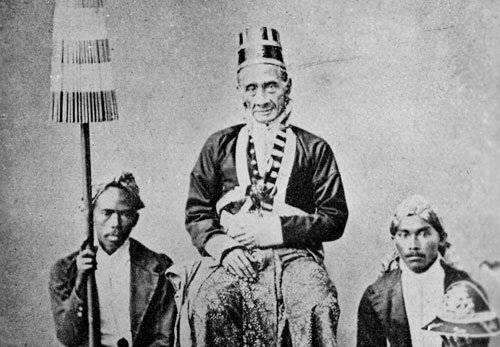
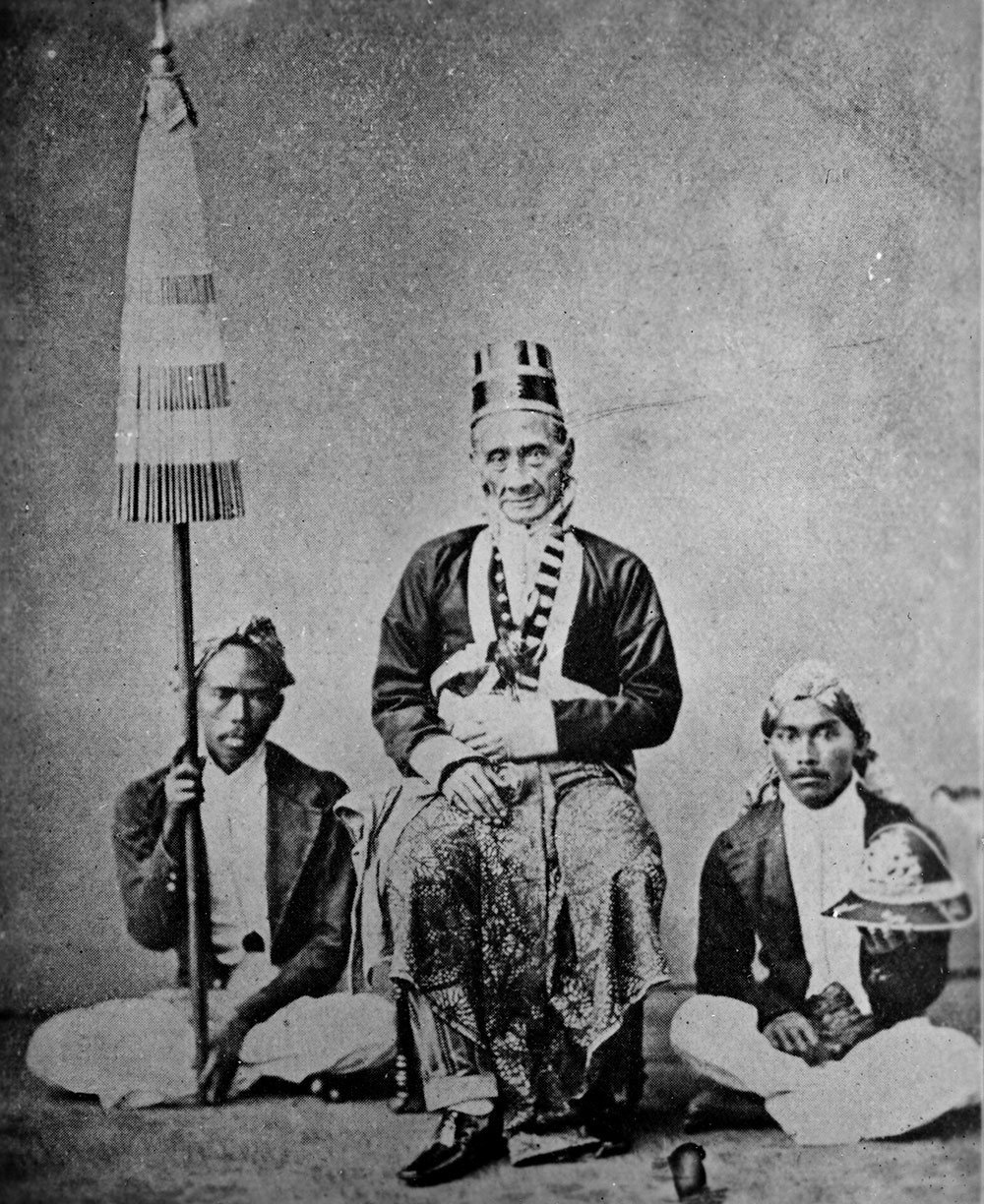
Newly arrived in Lebak and idealistic at first, the eponymous hero rebels against the corrupt local administration of Karta Nata Negara, who is exploiting the system of forced cultivation imposed by the Dutch. Havelaar’s complaints fall on deaf ears. Both local and colonial administrators benefit too much from the system as it is: “the Dutch flag is happily flown … aboard all those ships laden with the harvests that make the Netherlands rich”. He is sent away a broken man. At this point, Multatuli takes over from his narrators to shout at the still clueless reader: “THE JAVANESE ARE MISTREATED!”
Written over the course of just four weeks in 1859, Max Havelaar is today well known but little read. I picked up a copy of the book last September, en route to Singapore and Indonesia by way of Hong Kong, where I had a glimpse into the ongoing revolution. In its margins, I jotted down reflections on how colonial or neocolonial and local governments can be so entangled that it becomes increasingly difficult to tell them apart. Looking at these annotations now, I’m not sure I was writing of Hong Kong or colonial Indonesia.
More from Mekong Review
-

A poem by Rory Harris
-

Eka Kurniawan’s new collection of short stories
-
The creative couple behind design outfit Sukutangan
- Tags: Cedric Van Dijck, Indonesia, Issue 18