

Burma Sahib
Paul Theroux
Hamish Hamilton: 2024
.
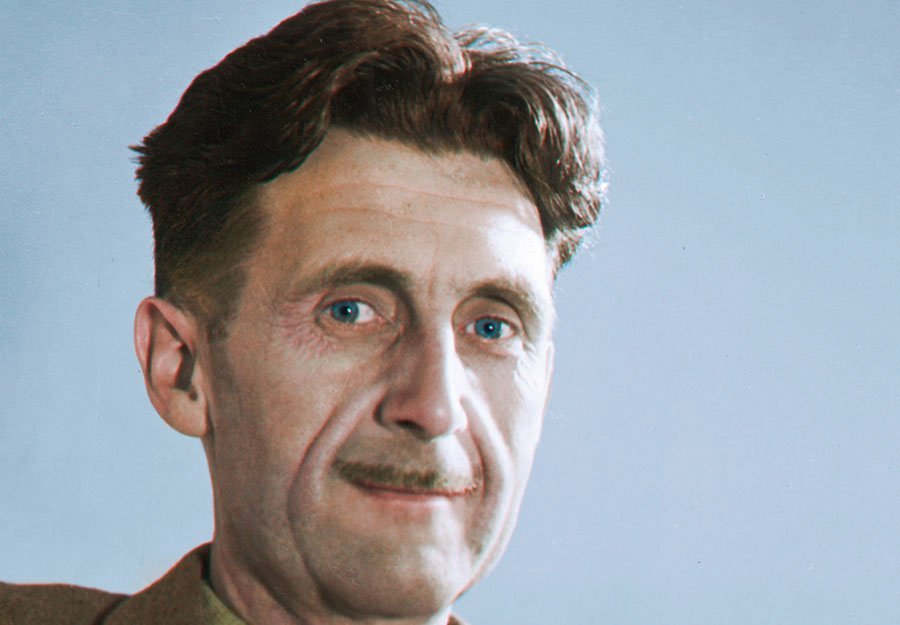
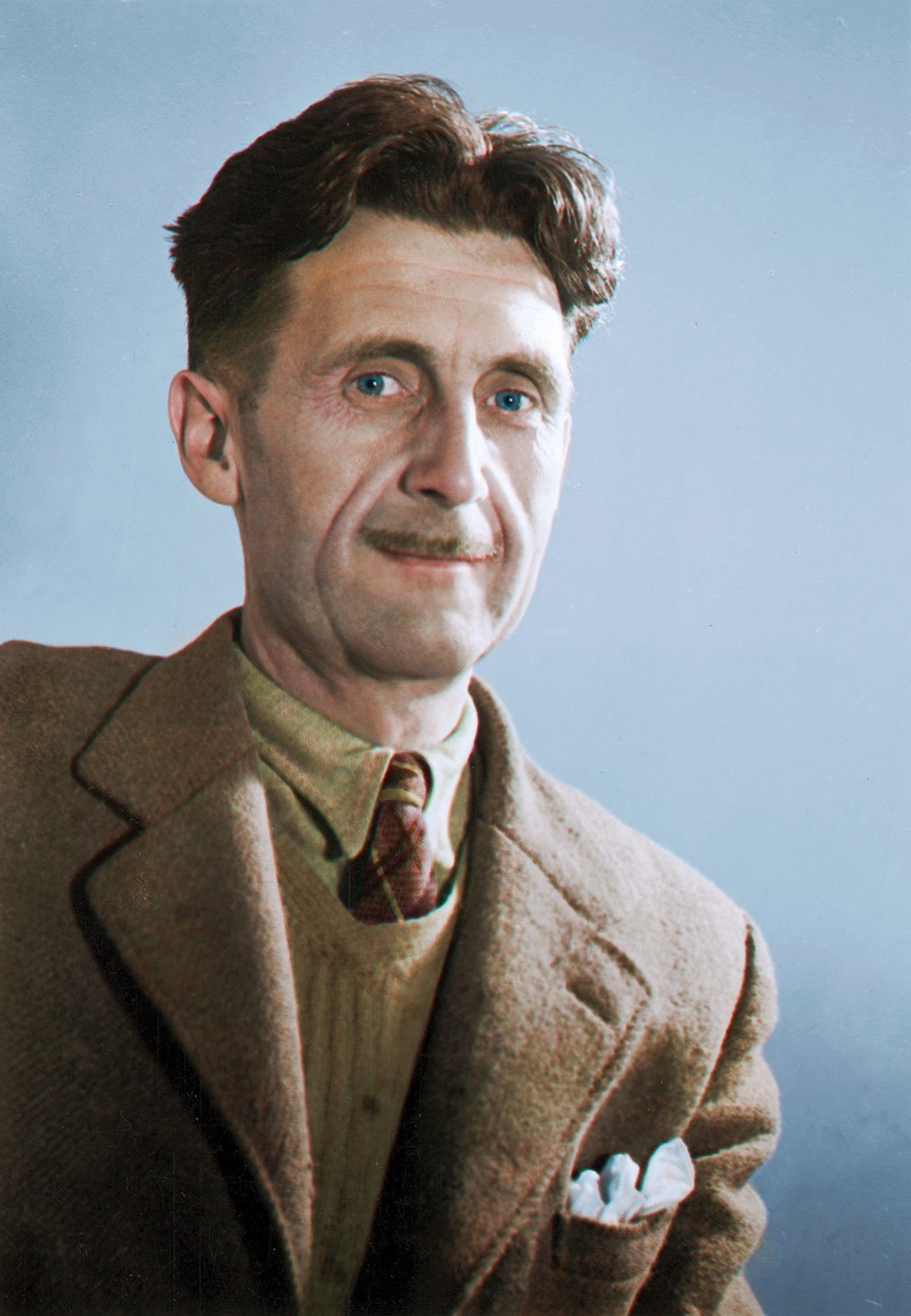
Until very recently I’d never given much thought to George Orwell’s sex life. I’d lived in this blissfully ignorant state for years, content to read the novels and essays that made him famous and leave it at that. That’s not to say I didn’t read books about Orwell. The first must have been Why Orwell Matters by the late Christopher Hitchens. There was Emma Larkin’s groundbreaking Finding George Orwell in Burma, a must-read travelogue for anyone intending to write about the country and its legacies of junta rule. I picked up Adam Hochschild’s Spain in Our Hearts, about the Spanish Civil War, looking for glimpses of Orwell who’d written so movingly about his time there in Homage to Catalonia. More recently, I devoured Rebecca Solnit’s brilliant Orwell’s Roses about his lifelong love of gardening. So when it was announced that Paul Theroux had written a fictionalised account of Orwell’s time as a police officer in Burma, I was intrigued. But intrigue has its limits.
Theroux’s Burma Sahib is a book about awakenings: sexual, political and literary. In one interview, Theroux said he saw fictional possibilities in the nearly five years, from 1922 to 1927, that Orwell spent in the Indian Imperial Police in Burma. The association between Orwell and Burma, and its influence on him as a writer, is well established. It has been said he wrote not one but three books about the country: Burmese Days, 1984 and Animal Farm. That’s not counting the many essays and books where Burma is the setting or is referenced. But, from a historian’s perspective, Orwell isn’t necessarily a reliable narrator of his own experiences. We actually know very little about his time there. There’s no treasure trove of letters, no tell-all diary, no best mate dispensing revealing or embarrassing anecdotes. To many there at the time, he was aloof, a cipher.
More from Mekong Review
-

Using the photographic archive to rethink Myanmar’s past.
-

A poem from Eileen Chong
-
For San Lin Tun, writing about Myanmar in English is a way for Myanmar writers to take control or ownership of the country’s narrative.
- Tags: George Orwell, Issue 37, Joe Freeman, Myanmar, Paul Theroux