

Ghost Lives of the Pendatang: Informality and Cosmopolitan Contaminations in Urban Malaysia
Parthiban Muniandy
Palgrave Macmillan/Strategic Information and Research Development Centre: 2021
.
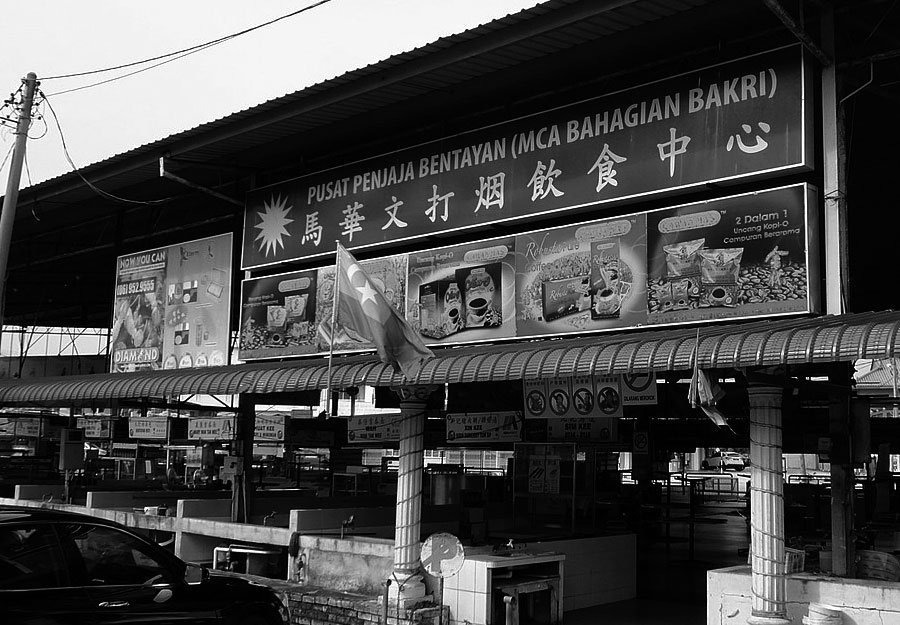
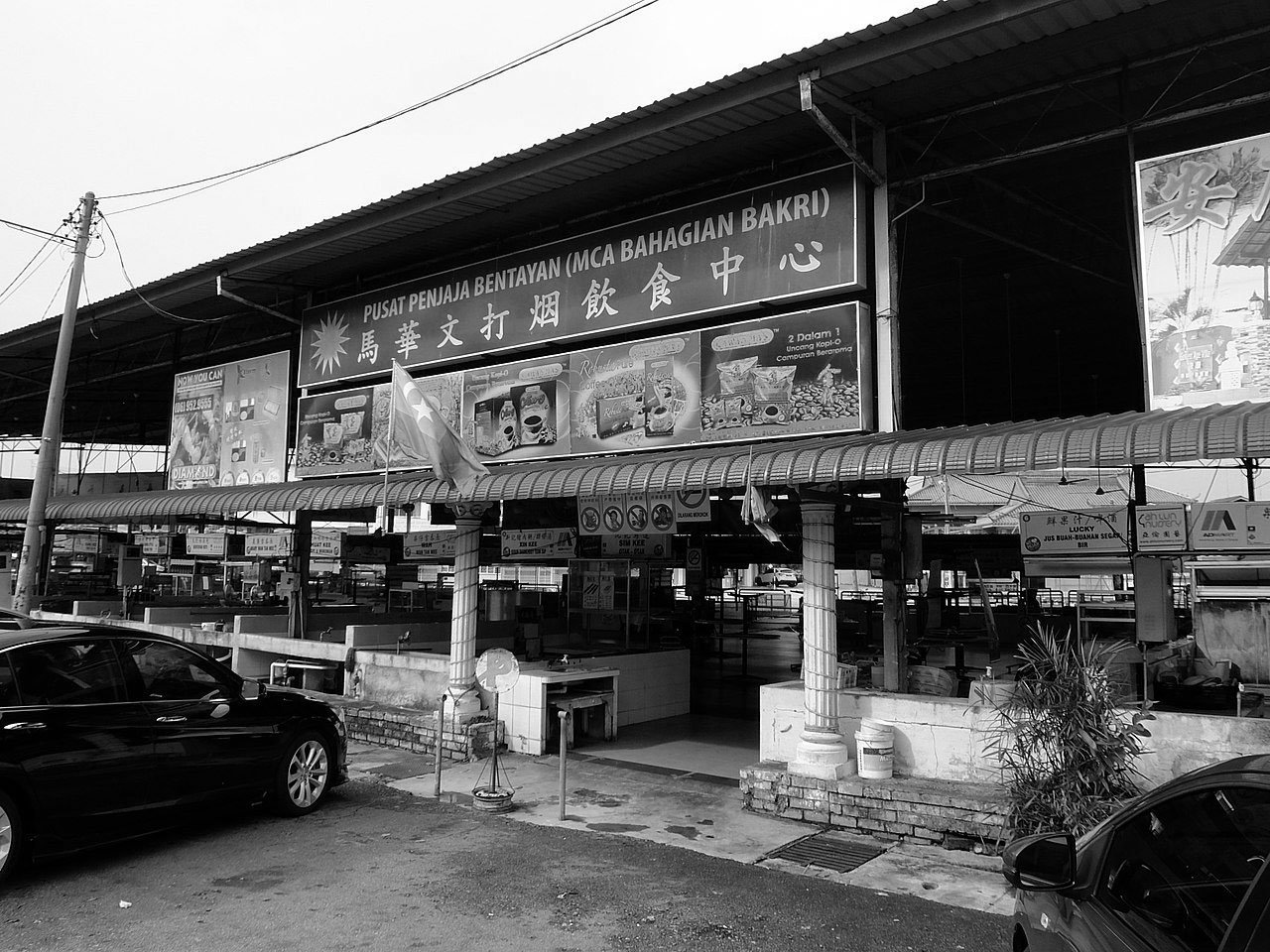
Before the pandemic struck, Red Garden, like any open-air eatery in George Town, was jam-packed with customers. Each night, a workforce from Bangladesh, Nepal, India, Indonesia, Myanmar, Vietnam, China and the Philippines would cook for and serve the locals, mostly Chinese Malaysians, because they didn’t mind that few dishes were halal.
It was here that a friend introduced me to Hasan, who was working at the food court. Hailing from a village near Comilla, Bangladesh, twenty-something Hasan wanted to enlarge his circle of friends outside pendatang (Malay for ‘those who have arrived’, or immigrants). Hasan and I were two parts of a similar whole: foreigners in Malaysia. I was the Italian gwei lo, or ‘foreign devil’ in Cantonese slang, and he was a migrant worker from Bangladesh, flipping fish and sizzling vegetables in a food court. Our friendship lasted until Hasan’s work permit, after two years in Penang, was not renewed and he had to go home.
More from Mekong Review
-

Four poems by Dipika Mukherjee
-
A towel for all times
-

The pandemic has widened the gap between Malaysia and Singapore