

Our Freedoms: Essays and Stories from India’s Best Writers
Nilanjana S. Roy (Editor)
Juggernaut: 2021
.
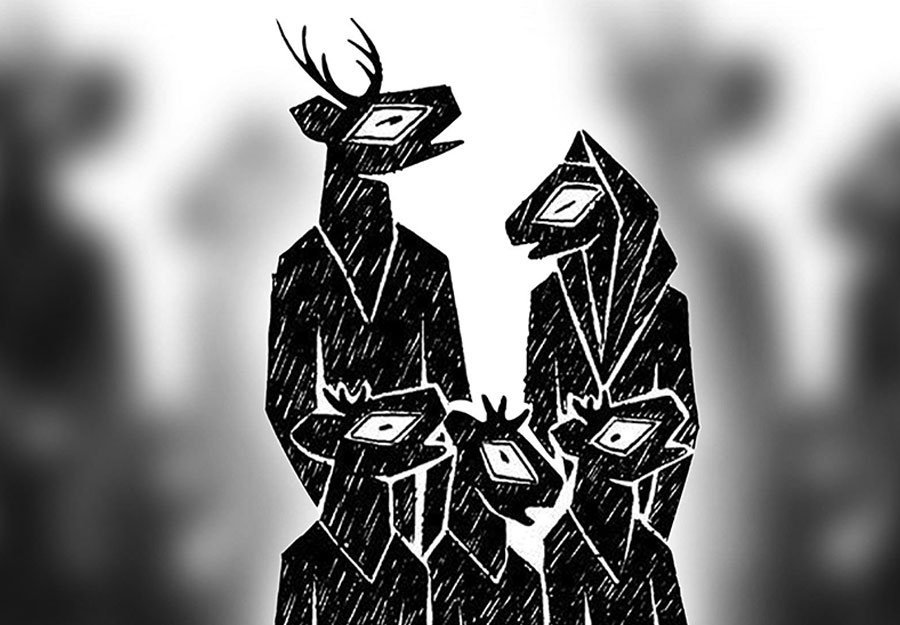
Munnu: A Boy from Kashmir
Malik Sajad
Fourth Estate: 2015
.
In her foreword to Our Freedoms, Nilanjana S. Roy traces the percolation of the word azadi (freedom) in modern Indian political culture to a Noor Jehan song in the 1946 Bollywood film Humjoli. The chant galloped to the roilings of independence the following year, rebounded during the feminist movement of the eighties, and erupted once more in the winter of 2019 as a cry of affirmation in nationwide protests against racist amendments to India’s citizenship laws.Fourth Estate: 2015
But freedom in India can be messy, like our traffic and our curries. In August 1947, the euphoria of independence came glued with the trauma of partition. The departing British left us azadi, but if they smelt the stench of corpses in the communal riots and mass displacements in its wake, they kept it to themselves. A lawyer called Cyril Radcliffe who’d never been east of Paris was charged with cleaving an ancient land in two, sketching a line through the state of Punjab and wrenching families and neighbours apart. ‘In seven weeks it was done,’ W. H. Auden wrote, ‘the frontiers decided/ A continent for better or worse divided’.
More from Mekong Review
-

Snacking in Calcutta
-

The taste of home
-

Poetry by Ghojimuhemmed Muhemmed
- Tags: India, Issue 24, Malik Sajad, Nilanjana S. Roy, Sudipto Sanyal