

State of Emergency
Jeremy Tiang
Epigram Books: 2017
.
Unrest
Yeng Pway Ngon (translated byJeremy Tiang)
Balestier Press: 2017
.
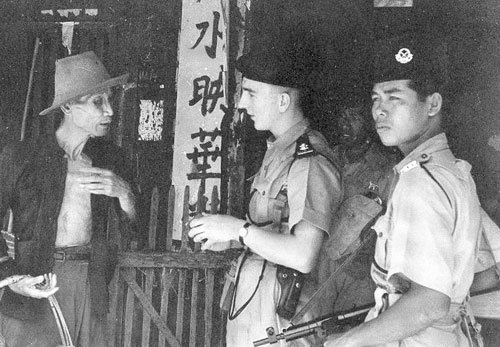
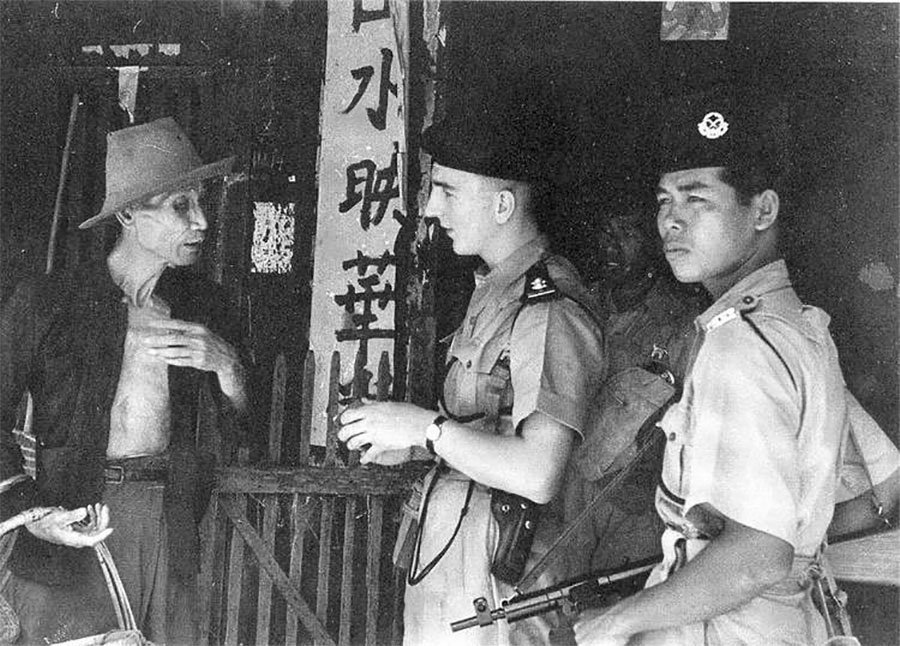
How is the Malayan Emergency remembered? Jeremy Tiang’s State of Emergency and Yeng Pway Ngon’s Unrest — the latter originally written in Chinese and translated by Tiang — offer distinctive takes on the afterlife of that bitter conflict. In doing so, they diverge from established accounts of British victory and communist defeat. Largely set after the Emergency in locations as varied as Singapore in the 1960s to 1980s (State of Emergency) and Hong Kong and Guangzhou in the 1980s (Unrest), the novels complicate conventional narratives by spotlighting the lives of those who suffered “security measures” — detention, deportation and forced resettlement — for being suspected of aiding the communists.
The historical sweep of both books connects later political repression in Singapore and China’s Cultural Revolution to this Emergency condition, as a kind of original sin played out in the Malayan jungle. Steering clear of leftist polemic, they ask us to consider the circumstances and motivations of those who bought into the anticolonial idealism. In State of Emergency this motif is empathetic, while in Unrest it takes a cynical turn. The disparities in approach reflect differences in the historical worldview of the two novels. State of Emergency’s impetus is to recollect this history, thereby supplementing the authoritative Singaporean narrative of nationhood. Quoting Walter Benjamin in its epigraph (“The tradition of the oppressed teaches us that the ‘state of emergency’ in which we live is not the exception but the rule”), Tiang suggests a pervasive amnesia about the political past that has shaped Singapore’s modernity.
More from Mekong Review
-

Poetry from Clarity Lim
-

A poem from Hon-Wai Wong
-
Poetry from Richard Milazzo