

Peter Martin
China’s Civilian Army: The Making of Wolf Warrior Diplomacy
Oxford University Press: 2021
.
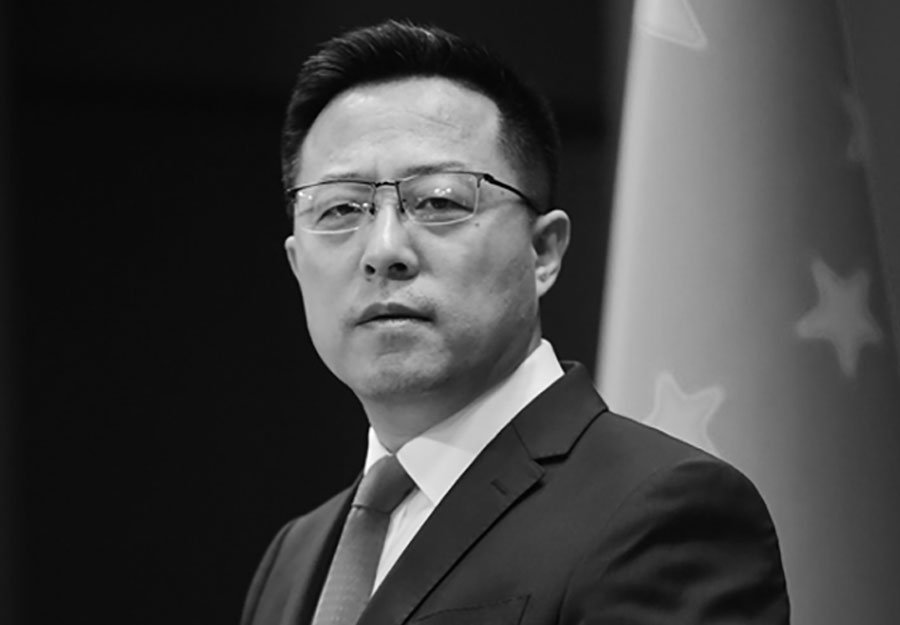
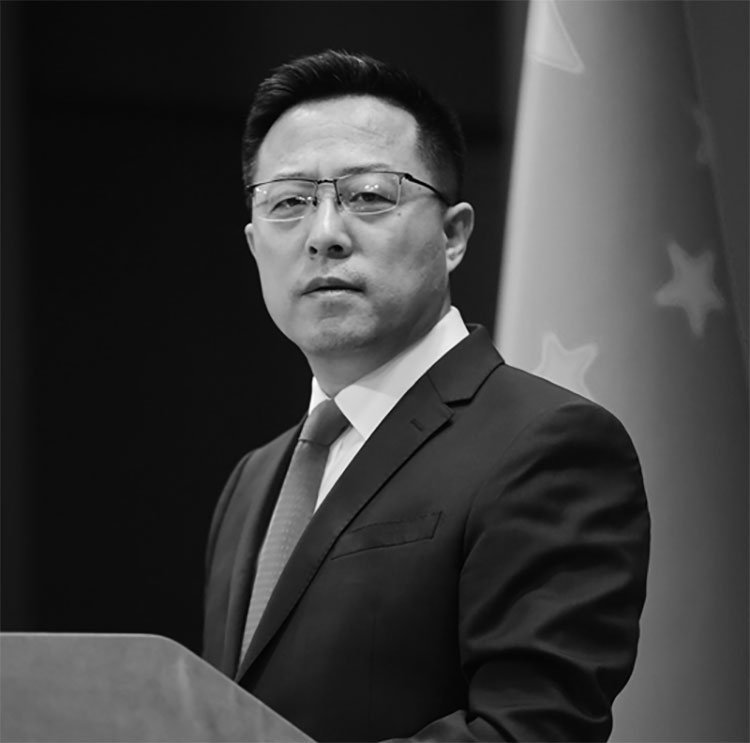
In 2010, Zhao Lijian, a first secretary at the Chinese embassy in Washington, created an account on Twitter. In 2019, Zhao, who had by then been posted to Islamabad—another coalface of Chinese diplomacy—got into a Twitter slagging match with Susan Rice, the former US national security adviser. A month later, Zhao was recalled to Beijing, not as punishment for his remarks about the relative racial composition and safety of certain Washington neighbourhoods, but to receive a promotion as one of the Foreign Ministry’s spokespersons.
Zhao is the poster boy for what is now known as ‘wolf warrior diplomacy’. It is not an easy thing to describe, but tweeting out rude things to foreign officials is representative enough of its spirit. In other words, it is less about a specific agenda—beyond the generalised defence of China’s interests—than an over-the-top assertive style. Insults, threats and the occasional fist fight all form part of it. Wolf warrior diplomacy hasn’t earned China many friends abroad, but has gone some way in bolstering the domestic reputation of Chinese diplomats, long accused of being weaklings by nationalists at home.
More from Mekong Review
-

2 poems from Anthony Tao
-

The legend of the Chinese typewriter
-

Poetry by Ghojimuhemmed Muhemmed
- Tags: China, Issue 27, Peter Martin, Yuan Yi Zhu