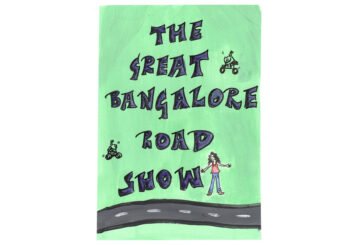
The Great Bangalore Road Show
C.S. Bhagya
A short comic by C.S. Bhagya on the lived realities of daily commuting in Bangalore.


A short comic by C.S. Bhagya on the lived realities of daily commuting in Bangalore.
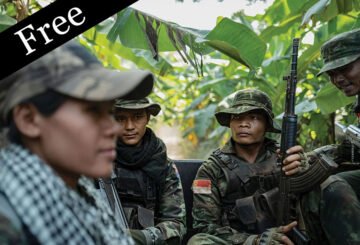
The Myanmar military hopes that an election will give their rule a veneer of legitimacy, but a vote largely rejected by the people as a sham will hardly soothe tensions.
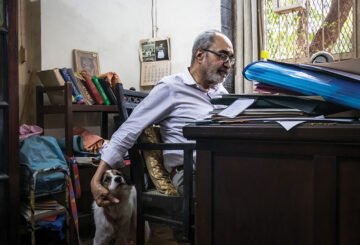
Despite its closure, Parsiana remains an archive of cultural memory, journalistic courage, and collective identity, ensuring that future generations will not be left with a historical void.
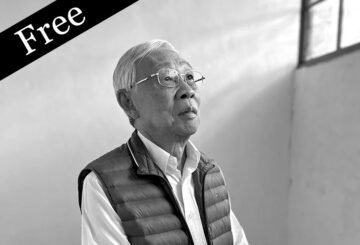
Fred Chin’s story is as much as a firsthand account of a dark time in Taiwanese history as it is a cautionary tale of the cruelty of unchecked authoritarian power.

The story of Philippine music post-Marcos is not one of political liberation but of a transition from the chains of censorship to the cushioned shackles of commercialism.
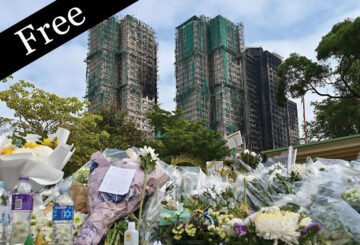
Hongkongers’ defence of bamboo scaffolding in the aftermath of the Tai Po fire wasn’t just about a material; it became part of efforts to defend the things that make the city what it is.
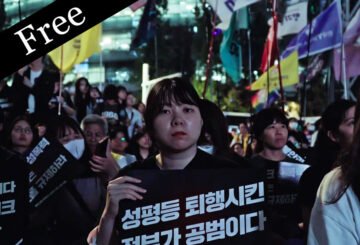
By making Kintsugi, Lim Ji-soo found a way to tell her story of surviving sexual assault.
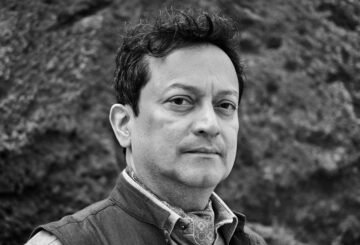
Ranjit Hoskote’s practice is one of art world curation, poetry, translation, and cultural theorising.
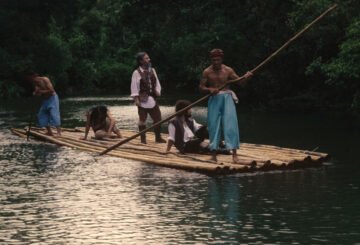
Ferdinand Magellan was a famous explorer, but Diaz makes it clear that his film isn’t some graceful portrait of the man.
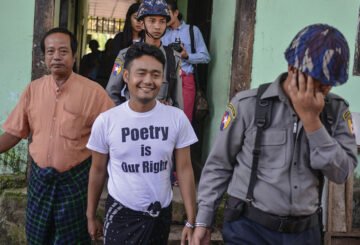
There’s poignancy in the idea of artistic ambition sacrificed for something as fundamental as war. And Myanmar embroiled in civil war, it’s perhaps only natural that poets, like many of their countrymen, have taken up arms.
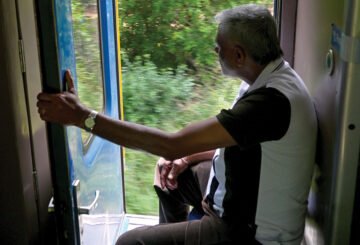
Sri Lanka’s railways aren’t just conveyances with spectacular views; they’re also an integral part of the country’s story.
A short story by Ruhaini Matdarin, translated from Malay by Pauline Fan.
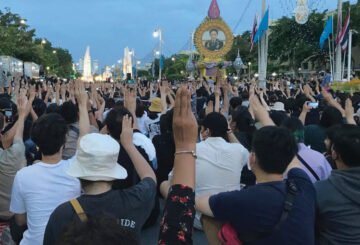
We don’t know how history will remember or talk about the Milk Tea Alliance. But it isn’t the only recent manifestation of transnational solidarity with the youth at its core.
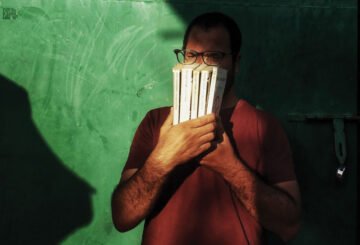
Kashmir has lived many seasons of erasure: newspapers censored, cable channels muted, voices disappearing overnight. But books linger in the physical world longer than speeches or tweets.
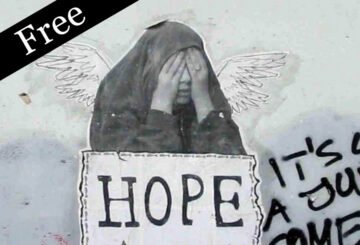
Reflections on hope.
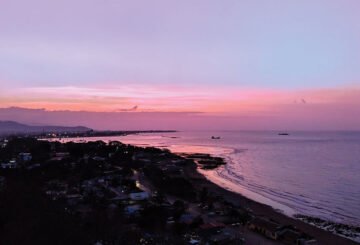
A trip across Timor-Leste turns into a lesson on its history, its people, and its hope for the future.

In Aceh, hip-hop is more than just a genre; it’s also an opportunity to express pride in one’s homeland and pay homage to tradition.
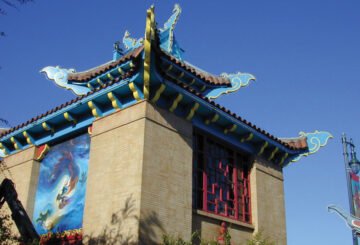
Tyrus Wong’s extraordinary 106 years on earth, told in meticulous detail by Karen Fang, is a story of resilience and triumph.
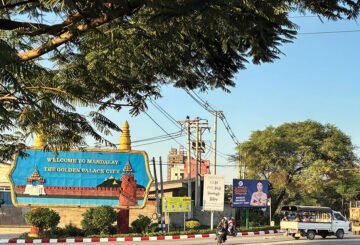
“The mountains are high and the emperor far away.” Reckonings from a borderland—on walls, my friend J, and choosing a life in diaspora.
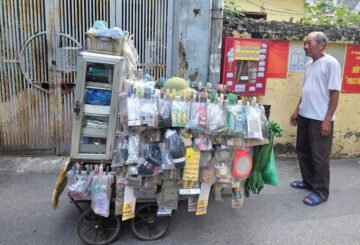
Street cries in Vietnam are more than simple calls of commerce; they form an urban soundscape—a way of sensing time, place, and season.
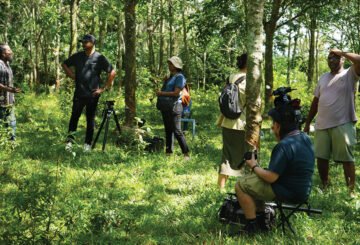
The documentary Araro Ariraro traces the history of Tamil plantation labour in Malaysia through folk songs.

A short story by Ratu Yousei.
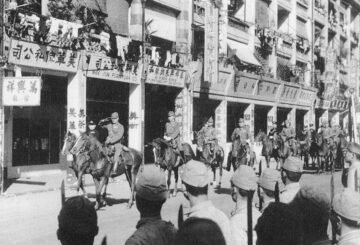
With When Sleeping Women Wake, Emma Pei Yin takes her place in a long-running and constantly evolving tradition of Chinese female-centred historical fiction.
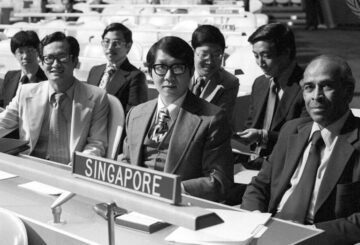
An idealistic and highly personal approach to foreign policy is what sets Tommy Koh apart from many of his fellow luminaries in Singapore’s diplomatic sphere.

A poem from Rianka Mohan

A reflection from Mekong Review’s Editor-in-Chief on the occasion of our tenth anniversary issue.

Cybercrime is a big business, and some of its leading perpetrators are playing a cat-and-mouse game with the authorities in Southeast Asia.

Indonesians were already furious at their government, seen as out-of-touch at a time of economic hardship. After an armoured police vehicle ran over a young delivery rider, they became unstoppable.

Meeting with Pol Pot adds to Rithy Panh’s resume as the most prolific maker of films about the regime that took his family and terrorised his country.

Returning to politics, Leila de Lima says, is the only choice if she wants to keep fighting for justice, the rule of law, and truth.

By writing poetry from death row, Pannir Selvam Pranthaman sets out to prove that he’s more than just a condemned prisoner.
A poem by Pannir Selvam Pranthaman.
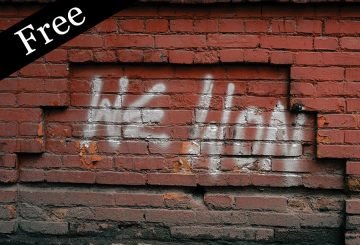
Every decade or so, Nepal endures upheaval, then dusts itself off—a cycle of destruction and reconstruction. But, maybe this time, the cycle will finally be broken.

Hakamata Iwao is believed to have been the world’s longest-serving death row prisoner. For more than half a century, his sister Hideko has never given up on him.

Hope doesn’t always come in grand gestures. Hope, I have come to believe, is less about optimism and more about practice.

As discussions of a so-called nuclear power renaissance resurface, Return to Fukushima pushes us to (re)consider not only the ways we live but also the exploitative systems through which energy is produced and consumed.
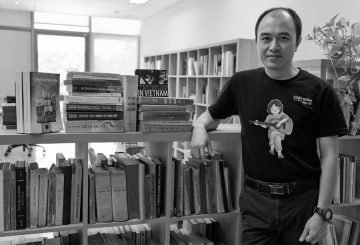
In a nondescript office on a university campus in Taipei, Trịnh Hữu Long maintains one of the world’s most extensive collections of Vietnamese banned books.
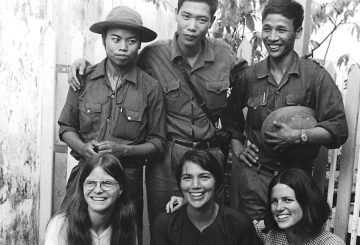
Claudia Krich’s Those Who Stayed: A Vietnam Diary is an invaluable primary source for those studying regime change, documenting firsthand the disintegration of the South Vietnamese government and the coalescence of a byzantine military administration in its wake.

A short story by Justina Lim.

The conceit of Chris Horton’s Ghost Nation is that most of the world treats Taiwan like it doesn’t exist, and he makes the case that Taiwan deserves bolder recognition.