

Rosalie and Other Love Songs
Saidah Rastam
SIRD: 2017
.
Saidah Rastam’s meticulously researched cultural history of Malayan music and musicians, Rosalie and Other Love Songs, was originally published in 2014 in a small, private print run by Khazanah Nasional Berhad, the investment fund of the Malaysian government, which also funded its research. Such top-down initiatives often produce gorgeous volumes that tick boxes in terms of cultural recuperation or nationalist ambition and then disappear. But, luckily for us, Saidah’s work has been republished as a handsome book that is as much a groundbreaking ethno-musicological resource as it is an engrossing, often moving and as often heartbreaking story of the mostly forgotten music men and women of Malaya’s early years.
Saidah’s book is also a history of a fantasy Malaya (unimaginable in the realities of contemporary Malaysia) that we may look upon with nostalgic yearning, as indeed Saidah does: a place and time in which intensely productive cross-cultural collaboration, re-invention and appreciation prevailed over state boundaries and the identity politics and racial chauvinism that now characterise any efforts at national representation. It is a story of heady artistic endeavour and also erasure.
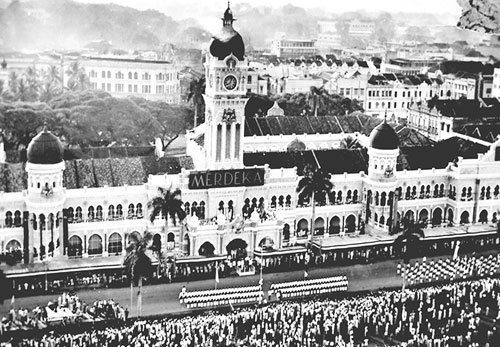
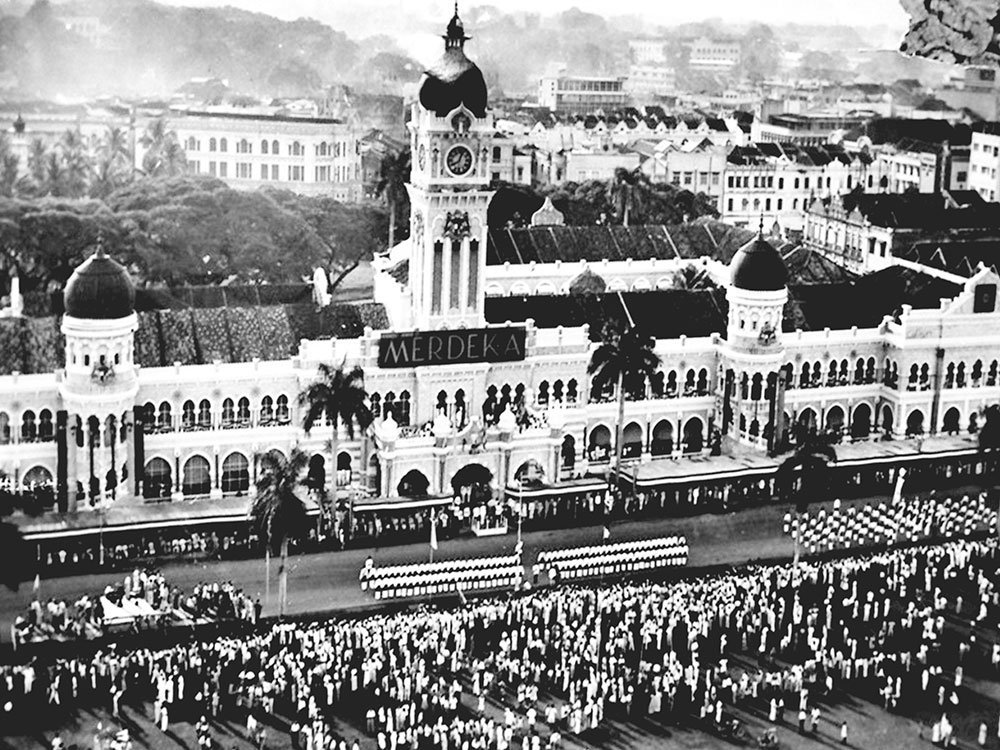
Saidah is a composer whose affinity with her topic is infectious. Rosalie takes us from the turn of the twentieth century to Malaya’s post-merdeka (independence) years, tracing a story that is as beguiling as the melody of the song “Ma Rosalie” (also known in its keroncong or pop-yeah-yeah versions as “Terang Boelan”). This song purportedly travelled from the pen of a chansonnier in France to the court of an exiled sultan in the Seychelles, then on to stately pomp in London and Perak, as well as the popular bangsawan music-hall stages of Singapore and the East Indies, before eventually becoming the national anthem of Malaya in 1957.
Around this story, Saidah weaves a rich tapestry of Malayan music from the early years of Tok Pusi’s bangsawan coup in Penang (built upon his ingenious wholesale purchase of props and musical instruments from a wildly popular visiting Parsi troupe), to the cabarets and ronggeng stages of the amusement worlds where joget moden was invented by Hamzah Dolmat and Ahmad C.B.; from the multi-talented P. Ramlee’s “voracious borrowings from many cultures and musical styles” in the golden age of Malayan cinema to the drama of choosing a national anthem at the eleventh hour before independence, after a two-year search. And what an edge-of-the-seat drama it is as told by Saidah, with the aid of photos, news articles and letters from concerned citizens as well as irate, rejected composers like Benjamin Britten.
More from Mekong Review
-

Anger, love and alienation permeate K.S. Maniam’s short stories
-

A poem from Hon-Wai Wong
-

A poem by Theophilus Kwek
- Tags: Beth Yahp, Issue 11, Malaysia, Saidah Rastam