

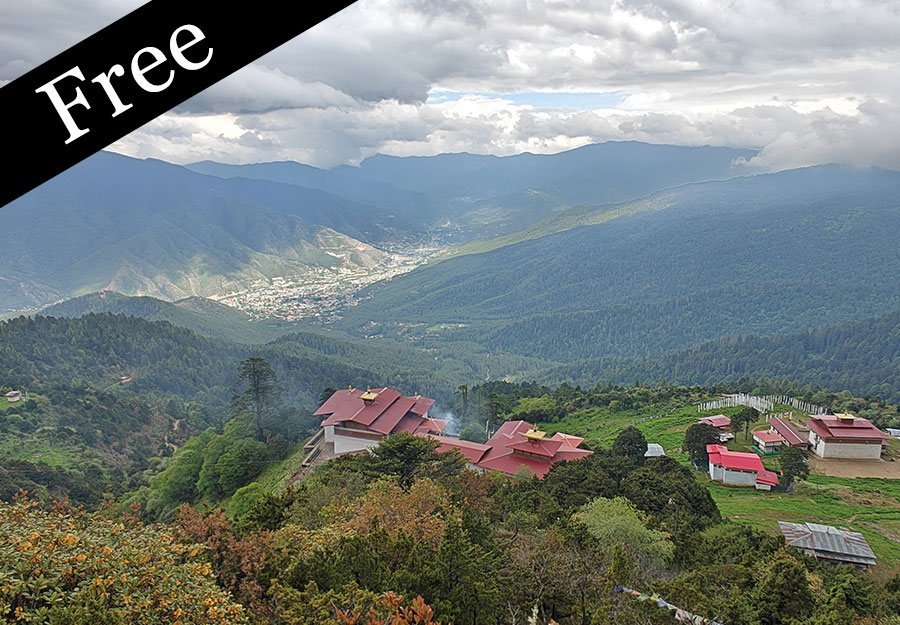

In Bhutan, mornings begin with the sound of roosters echoing through the valleys and prayer flags trembling in the mountain breeze. I light a butter lamp and watch its small flame fight the chill. For many, this may feel ordinary, even unremarkable, but for me it’s a daily reminder that hope doesn’t always come in grand gestures. Often, it resides in the fragile light that survives the dark.
As a documentary filmmaker, I’ve carried my camera into remote mountains, dense forests, and busy town squares. What I’ve learnt is this: the lens reveals hope most clearly not in speeches or ceremonies, but in the quiet persistence of people going about their everyday lives.
On a filming trip to Mongar, I once stood with a farmer named Pema as she dropped maize seeds into dry, cracked soil. The monsoon had faltered that year, and her terrace looked weary. Yet she bent down again and again, as if each seed was a prayer. When I asked if she thought the rains would come, she smiled and said, “If we do not plant, what will there be to grow?”

That moment stayed with me. In the face of uncertainty, her act of planting was not a sign of denial—it was a sign of courage. I’ve seen the same spirit in farmers in Dagana and Trongsa, still tending their fields despite floods and landslides. To sow a seed—be it maize or rice—is to declare faith in tomorrow. That is hope embodied.
In the towns, I’ve filmed elderly men and women walking their daily kora around a stupa. Their steps are slow, beads passing steadily through their fingers. This may seem routine, but I’ve come to see it differently. Each turn is an act of continuity; proof that faith endures, that life keeps flowing.
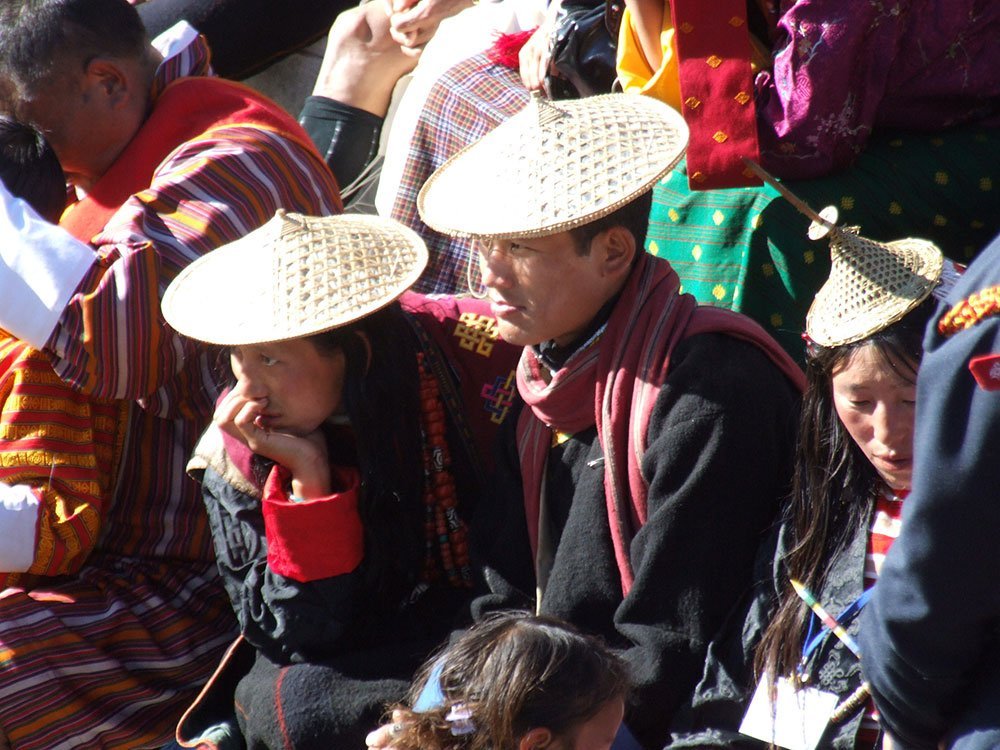
An old man once told me, “As long as I can walk, I will circle. If I stop, my heart will stop, too.” It reminded me that hope is not always about changing the world. Sometimes it is about staying true to a rhythm that keeps us alive.
Hope can be found in the smallest exchanges. A child at a rural school offering half of her boiled egg to a classmate who forgot his lunch. Neighbours in Dagana laughing as they build a check dam together, mud smeared across their clothes. Or monks at Lam Pelri Park carefully planting saplings on land scarred by landslides, their saffron robes bright against the brown earth.

These gestures don’t make headlines, but they echo louder than statistics. In my work documenting soil management, protected cultivation, and the challenges of climate change, I often confront despair—shrinking fields, failing crops, climate impacts that feel insurmountable. Yet every story circles back to small acts of care: a woman protecting her garden with a handmade fence, a village reusing old pipes to share water fairly, a community deciding to plant again after loss. These are the flickers that keep the darkness from consuming us.
For me, even the act of holding a camera has become an act of hope. Every frame whispers: this moment matters, this life is worth remembering.
Once, while filming musk deer conservation efforts in Sephu, my camera lens fogged up from the cold. I considered stopping for the day, but then I noticed a ranger quietly adjusting a camera trap with his bare hands in the snow. He told me, “We do this not because it will save the world today, but because one day, someone will care.” This is why I keep filming: stories, once told, ripple far beyond us.

Not all hope comes from the field. Sometimes, it is closer, quieter. Every morning, a bird comes near my house. Over time, it no longer flies away when I approach. I like to think it has learnt to trust me. That trust—fragile, wordless—is its own form of hope.
My daughters’ laughter, my wife’s staunch support, the resilience of family—these are my daily reminders that hope is not an abstract philosophy. It lives in the bonds we nurture and the love that steadies us when the wider world feels heavy.
Hope, I have come to believe, is less about optimism and more about practice. It is planting even when the rains may fail. It is walking the same circle each day around a stupa. It is choosing to record, to share, to create, even when despair feels easier.

The world today is full of reasons to give up. Yet in Bhutan—in the villages, the forests, the homes—I continue to see people who embody a quiet, unshakeable hope. They remind me that hope is not about avoiding hardship, but about meeting it with persistence and care.
And so, with each story I tell through my camera, I try to return some of that hope to the world—frame by frame, gesture by gesture, like a butter lamp burning in the morning wind.

More from Mekong Review
-

A poem by Pannir Selvam Pranthaman.
-

A reflection from Mekong Review’s Editor-in-Chief on the occasion of our tenth anniversary issue.
-
Every decade or so, Nepal endures upheaval, then dusts itself off—a cycle of destruction and reconstruction. But, maybe this time, the cycle will finally be broken.
- Tags: Bhutan, Issue 41, RMIT, Tshechu Dorji Wong
