


I had visited Taiwan twice before, once on a Korean bus tour with my mom and a second time with my partner as a rendezvous point between Malaysia and the United States.
Daily life in Taipei is gentler, if sweatier, than in New York City. In my home country, I avoided movie theatres, restaurants and subways for fear of Covid-19, or another gunman, or another man who decides to attack East Asian-looking women. With my face, I blend in in Taipei.
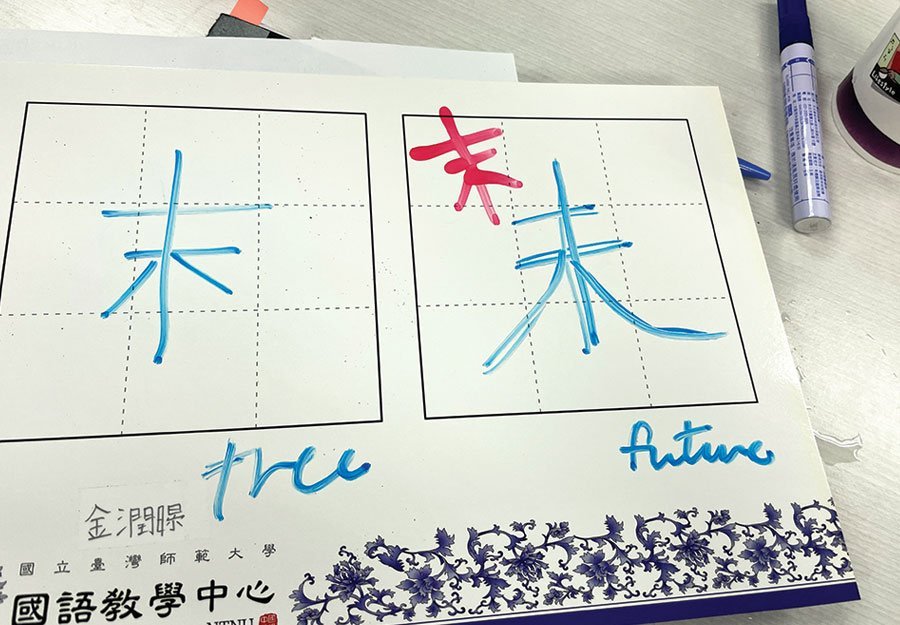
Along with 1,200 other students, 900 of whom are international, I enrolled at the Mandarin Training Center at National Taiwan Normal University in late August. This fall term there are ten of us in the beginner Mandarin class, and we are almost all Asian.
0 FOREIGNER
I walk to the grocery on a Sunday night, examining the shadows for a sluggish motion of glinting bronze—hungry cockroaches that appear after all the city’s restaurants close. I anticipate the cashier’s inevitable string of questions. Rehearse the explanation in my head: 我是外國人, wo shi waiguoren. 我是韓國人, wo shi hanguoren. Do you have membership? the cashiers always ask. No, I shake my head, meiyou.
Taiwanese people are friendly, and they are friendly to foreigners especially when compared with mainlanders, I am told again and again. But if you look Taiwanese, then you are simply treated like a local. This time the clerk asks a third, mysterious question. I shake my head. Curiosity or impatience floats across the clerk’s brow.
More from Mekong Review
-

Ducky Tse was an established photographer in Hong Kong when, at the age of fifty, he decided to uproot and relocate to Taiwan. He bought a van and refurbished it, driving it around the country. Through his photographs, he reflects on a new chapter of his life.
-
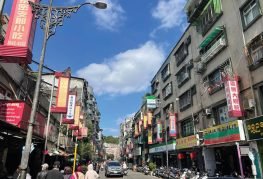
The neighbourhood around Huaxin Street in Taipei is known as Little Burma. Multiple generations have sunk their roots into this neighbourhood. It’s not a question of assimilation, but a mix of everything to create a new and complex political identity.
-

A poem in commemoration of Bleak House Books, an independent bookshop in Hong Kong, which ceased operations in October 2021. The store is set to reopen in upstate New York in the spring of 2023.
- Tags: Esther Kim, Issue 30, Taiwan