

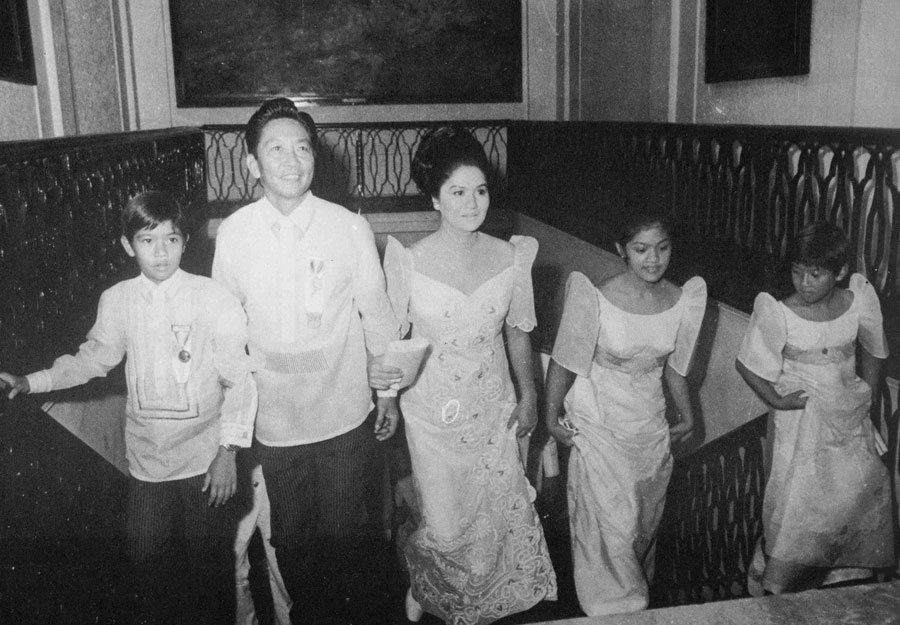
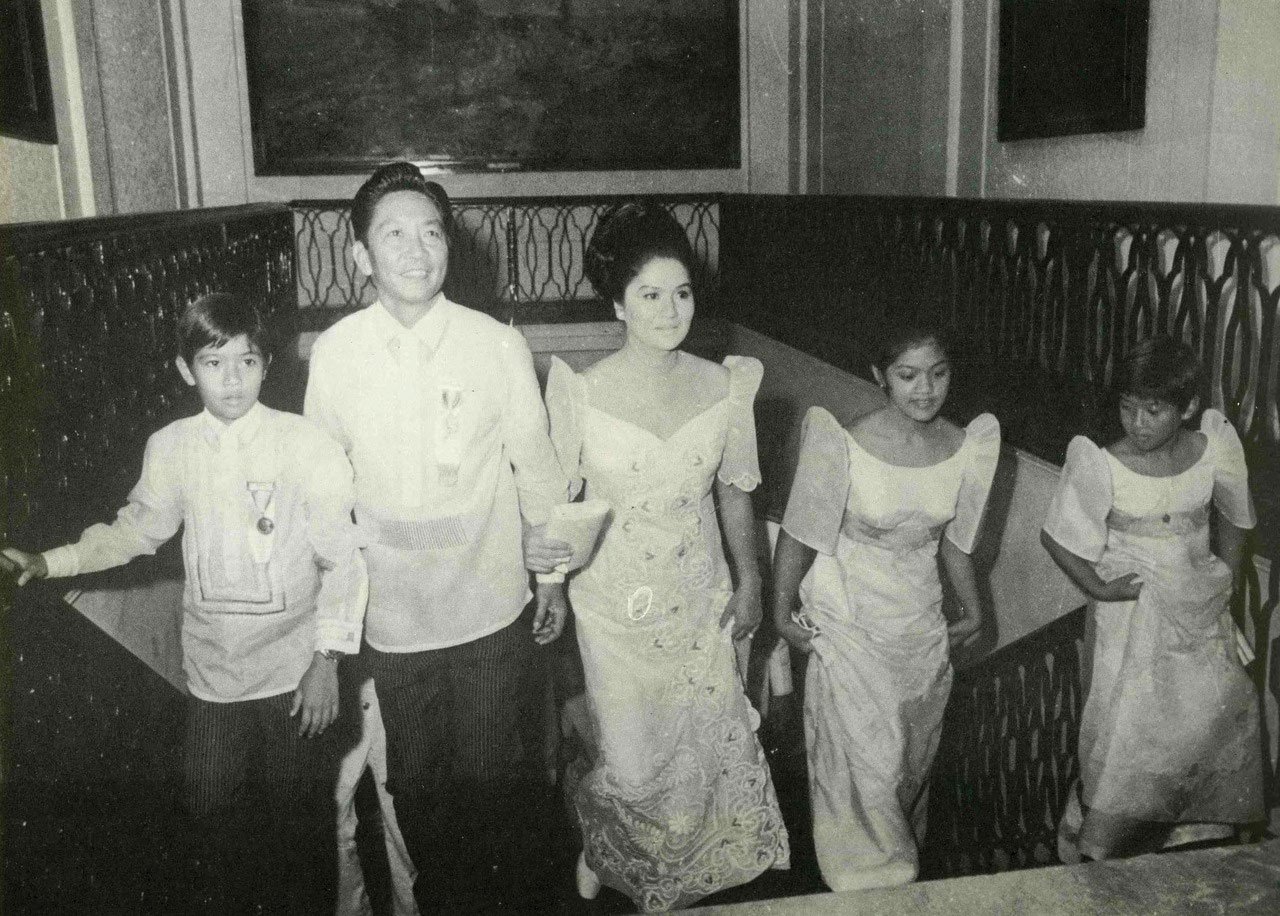
On election day in May this year, I know who my grandmother will be voting for. She considers herself a ‘Loyalist’, belonging to a group of Filipinos who defend the legacies of the Marcoses. When the disgraced family was forcibly kicked out of Malacañang in February 1986, my grandmother was among those who rushed to the palace to grieve their loss. They were met by jubilant pro-democracy protesters, and, as she recalled, had no other recourse but to weep.
My grandmother and her fellow Loyalists almost made Ferdinand Marcos Jr, the youngest child of the patriarch-dictator, the country’s vice-president in 2016. This time around, convinced that Marcos Jr was cheated in the VP race, they are re-energised to make him president. Bongbong, as he is widely known, was polling as the most preferred presidential candidate, with more than a majority of those surveyed supporting his candidacy—a difficult feat in a multiparty setting. None of the five presidents elected in the post-authoritarian period got a majority vote. But if the polling trends hold, another Marcos will be elected president, thirty-six years after his father won the 1965 elections with 52 per cent of the votes.
More from Mekong Review
-

Poetry from Lawdenmarc Decamora
-

Poetry by Alton Melvar M. Dapanas
-

Snacking in Calcutta