

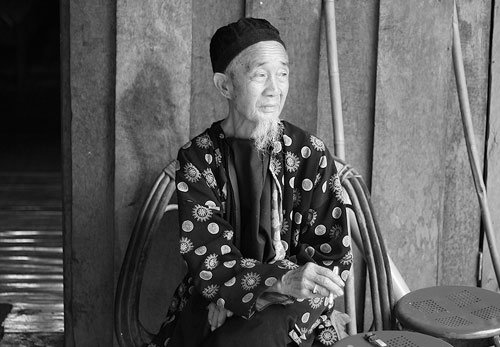

The Lisu: Far from the Ruler
Michele Zack
ISEAS: 2018
.
Some forty years ago, as a student in Thailand, I visited the town of Mae Hong Son, nestled up in the Shan Hills along the country’s western border with Myanmar. In the fading golden light of a December afternoon, I crossed the border in the back of a Toyota pick-up truck, accompanied by chisel-faced members of a lost regiment of Kuomintang forces who found shelter in Thailand after their defeat at the hands of the Chinese People’s Liberation Army in 1949. Three decades later, the grown-up sons of these soldiers had found work policing Thailand’s border with Myanmar. I was struck by the harnessing of these isolated outlaws to keep the peace.
Today, many of these marginal areas are managed in much the same way. Across vast swathes of mainland Southeast Asia, from the rippling Chin hills that cut across the border of India with Myanmar to the snowy Himalayan peaks of Kachin State in the far north of Myanmar, to the lush green valleys of Shan State bordering Thailand, there is nothing certain about who governs whom, except that central state authority is weak and tenuous.
Considered Southeast Asia’s ungoverned frontier, these mainly remote, upland areas are home to a dazzling array of different peoples, many of whom have traditionally preferred to live transient lives, farming upland areas far from the predations of organised central authority. Their survival speaks volumes about the triumph of identity and collective human endeavour.
Until recently, most outsiders managed glimpses of these so-called hill tribes in the commercial night bazaars of northern Thailand, where they peddle colourful embroidered artefacts and old silver, or on organised treks up into the hills around Chiang Mai and Chiang Rai further north. Most settlements of Hmong, Akha, Lahu and Lisu peoples are relatively recent, for these people have lived much longer in the nether regions between China and Myanmar, mostly originating from China’s Yunnan province.
More from Mekong Review
-

Two poems by Rory Harris
-
Meditation and its discontents
-
A poem from Maung Day
- Tags: Issue 17, Michael Vatikiotis, Michele Zack, Myanmar, Shan State