

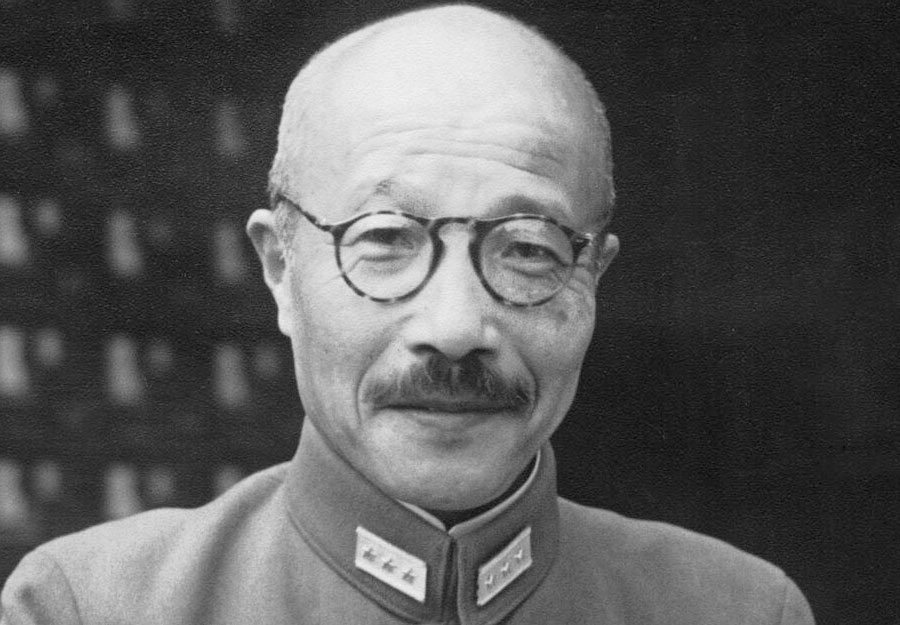
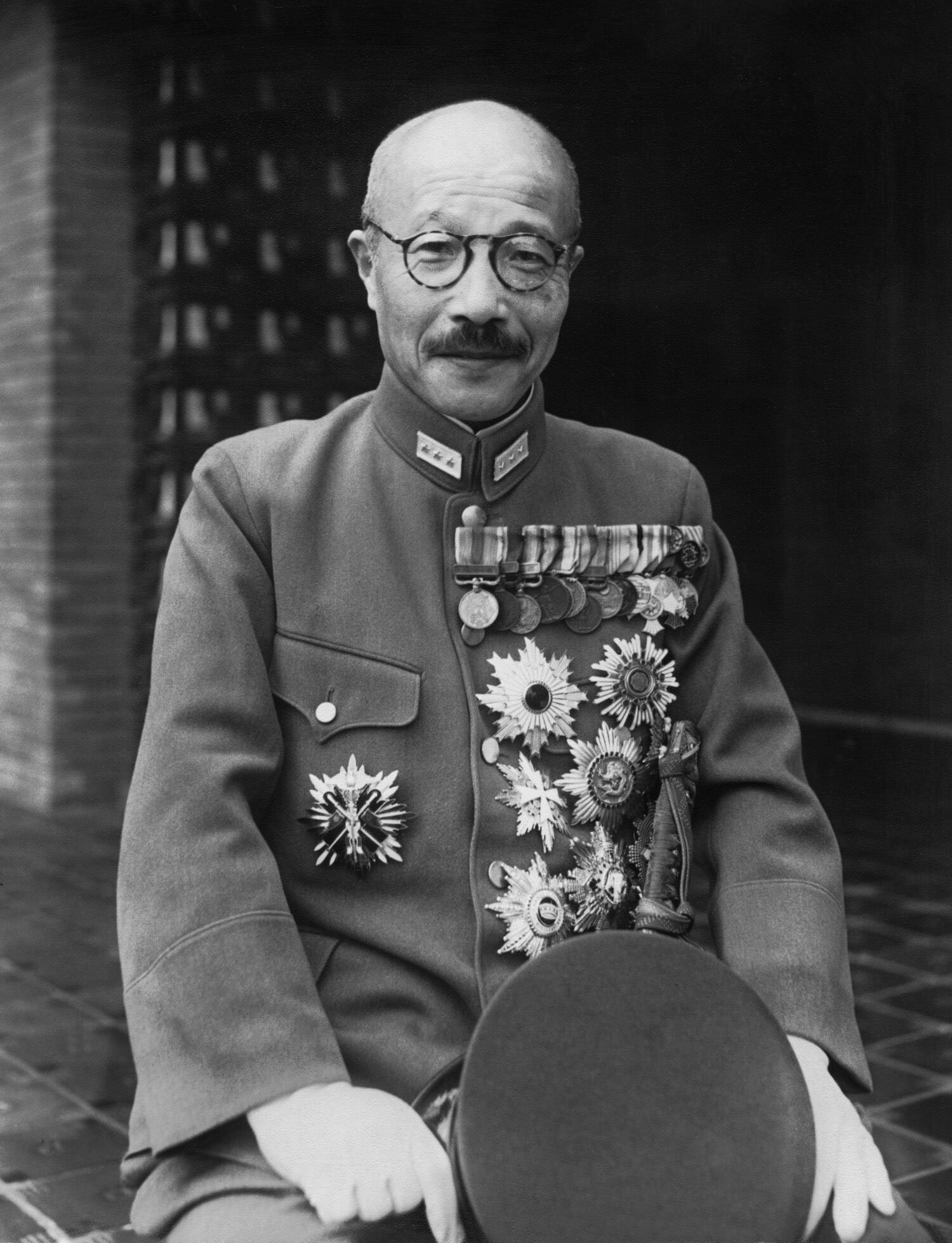
Tojo: The Rise and Fall of Japan’s Most Controversial World War II General
Peter Mauch
Belknap Press: 2026
.
Last year marked the eightieth anniversary of Japan’s unconditional surrender to the Allies. I was in Tokyo in July. Although I was a month too early to witness media reactions to 15 August, the day of commemoration of “the end of the war” (the Japanese rarely refer to it as a day of defeat or surrender), I was still disappointed to see relatively few new works about the Second World War displayed in bookstores. I’m a social historian who has investigated why ordinary people, especially in colonised societies, eagerly volunteered to serve in the Japanese army in the lead up to the war. I appreciate a wide variety of sources and experiences in telling the story of the war. Enthusiasm, suffering, bonding, alienation, and brutality happened in many layers and locations across Asia during Japanese aggression. Unfolding against the backdrop of modern imperialism, anti-colonialism, racism, and Pan-Asianism, Japan’s ‘total war’ (a type of warfare in which the totality of a nation’s resources is used to support the war effort) in Asia and the Pacific cannot be reduced to one narrative.
The news of a new publication, Peter Mauch’s Tojo: The Rise and Fall of Japan’s Most Controversial World War II General, gave me pause. Most historians these days share a general dislike of ‘Great Man history’, which frames the course of history as being determined by specific leaders, usually men. Such histories, often presented as biographies, are popular among a general audience, but there’s a big difference between assigning causality to one man’s decisions and using an individual’s life as a lens to depict a larger social mosaic.
[dropcap]Tojo Hideki was both prime minister and army minister when the Imperial Japanese Navy launched the Pearl Harbor attack in December 1941 and, as written in Harvard University Press’s description of Tojo, is “most often remembered as an iron-fisted leader who dragged Japan into World War II and—after spectacular losses—was eventually executed as a war criminal”.
More from Mekong Review
-

In Tokyo, it’s never clear whether you are in a lockdown or not
-

A poem from Jake Dennis
-
Death and life in a Tokyo neighbourhood
- Tags: Issue 43, Japan, Peter Mauch, Sayaka Chatani