

Making Hong Kong China: The Rollback of Human Rights and the Rule of Law
Michael C. Davis
Association for Asia Studies: 2020
.
For some, the change was felt the day before, as activist political parties were dissolved, online chat groups were closed down, and young Hongkongers raced to delete their social media accounts. For others, the change was felt as a favourite ‘yellow economic circle’ (pro-democracy) cafe hastily dismantled a Lennon Wall displaying protest slogans and artwork.
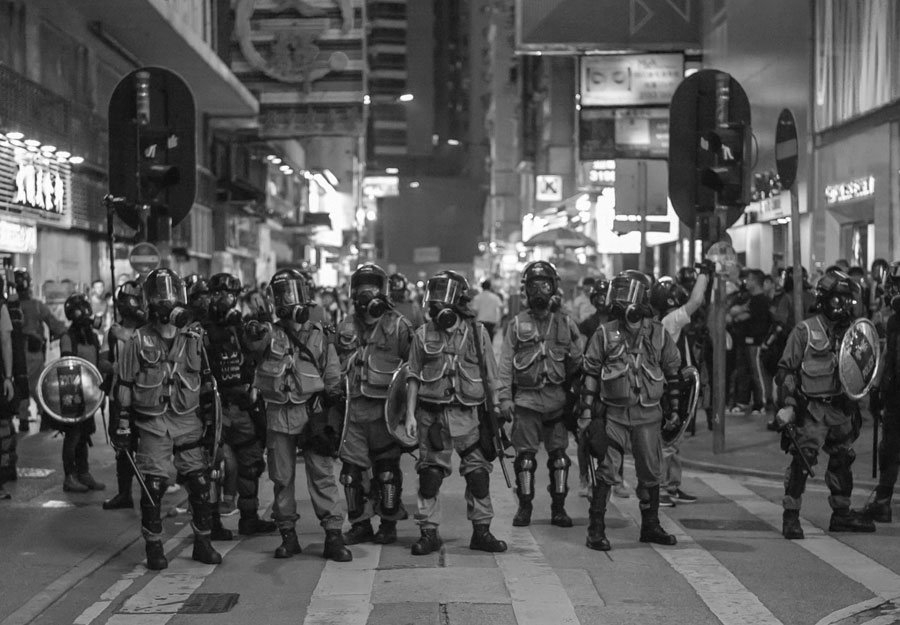
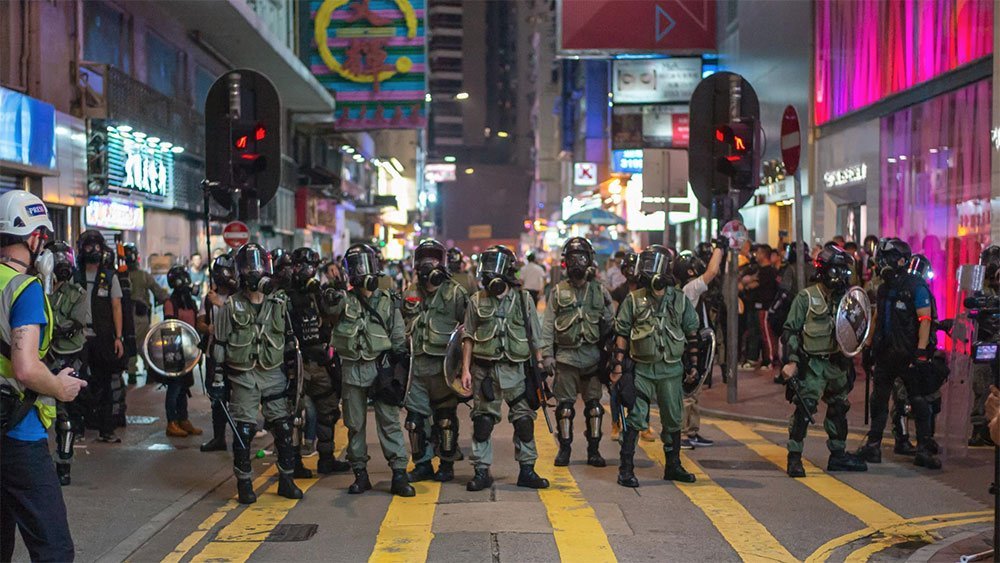
For me, the sudden realisation that Hong Kong was in a new reality hit on the morning of 1 July, less than twelve hours after the new National Security Law (NSL), imposed upon the city by the government in Beijing, had been revealed to the Hong Kong public. That morning, I saw an image online of a warning banner reportedly being displayed by Hong Kong police at a protest, reading: ‘You are displaying flags or banners/ chanting slogans/ or conducting yourselves with an intent such as secession or subversion, which may constitute offences under the HKSAR National Security Law. You may be arrested and prosecuted.’
More from Mekong Review
-

Poetry from Lok Man Law
-

How a teenager from Hong Kong came of political age
-

A poem in commemoration of Bleak House Books, an independent bookshop in Hong Kong, which ceased operations in October 2021. The store is set to reopen in upstate New York in the spring of 2023.
- Tags: Antony Dapiran, Hong Kong, Issue 21, Michael C. Davis