

Xi Jinping: The Backlash
Richard McGregor
Penguin: 2019
.
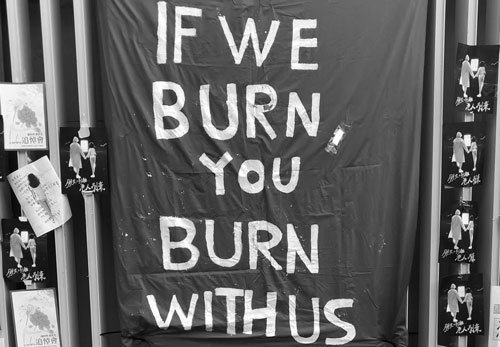
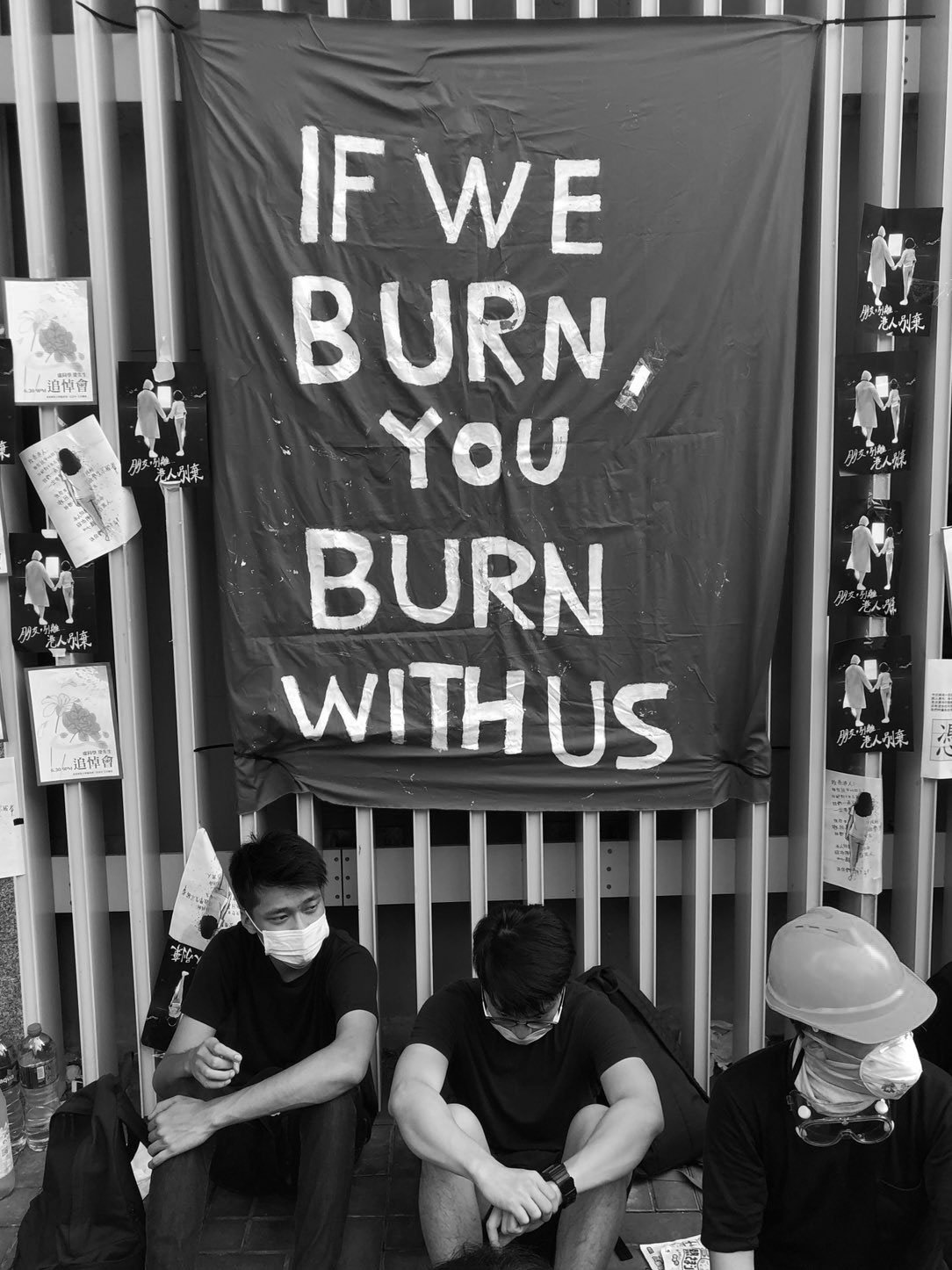
Newspapers around the world at the end of June featured a surprising series of full-page advertisements. “Stand with Hong Kong at G20”, read the striking black-and-white headlines appearing on breakfast tables, in papers from the New York Times to the Guardian, from the Australian to the Süddeutsche Zeitung, from the Asahi Shimbun to Canada’s Globe & Mail. The advertisements, the result of a crowdfunding campaign initiated by activists in Hong Kong, aimed to push Hong Kong onto the agenda at the G20 summit of world leaders being held that week in Osaka. The same newspapers a few days later would carry photographs of those young protesters storming the doors of Hong Kong’s Legislative Council building. What was happening in Hong Kong?
In the five years following the Umbrella Movement of 2014, many observers began to ask whether Hong Kong had lost its will to protest. In doing so, they would point to two arguments: first, that the Umbrella Movement had “failed”. This in itself was a questionable proposition. While the Umbrella Movement indeed did not achieve its stated aim of universal suffrage for the election of Hong Kong’s chief executive, it sparked a political awakening in Hong Kong which was manifested, two years later, in the highest-ever voter turnout for the election of Hong Kong’s legislature, the Legislative Council, or LegCo. In that election pan-democrats, including several young candidates who were either participants in or motivated by the Umbrella Movement, won a record number of seats. The Umbrella Movement was also a significant cultural event, inspiring a vast output of artwork, cinema, documentary films and literature. However, the fact remained that the protesters’ demands were not met, notwithstanding their extended protest.
The second argument observers would point to was the Hong Kong government’s ongoing crackdown on dissent. In the five years since the Umbrella Movement, the authorities in Hong Kong aggressively prosecuted and jailed protest leaders; disqualified duly elected pan-democrat legislators from office; barred candidates from running in elections on the basis of their political views; and banned a political party, among other measures. All of these actions were taken using Hong Kong’s much vaunted rule of law as cover, a campaign of “lawfare” against dissent in Hong Kong, and this campaign succeeded without drawing any significant public outcry. Observers wondered, had Hong Kong’s spirit of protest been crushed?
More from Mekong Review
-

Poetry from Lok Man Law
-

How a teenager from Hong Kong came of political age
-

A poem in commemoration of Bleak House Books, an independent bookshop in Hong Kong, which ceased operations in October 2021. The store is set to reopen in upstate New York in the spring of 2023.