

World War II and Southeast Asia: Economy and Society under Japanese Occupation
Gregg Huff
Cambridge University Press: 2020
.
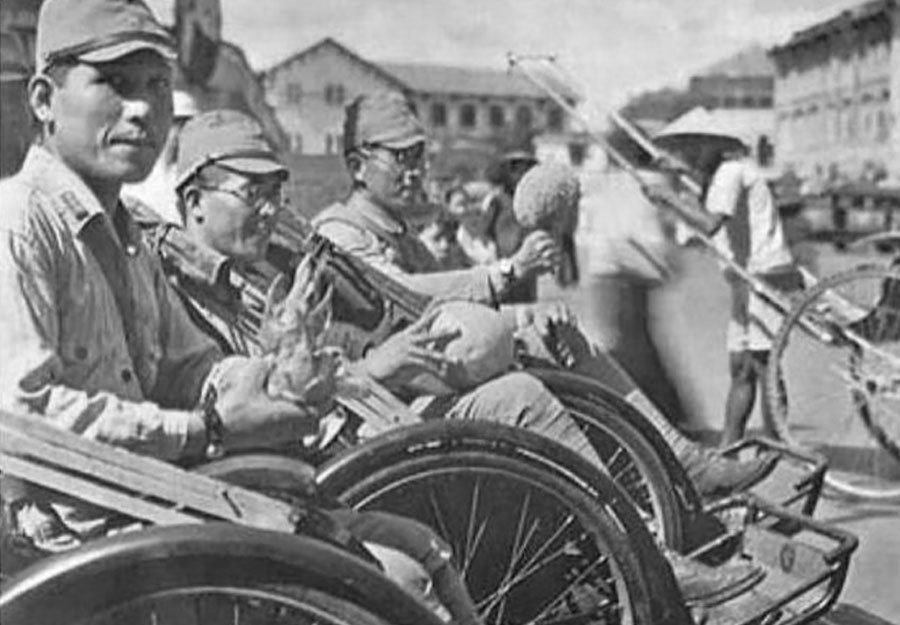
Given the brutality and destructiveness of the Japanese occupation of Southeast Asia during World War II, it is at once surprising and troubling that so few people around the world know much about this disturbing history. General histories of the war—those by B.H. Liddell Hart, Gerhard Weinberg and Martin Gilbert are notable examples—rush past it, stopping now and then for sidewise glances at wartime developments in Burma and the Philippines. Christopher Bayly and Tim Harper’s Forgotten Armies shone much-needed light on the collapse of the British Empire in Southeast Asia during the war, but even today many aspects of the occupation, especially in non-British parts of the region, remain sketchy to the general public and, alas, to the scholarly community as well.
Questions regarding the reasons for the occupation’s relative obscurity kept coming to mind while reading Gregg Huff’s World War II and Southeast Asia: Economy and Society under Japanese Occupation. Pondering such questions led me to metahistorical concerns regarding historical visibility: What makes certain historical events and episodes highly conspicuous, while others, however important, remain shrouded?
More from Mekong Review
-

A quarantine, and food, in Ho Chi Minh City
-

Time slips away in a Hanoi bookstore
-

The passing of Thailand’s revered king has unleashed a torrent of eulogies.
- Tags: Gregg Huff, Issue 23, Japan, Peter A. Coclanis