

Workplace Justice: Rights and Labour Resistance in Vietnam
Tu Phuong Nguyen
Palgrave Macmillan: 2019
.
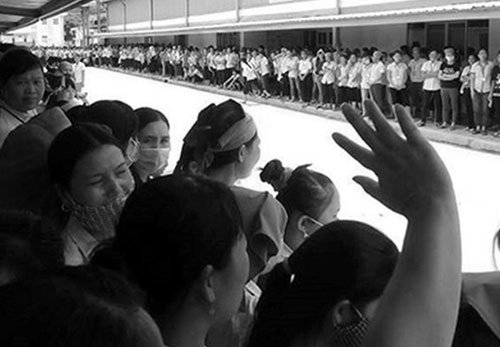
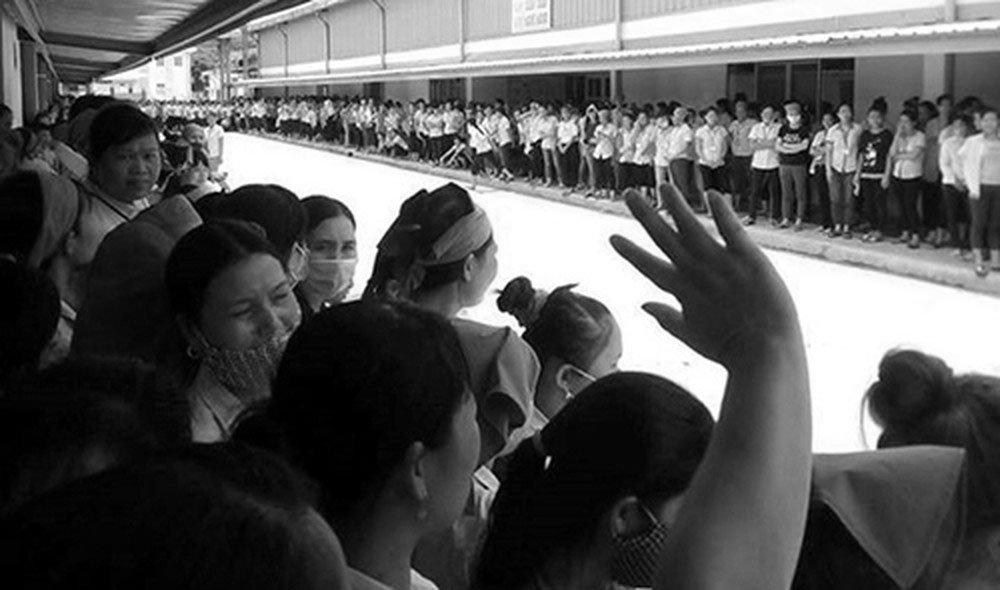
I’m sitting in a coffee shop talking to Chi (not her real name). We’re in Vietnam’s Dong Nai province, one of the country’s industrial heartlands, full of the export-focussed factories that have been a key driver of the country’s stunning economic growth over the past thirty years.
Chi is a line worker at a large garment factory employing thousands of people. She’s frustrated at her colleagues. Wages are low, working conditions are poor, and the management frequently comes up with new policies to make workers’ lives miserable. Despite this, her colleagues don’t seem to care or want to resist. I ask if they ever discuss these issues. Not much, she says. Do they talk about the possibility of organising and striking? Never, she says.
It is not only Chi who thinks that workers are passive. It’s a common refrain often heard with regard to workers in Asia. Workers are passive. They don’t resist. They don’t know their rights. This image of workers was a convenient way to try to attract foreign capitalists to invest. Workers are passive. Come to our country. Exploit our workers. The simple, cheap, female labour force won’t cause you any trouble. Hard working. Submissive.
More from Mekong Review
-
Race and beauty in Vietnam
-

Poetry from David Chandler
-
Poetry from Rory Harris
- Tags: Issue 15, Joe Buckley, Tu Phuong Nguyen, Vietnam