

When Sleeping Women Wake
Emma Pei Yin
Quercus: 2025
.
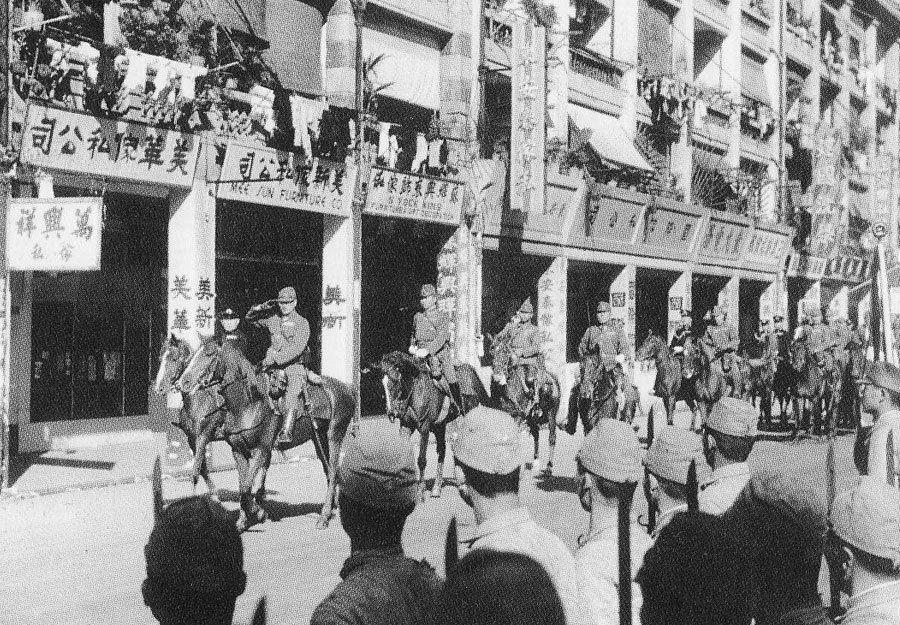
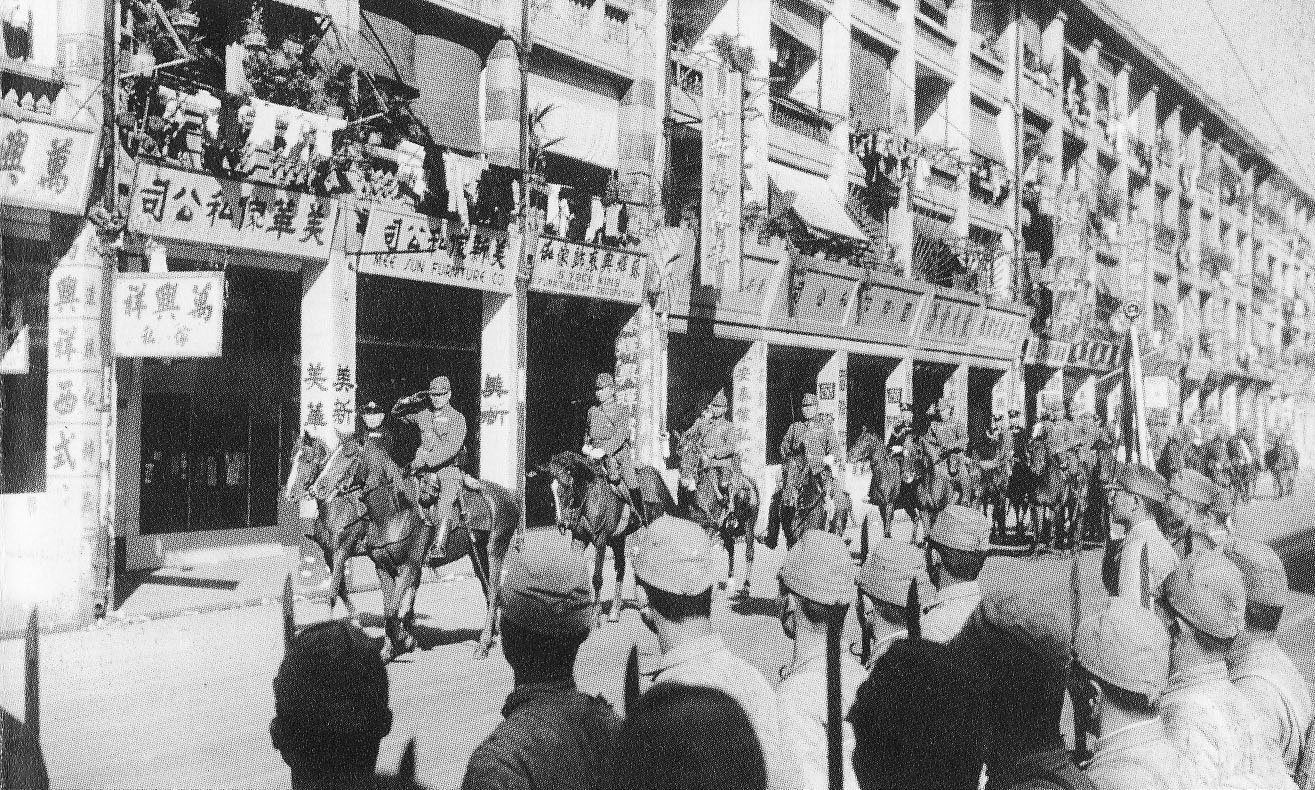
Emma Pei Yin’s debut novel When Sleeping Women Wake evokes a Hong Kong occupied by Japanese forces in December 1941. A stranded Shanghainese family is forced to choose between resistance and collaboration at a time when passivity is not an option. Pei Yin deftly conjures up multiple worlds, from the wealthy comfort of pre-war Shanghai to Hong Kong’s Peak society before the Christmas Day ‘fall’ of the colony. The Japanese High Command in the commandeered Peninsula Hotel contrasts with the anti-Japanese, pro-Communist, and mostly Hakka East River Column guerillas. (Pei Yin herself is of a Hakka family background.) Loyalties are challenged, friendships and family ties stretched to breaking point, romantic liaisons poisoned by politics. When Sleeping Women Wake spans cities and historical periods, political sides and deadly enemies. It is epic, yet also redolent of the focused and taut wartime short stories and novellas of Eileen Chang. Pei Yin, clearly inspired by Chang’s style and regular subject matter, emerges as a major new voice in China-centred historical fiction.
Chang famously declared that she only wrote about the small things: interrupted or false-started love affairs, family squabbles, the day-to-day realities of household life, lustful but often quite inconsequential couplings. Of course, Chang was being characteristically self-deprecating, because her “small things” were invariably set against the backdrop of enormous things—war, occupation, addiction, bankruptcy, forced or catastrophically failed marriages. Pei Yin’s novel is not a pastiche of Chang by any means, but there are resonances in her writing that echo Chang’s oft-repeated worlds of Japanese-occupied Shanghai and the defeated British Hong Kong. After some introductory chapters in the imperilled but petit bourgeois Shanghai, we move to Hong Kong and spend most of the novel navigating the “Fallen City” post-Christmas Day 1941.
More from Mekong Review
-

Poetry from Lok Man Law
-
A poem by Leung Rachel Ka Yin
-

A poem by Yago Tse.
- Tags: Emma Pei Yin, Hong Kong, Issue 42, Paul French