

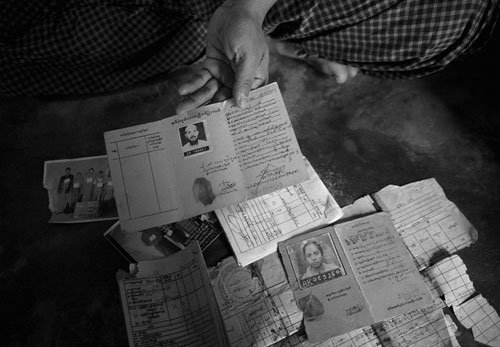
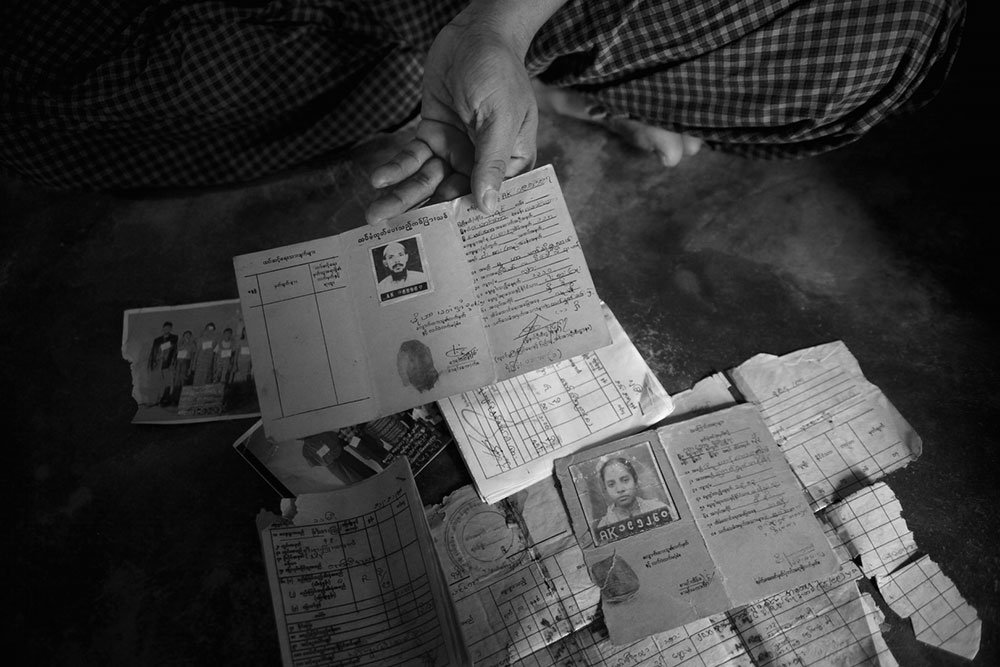
Hazi Oli Ullah was not a rich man before fleeing attacks on his village in Myanmar, but he wasn’t poor either — and he has the land titles to prove it.
The ownership papers and other documents spread out on the concrete floor of his hut in a refugee camp in Bangladesh’s Cox’s Bazar district traced a legacy of dispossession. As with other ethnic Rohingya, his family’s citizenship was stripped away over decades punctuated by bouts of violence against the Muslim community in Buddhist-majority Myanmar.
The latest paroxysm began after attacks by Rohingya militants on state security forces on 25 August 2017, which were followed by a military crackdown.
The government has rejected evidence that its soldiers perpetrated widespread abuses against civilians. More than 800,000 Rohingya have crossed the border since then, the vast majority during the first four months of the military’s “clearing operations”.
More from Mekong Review
-

Poetry from Melinda Jane — The Poet Mj
-
A poem from Maung Day
-
While the Myanmar military is responsible for the violence, Kaamil Ahmed points out in I Feel No Peace: Rohingya Fleeing Over Seas and Rivers that more parties are complicit in the exploitation and abuse of Rohingya refugees.
- Tags: Issue 14, Jared Ferrie, Myanmar, Rohingya