

.
The Making of the Modern Philippines: Pieces of a Jigsaw State
Philip Bowring
Bloomsbury: 2022
.
Monetary Authorities: Capitalism and Decolonization in the American Colonial Philippines
Allan E.S Lumba
Duke University Press: 2028
.
The last time I was in the Philippines, I went to see Ferdinand Marcos’ grave. The soldiers guarding the tombstone were napping under a marquee that day, their limbs limply draped like rag dolls across flimsy chairs. Plastic bottles were strewn across the tarmac paths that sliced the burial ground into sections. Off-duty officers from the nearby military base jogged past at a languorous pace. A sign warned in English, ‘Practice driving, biking, dating & other unauthorized activities are prohibited’. The cemetery grasped at pageantry amid the mundane.
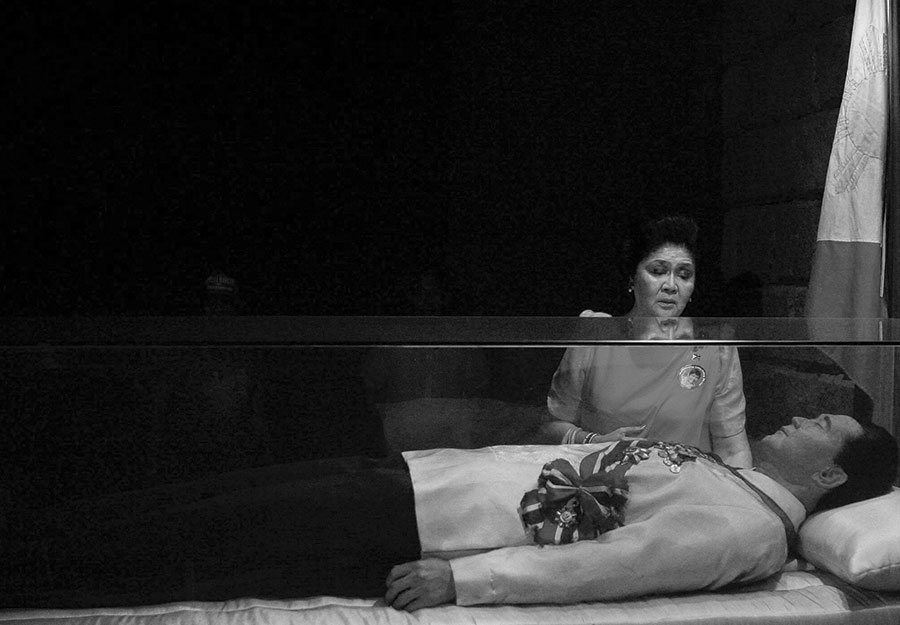
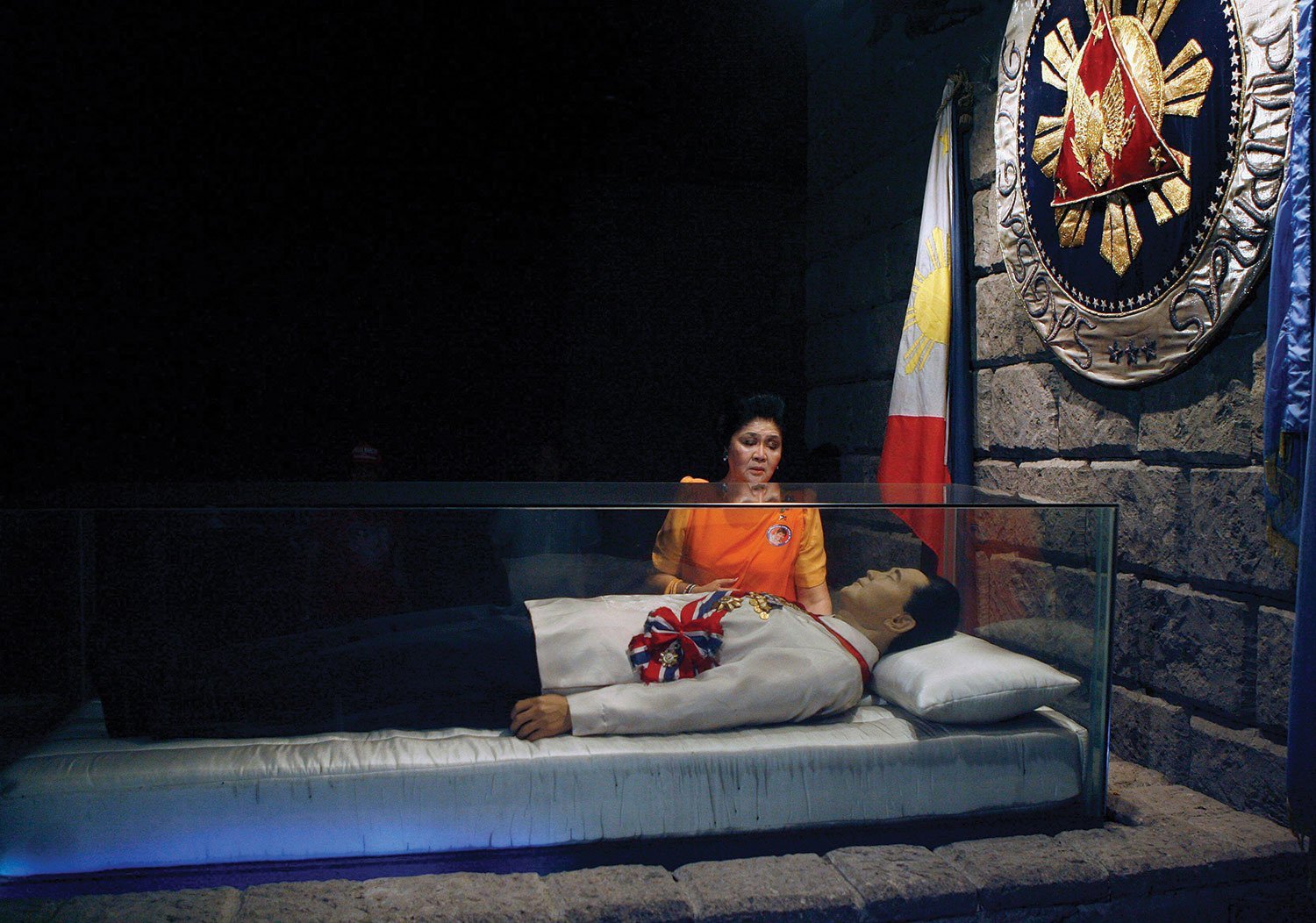
Marcos had been recently interred in Manila. His burial at the centre of the Heroes Cemetery was a sign of the emerging alliance between President Rodrigo Duterte and the Marcos family. Mere weeks after taking office in 2016, Duterte ordered the military to move Marcos’ remains from a bizarre museum-shrine in his home province of Ilocos Norte. His body had lain there, on display in a tomb of glass, since the 1990s. Other presidents had been unwilling to let the dictator be buried alongside the rest of the country’s leaders, as the Marcos family wanted.
More from Mekong Review
-
Manila: from pearl to weed
-

Poetry from Lawdenmarc Decamora
-

Poetry from Tilde Acuña