


Peninsula: A Story of Malaysia
Rehman Rashid
Fergana Art: 2016
Once We Were There
Bernice Chauly
Epigram: 2017
For a nation marking a year of milestones — the 60th anniversary of its independence; the 50th anniversary of ASEAN; and the success of the 29th Southeast Asian Games, which it both hosted and dominated — Malaysia is glum. The past decade’s apparent reversal of fortunes has been compounded by the narrowing of Islamist politics and the multibillion-dollar 1MDB corruption scandal involving Prime Minister Najib Razak.
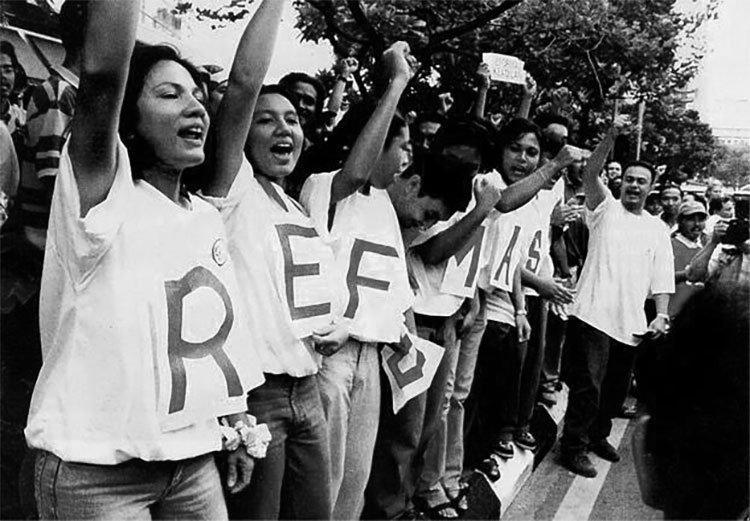
Unsurprisingly, this malaise, felt most keenly among Malaysia’s burgeoning middle classes, has created an appetite for literary and other cultural manifestations that may help to explain why and how the nation is falling apart. For decades its economy had been on a steadily upward trajectory, as reflected in glowing report cards from the IMF and the World Bank, but the 1997-98 Asian financial crisis tipped Malaysia into a political crisis known as reformasi, a movement for democratic change. Sparked by the September 1998 sacking, and later jailing, of deputy prime minister Anwar Ibrahim by then prime minister Dr Mahathir Mohamad, reformasi reverberates through Malaysian politics today.
Peninsula is the long-awaited sequel to Rehman Rashid’s best book, the classic A Malaysian Journey, a touchstone of Malaysian writing, published twenty-five years ago. Together, the books tell of the rise and rise of modern Malaysia: a parable about how sustaining a diverse nation created out of war and British empire-building requires a constant, almost banal effort of compromise and accommodation in a country of disparate ethnic and religious communities (albeit one with abundant natural resources and at a crossroads of global trade).
More from Mekong Review
-

A poem from Hon-Wai Wong
-

In a family that struggles to express affection physically or verbally, food has become a means of demonstrating connection, care, and a deep love.
-

Confronting Malaysia’s leader-in-waiting
- Tags: Bernice Chauly, Issue 9, Kean Wong, Malaysia, reformasi