

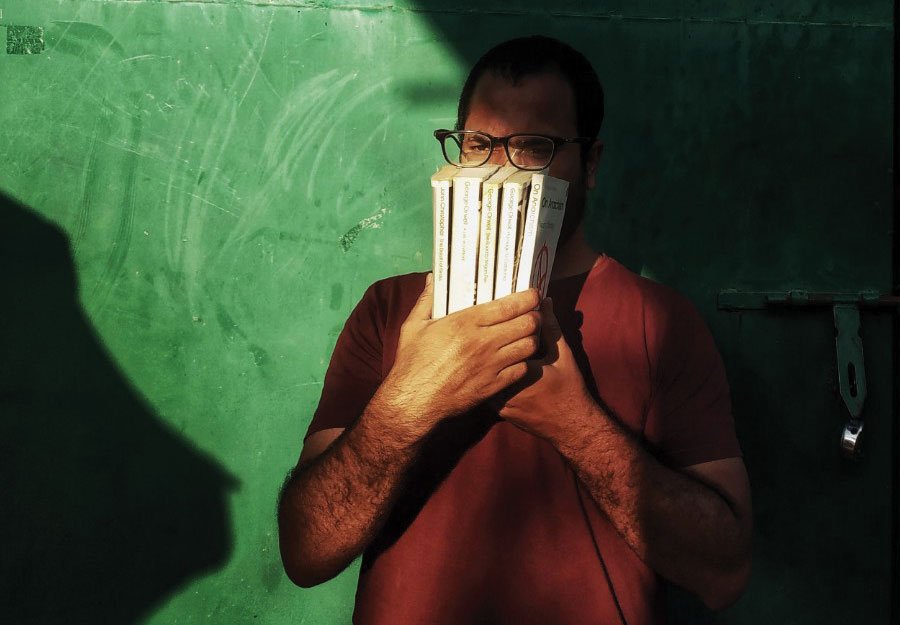
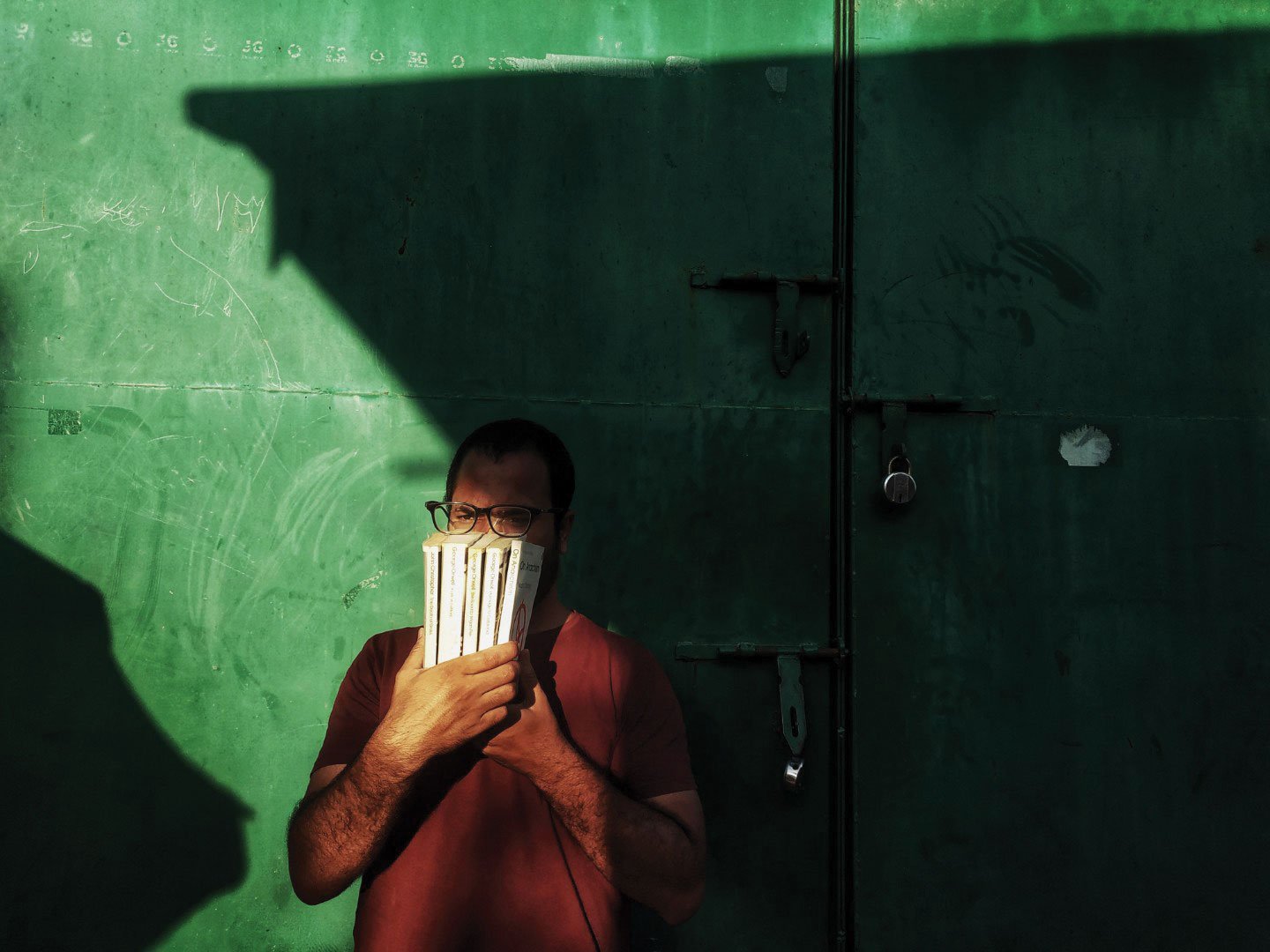
Due to severe surveillance and police raids, almost everyone only agrees to speak to me if they can remain anonymous.
The smell of damp paper clings to the narrow lane that cuts through Maisuma, a neighbourhood wedged between the old wooden bridges and concrete arteries of Srinagar. On rainy afternoons, the air tastes faintly metallic, like rust and wet ink. Inside a dim shop tucked between a tea stall and a tailor’s window, stacks of paperbacks lean against each other like tired men waiting for a bus. A single yellow bulb hums overhead. The bookseller, a thin man in his fifties, greying at his temples, wipes his hands on his pheran before reaching under the counter. He moves carefully, glancing towards the door before pulling out a slim volume wrapped in brown paper.
“It’s gone from the shelves, but not from the city,” he says quietly, sliding it across the counter. He will not say the title aloud. The buyer, a student, puts a folded rupee note down, nods once, and steps back into the drizzle. The bulb flickers, then steadies. The smell of paper and damp wool lingers, as if bearing witness.
More from Mekong Review
-
Hafsa Kanjwal contends that Bakshi Ghulam Mohammed’s state-building practices helped strengthen India’s hold over Kashmir while also enabling modernisation, which paradoxically reinforced a sense of alienation rather than reconciliation.
-

Sufi poet Zareefa Jan spins words in Kashmir
-

Saadat Hasan Manto knew that it was not for him to analyse the multitudes people contain, and that often spill out from us without warning.
- Tags: Adil Amin Akhoon, India, Issue 42, Kashmir, Pakistan