

Covert Colonialism: Governance, Surveillance and Political Culture in British Hong Kong, c. 1966-97
Florence Mok
University of Manchester Press: 2023
.
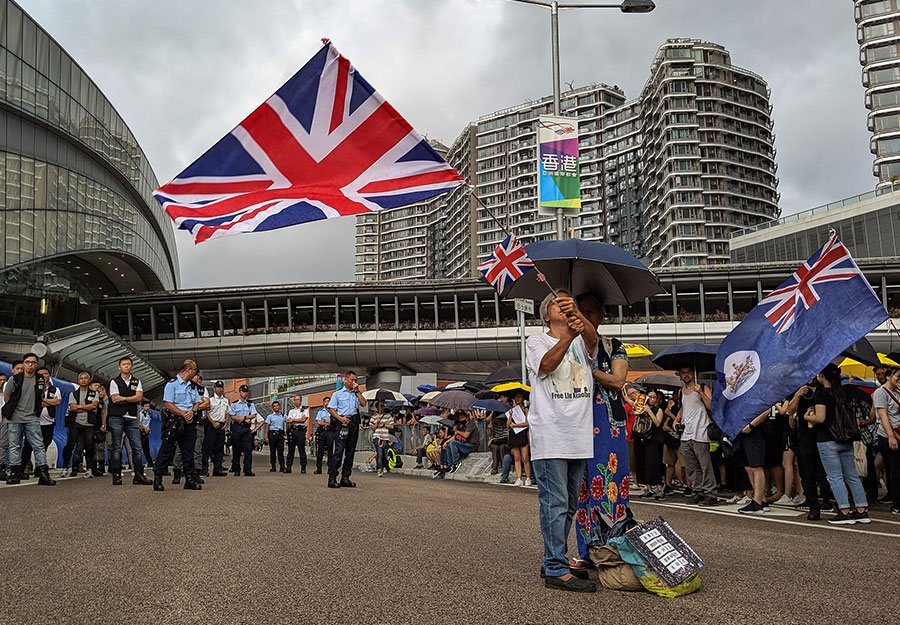
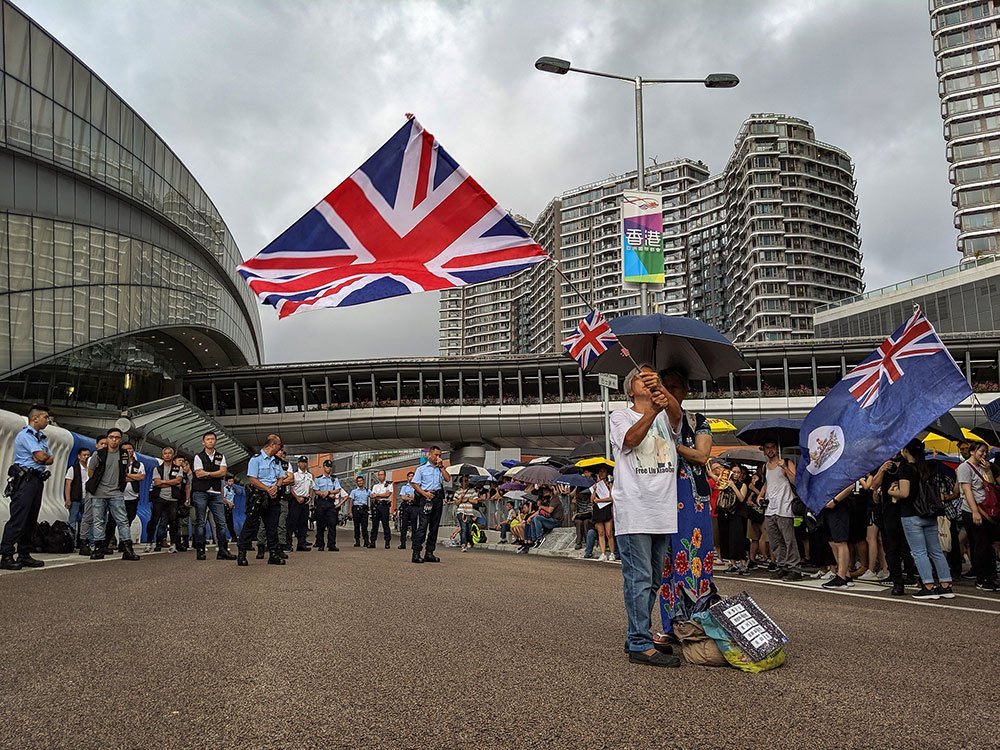
One of the interesting ideas thrown up in Hong Kong a few years back—and still lingering around to an extent—has been a certain nostalgia for the late colonial period (roughly 1966 to 1997). A former member of the Legislative Council, faced with disqualification and possible jail time for daring to even stand for election recently, described the former British colonial government as “relatively enlightened”. The comment caused a minor furore. It wasn’t that anyone wanted the British back, but rather it raised the very real sense that the once core values of personal freedom, rule of law and clean governance were now threatened. The former councillor was right to be worried. But were they right to be nostalgic? And just exactly how enlightened was colonial public policy-making and the regime’s response to social discord and protest? This is the main subject examined in Covert Colonialism: Governance, Surveillance and Political Culture in British Hong Kong, c. 1966-97 by Florence Mok, an assistant professor of history at Singapore’s Nanyang Technological University.
Perhaps democracy activists can be forgiven for being a little nostalgic in the face of threats to their safety and an impending dystopia. Faced with the combined repressive might of the Beijing-based party-state, a tamed Hong Kong police force and judiciary and the threat of incarceration under the pernicious national security law, monitored and harassed for convening trade or students’ union meetings, unable to freely protest or petition, penalised for daring to commemorate the dead of the 1989 Tiananmen Square massacre, the ‘good old days’ can easily be an appealing notion, though ultimately perhaps a political dead end.
More from Mekong Review
-

The story of Hong Kong has long been subject to the whims of outsiders’ imaginations. Almost nowhere in these narratives is Hong Kong a city for the seven million residents.
-
The Hong Kong elite are said to be interested only in making money and not in universal values like democracy, human rights and the rule of law. But that’s not true.
-
For Hongkongers, the British Museum exhibition became a space for those living through the ongoing destruction of their home to make sense of their own lives.
- Tags: Florence Mok, Hong Kong, Issue 33, Paul French