

Belittled Citizens: The Cultural Politics of Childhood on Bangkok’s Margins
Giuseppe Bolotta
NIAS Press: 2021
.
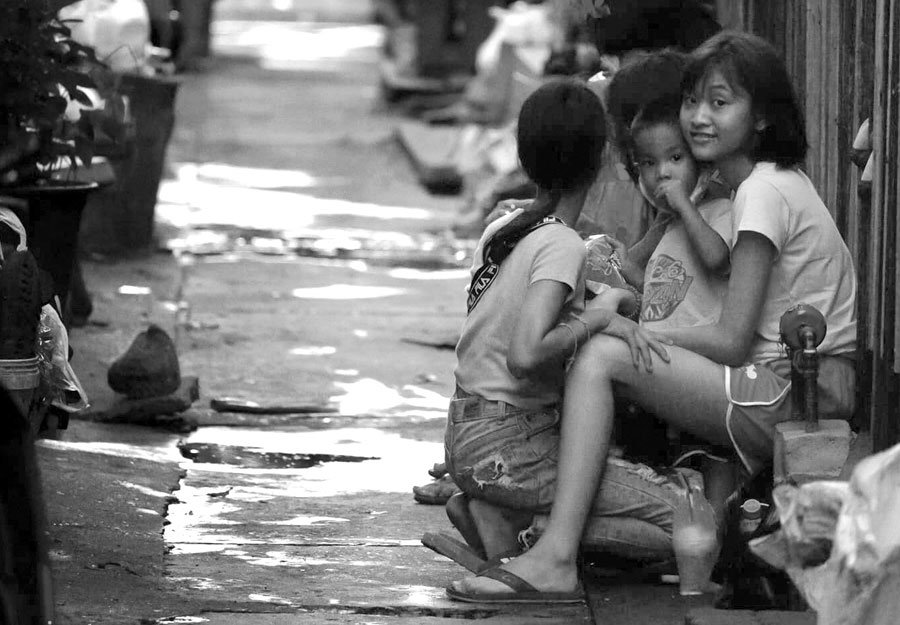
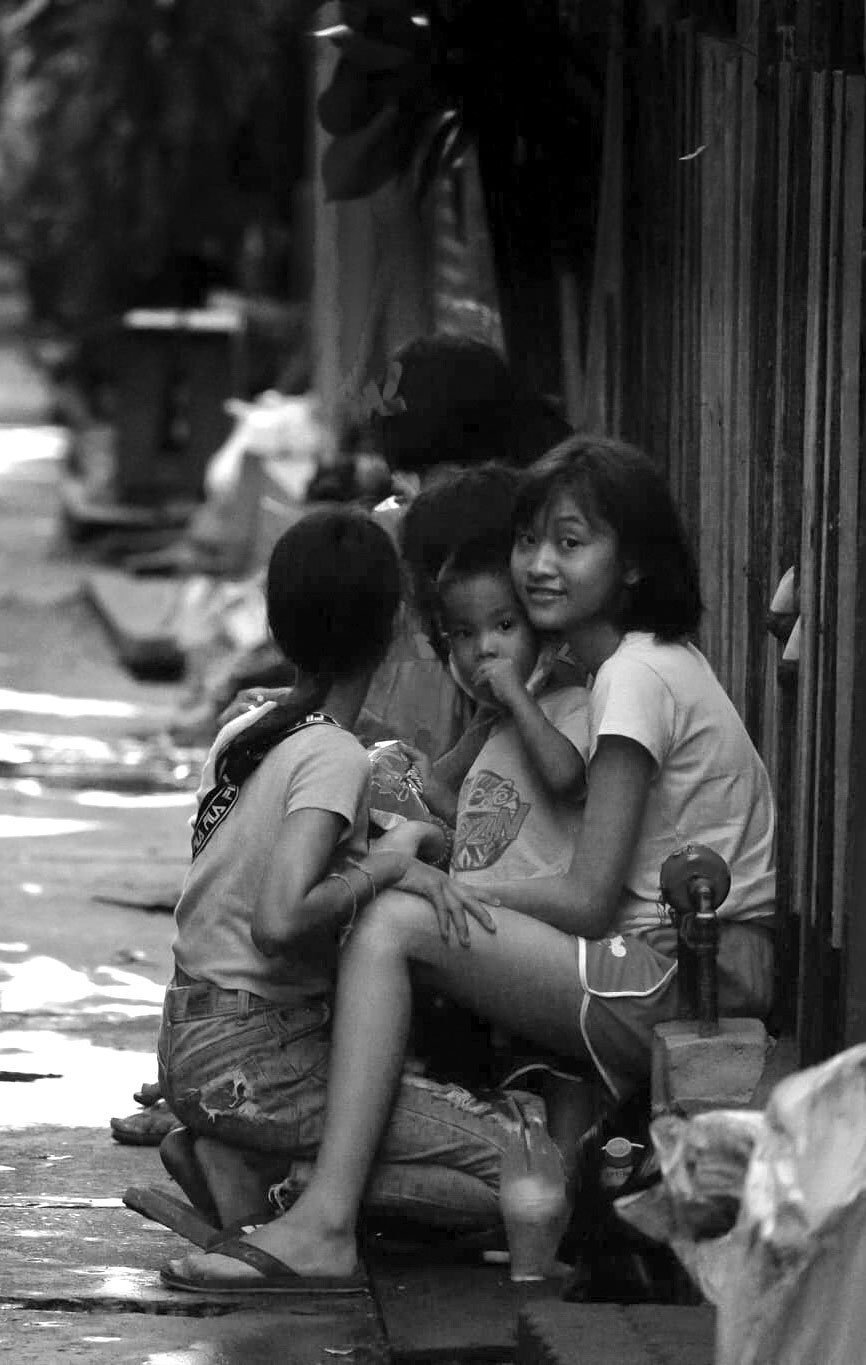
When we first met they were very young kids, dek salam (children from the slums) living in a congested labyrinth of wooden houses, townhouses and flats in the heart of Bangkok. When I spoke to them for this review, they had all grown up, like me. After reminiscing about old times—English camps, art and music lessons, the laughter and the meaningful conversations—I asked them: What was your childhood like? They painted me a picture of their younger years. It was mostly a happy one, all of them said. Not a lot of stress or trouble. Fun times spent playing with friends. The simple kindness of neighbours.
Despite these positive memories, children from the slums have long been regarded by Thais either as victims or as dangers to society—drug addicts and criminals. In Giuseppe Bolotta’s Belittled Citizens: The Cultural Politics of Childhood on Bangkok’s Margins, he regards them as Bangkok’s most marginalised children. After six years of research, including a two-month stint volunteering at a Catholic NGO in the Akhan Daeng slum, Bolotta has attempted to ‘bring out the children’s own voices, embodied experiences and cultural practices in each of the different social settings in which they grow up’. The experiences of the kids in his research line up with the experiences of those I know.
‘I was a very polite child,’ says Napath (Blue) Udomcharoenkij, a boy born and raised in the Khlong Toei slum. From the time Blue was very young, he would come to our church to attend art and music lessons and youth-group meetings. (My parents have been running a church and a foundation in the Jed-sib Rai community, or the Khlong Toei slum, since I was eight.) ‘I got good grades and was always well mannered,’ Blue said, ‘so friends and teachers at school were surprised when they found out I was from Khlong Toei.’
More from Mekong Review
-

A poem from Patiwat Saraiyaem
-

The end of an affair
-
A poem from Jonathan Chan
- Tags: Giuseppe Bolotta, Issue 25, Pim Wangtechawat, Thailand