


The Jakarta Method: Washington’s Anticommunist Crusade and the Mass Murder Program that Shaped Our World
Vincent Bevins
Public Affairs: 2020
.
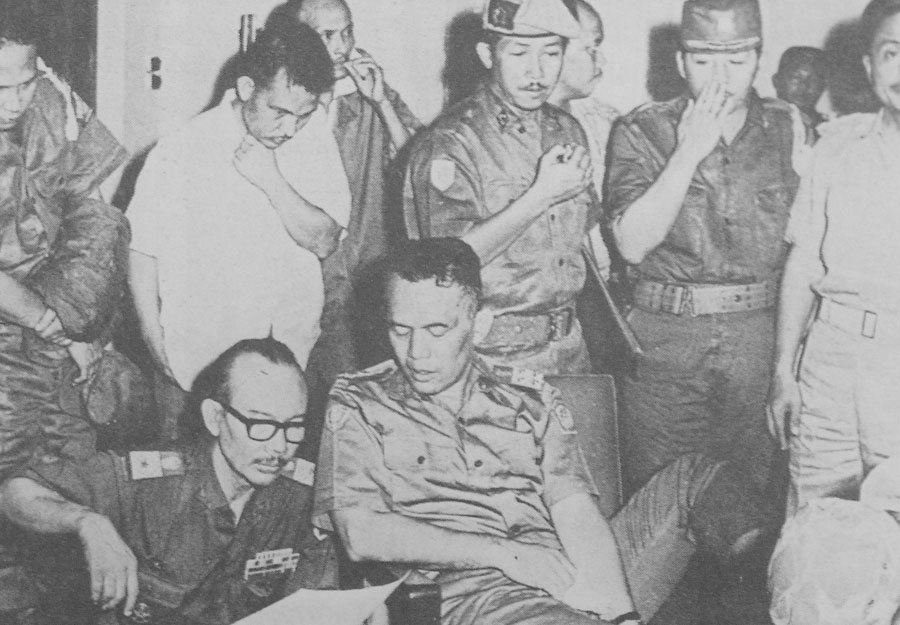
Benny Widyono, an Indonesian of Chinese descent born in 1936, bore witness to iterations of United States Cold War interventions across decades, and from three continents. The 1950s: Benny received an opportunity to study at the University of Kansas. There he met Indonesian soldiers on a different kind of exchange programme: they were receiving hardline anti-communist training just forty minutes away at Fort Leavenworth. The 1960s: some of these soldiers became involved in mass violence against leftists following General Suharto’s US-supported 1965 coup, murdering between 500,000 and one million people. Benny was working for the United Nations in Bangkok at the time; he was questioned because of his Chinese ethnicity, which immediately made him suspect. The 1970s: Benny received a new UN post in Chile in the years following the US-orchestrated Pinochet coup. In Santiago, he heard soldiers reference ‘Jakarta’, the capital of his country, as ‘an example of glorious, anti-communist terror’—the city now symbolised successful extermination, a model and method for state violence halfway across the world.
More from Mekong Review
-

In a short time wearing face masks became the norm in Ubud
-

The poet Jennifer Mackenzie on her engagement with Indonesian literature and art
-

Poetry from Rory Harris
- Tags: Indonesia, Issue 20, Lara Norgaard, Vincent Bevins