


The Burmese Labyrinth; A History of the Rohingya Tragedy
Carlos Sardina Galacheh
Verso: 2020
.
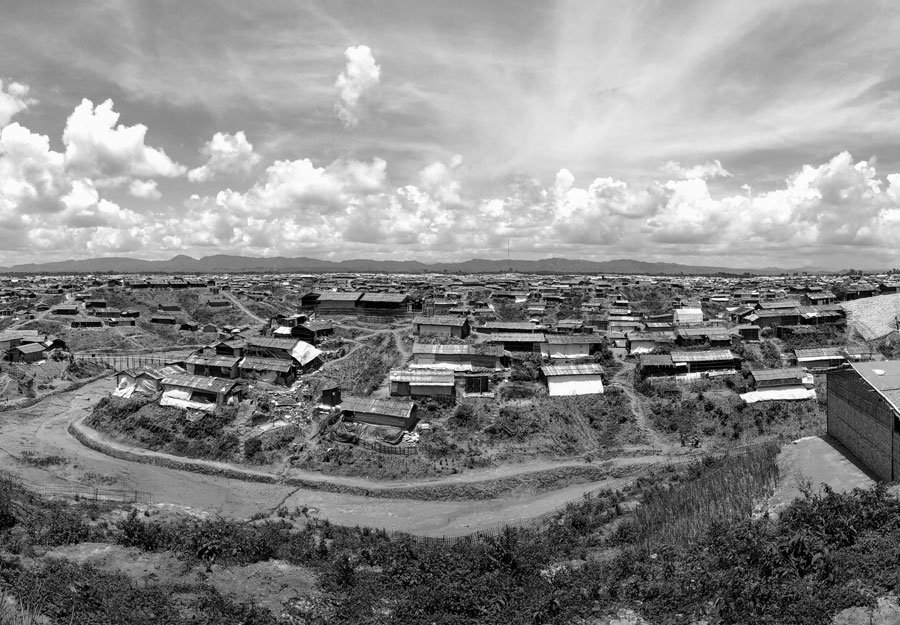
While driving down the coast of southern Maungdaw in Rakhine state in late 2015, two realities were starkly clear. The first was the clear separation between communities: Rohingya Muslim villages divided by paramilitary police checkpoints from less numerous ethnic Rakhine communities on the one main road, the architecture of repression. Second was the murderous opportunity provided by the hedged-in geography of the area. The Mayu Mountain ridgeline sat on the east, and the shorelines of the Bay of Bengal lay to the west.
Expelling unwanted Rohingya, then, would be simply a matter of driving up the road, and—through arson, rape and wanton slaughter—clearing the area of those who had lived there for generations but were never officially regarded as belonging. Close to the border with Bangladesh, farther north, were the paddy fields of Rohingya people, who could flee by land or skiffing across the Naff River. I knew that, eventually, the Myanmar state was likely to pursue violent expulsions of the form unleashed in 1978 and 1991 against the same community, and my observations haunted me.
More from Mekong Review
-
The Burmanisation of language in Myanmar
-

Poetry from Maw Shein Win
-

Poetry from Rory Harris