

A Savage Dreamland: Journeys in Burma
David Eimer
Bloomsbury: 2019
.
Dates and even epochs are important when referring to Myanmar, such is the recent pace of change there — accelerated change that can sometimes be seen as a response to fifty years of moribund stasis inspired by the military and a dictatorship executive that lacked imagination, was superstitious and decidedly insane, ensuring that nothing would ever progress while they were in charge.
David Eimer’s arrival in Myanmar — he prefers Burma as I do — was in October 2015 in the preceding month before national elections would take place. Those elections swept Daw Aung San Suu Kyi and her National League of Democracy party to power, the world tuned in and the air of optimism was palpable.
Daw Suu, on her landslide majority was debarred by the country’s constitution from being president because she had been married to a foreigner. This clause had been craftily inserted by the military years earlier, but Daw Suu demonstrated her mettle by saying she would rule and be “above the president”. Within a year and a half and with a doomed sense of history repeating itself, the true horrors of what was happening to the Rohingya began to emerge. Daw Suu did a Pontius Pilate while her international supporters were aghast and uncomprehending. Eimer arrives on the cusp of this new dispensation and ambitiously, for a foreigner, sets out to get to the heart of the golden land.
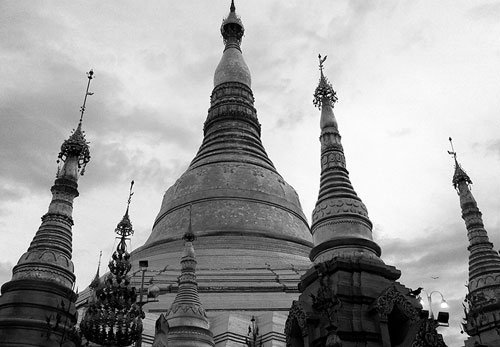
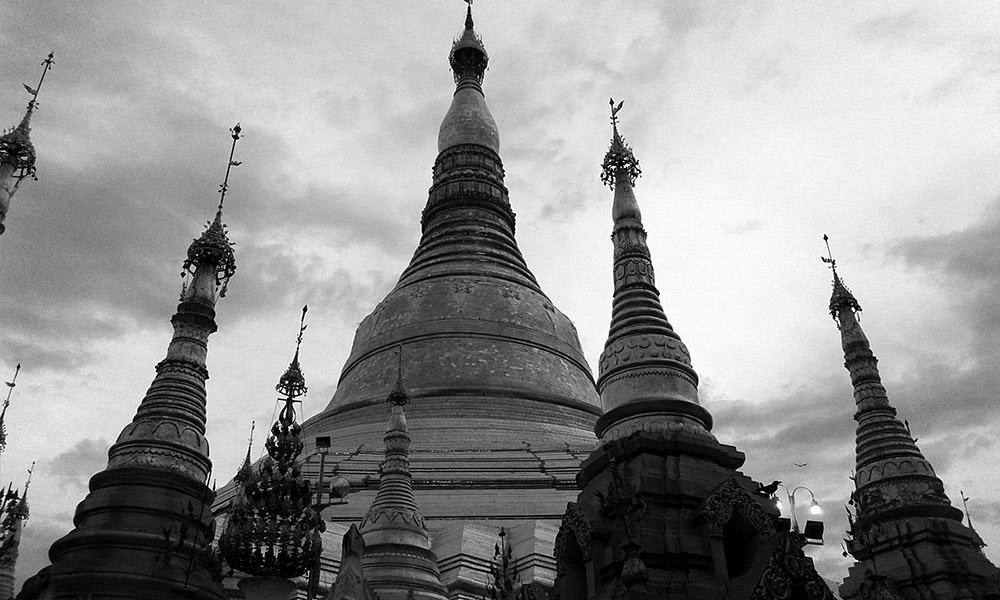
His journey begins in Yangon as all journeys in Myanmar do, and he takes us through the transforming city which, despite its surfeit of colonial architecture, is like a noisy and congested building site. But standing sentinel on a hill above it all and visible from the city’s thirty-three townships is the Shwedagon Pagoda, a still astonishing vista which greeted the first European visitor, a Venetian merchant, Gasparo Balbi, who encountered its dazzle in 1583. Eimer suggests the Shwedagon as symbol, predating the written Burmese language and the nation itself, its longevity a riposte to those from the British to the generals who have sought to impose their own reality on Yangon. As a guide, Eimer is careful to reveal while dropping facts and occasionally trivia along the way. It was news to me that Charles Austen, brother of the novelist Jane, “used the Shwedagon to guide the invading fleet he was commanding into Yangon’s river at the beginning of the Second Anglo-Burmese War”. Or that when visiting the pagoda in 1953, Richard Nixon — a man who famously dressed so formally that he wore a suit when walking the beach — actually wore a longyi or male sarong out of respect for the site.
More from Mekong Review
-

A poem by Rory Harris
-
A poem by Jennifer Eagleton
-

From Myanmar to Ireland
- Tags: David Eimer, Issue 18, Joseph Woods, Myanmar