


City on Fire: The Fight for Hong Kong
Antony Dapiran
Scribe: 2020
.
Aftershock: Essays from Hong Kong
Holmes Chan (Editor)
Small Tune Press: 2020
.
The rapid shifts in the Hong Kong protest movements in June 2019 took everyone by surprise. I took part in several panels and workshops in the United States and Britain that May, dealing with dissent in China, and I had exchanges about Hong Kong with many people, including Lord Patten, the territory’s last colonial governor, and I don’t remember anyone suggesting that a sequel to the 2014 Umbrella Movement was in the offing. Similarly, writing in the London Review of Books about meeting Hong Kong democracy activists in Taiwan in May 2019, Wang Chaohua, a veteran of the 1989 Tiananmen protests, wrote: ‘None of them anticipated that a new, spectacular phase of Hong Kong’s struggle for democracy was about to unfold’. But that, of course, is just what happened.
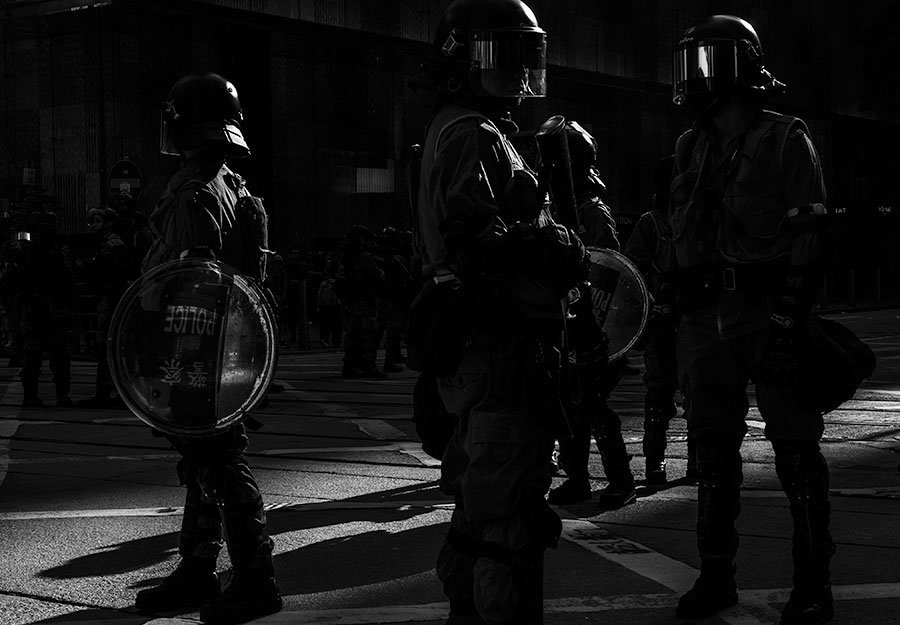
Sunday 9 June, witnessed the biggest demonstration in the city in years. On the next Sunday 16 June, an even larger number of people marched, by some estimates a quarter or more of the city’s population of 7.5 million. This was due to popular fury at the bullying tactics the police had used during a midweek day of protest, tear-gassing peaceful crowds, but also a protest that included the first militant move by activists: a group trying to break into the Legislative Council. The 16 June march, the first of many 2019 protests in which complaints about the bill fused with complaints about the police, was the biggest event of its kind in the city’s history. This came as a surprise to everyone.
More from Mekong Review
-

Poetry from Lok Man Law
-
Poetry from Lok Man Law
-

How a teenager from Hong Kong came of political age