

The Soul of Beijing
Tom Pellman
Camphor Press: 2022
.
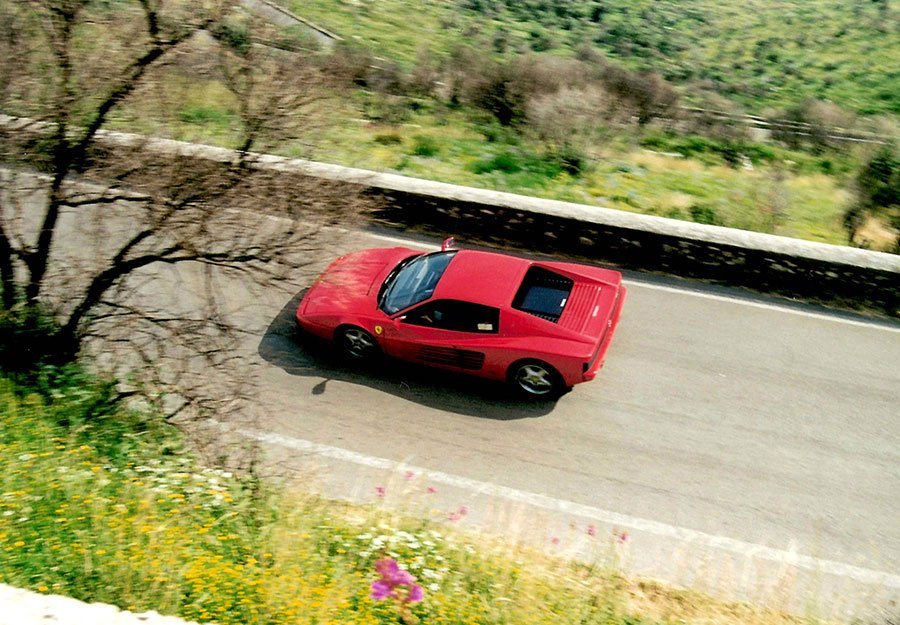
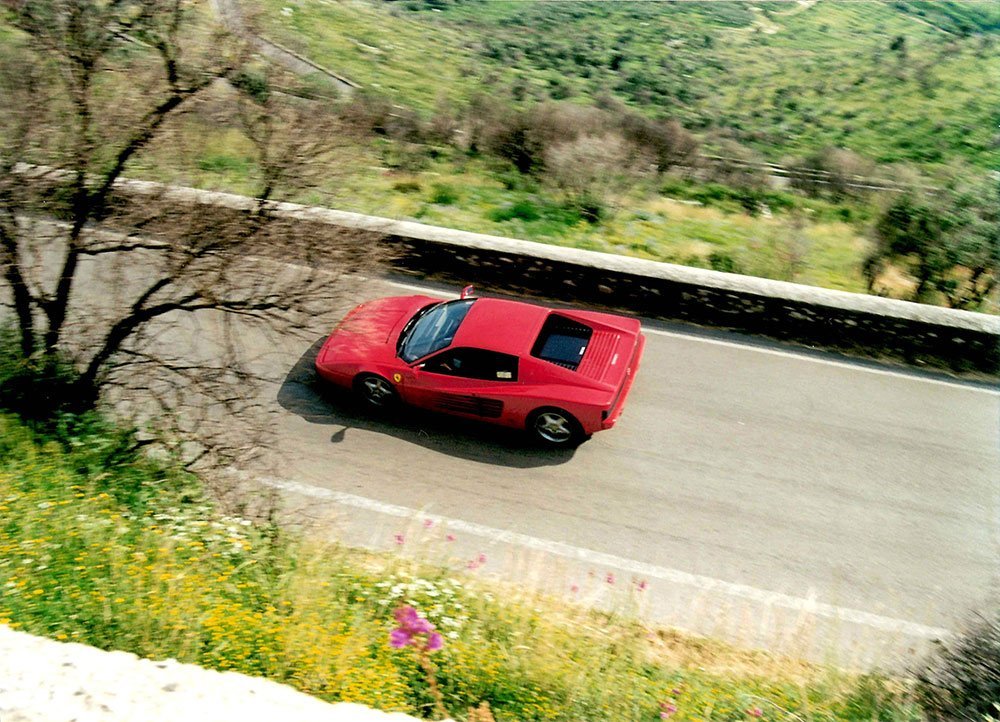
In March 2012, the word ‘Ferrari’ was briefly censored on Chinese social media. Related discussions, including images of a burnt wreckage of the sports car, were wiped from popular websites. Initial reports indicated that a black Ferrari had crashed in Beijing with three people inside: a male driver and two female passengers. All three were allegedly in some state of undress.
The hasty cover-up fuelled rumours about the identities of the victims. Facts only emerged half a year later, against the backdrop of the most important Chinese leadership transition in decades: the coronation of Xi Jinping. The deceased driver was the son of Ling Jihua, a top party official and confidant to Hu Jintao, the outgoing president. The familial connection to the car accident was confirmed by Ling’s unexpected demotion that autumn. Four years later, Ling was sentenced to life in prison for corruption and abuses of power.
The two women in the Ferrari remain nameless, their fates unknown. Their existence has been reduced to a salacious detail in a fatal tragedy, a footnote to a palace struggle. What were they like? Who loved and cared for them? How many lives like theirs have been swallowed by shifting tides, and how do ordinary people stay afloat?
More from Mekong Review
-

Unable to write openly about repression, Uyghur writer Perhat Tursun resorted to symbolism, invoking visceral descriptions in his novel The Backstreets to convey a sense of disconnect and despair.
-

Fiona Sze-Lorrain’s novel Dear Chrysanthemums offers a provocative look at the defining events of the past half-century of Chinese history.
-

A short story by Katrina Yu.
- Tags: China, Issue 31, Tom Pellman, Yangyang Cheng