

The Rise of Duterte: A Populist Revolt Against Elite Democracy
Richard Javad Heydarian
Palgrave Pivot: 2018
.
The world knows his name now. Newsreaders mention him often — his latest joke about sexual violence, his latest curse at world leaders, his latest injunctions to destroy part of the population of his country. But in the years before the world knew his name, I heard it murmured in the Philippines in different tones, with dread-tinged admiration.
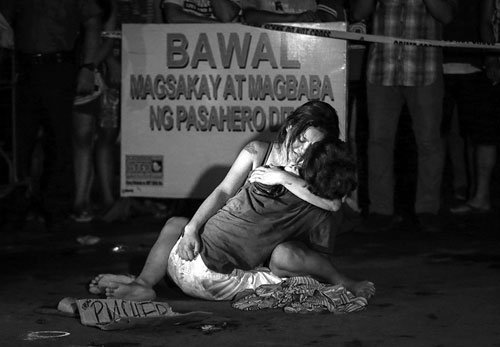
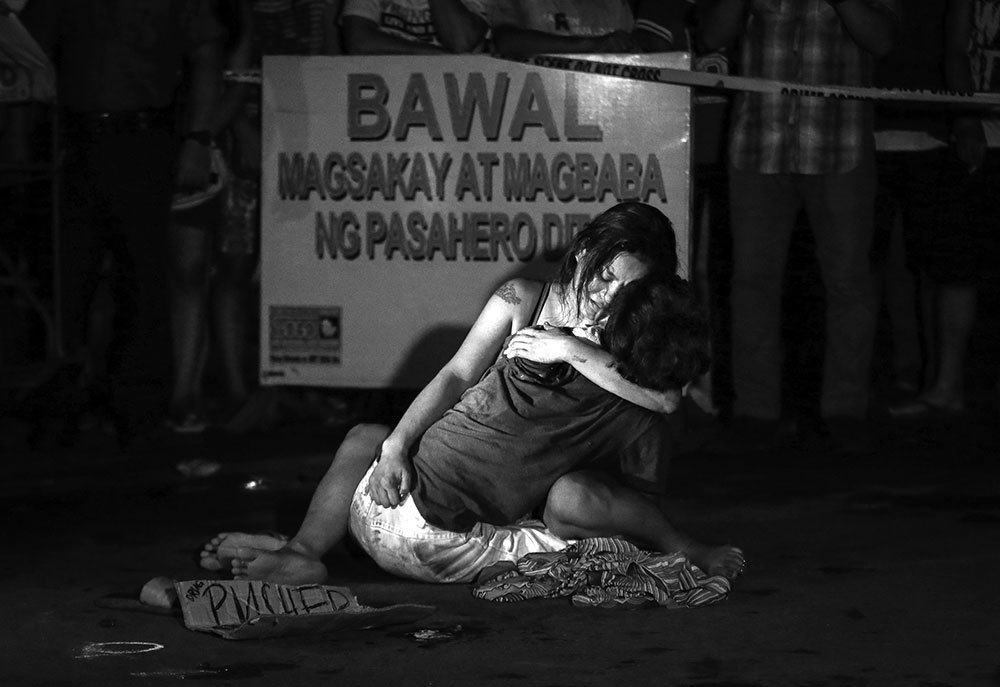
He was the mayor who cleaned up Davao City, on the southern Philippine island of Mindanao, giving it peaceful, orderly, smoke-free streets; the guy who took drug dealers up in helicopters and pushed them out over the ocean; the leader who used official lists to exterminate petty criminals, journalists and political opponents. The stories grew from unsubstantiated rumours and reports by human rights researchers. Yet such legends, factual or not, struck the hearts of long-suffering Filipino voters and their desires for safety, prosperity and security.
I often heard that if he could force security on Davao City, he could do it for the country. I wasn’t sure about that. But when Rodrigo “Rody” Roa Duterte entered the Philippine presidential race in late 2015, I didn’t brush him aside as a showman or a madman. There was something in his trajectory that gave Filipinos hope. I was sure he would win.
More from Mekong Review
-
Manila: from pearl to weed
-

Poetry from Lawdenmarc Decamora
-

Poetry from Tilde Acuña