

Border Capitalism, Disrupted. Precarity and Struggle in a Southeast Asian Industrial Zone
Stephen Campbell
Cornell University Press: 2018
.
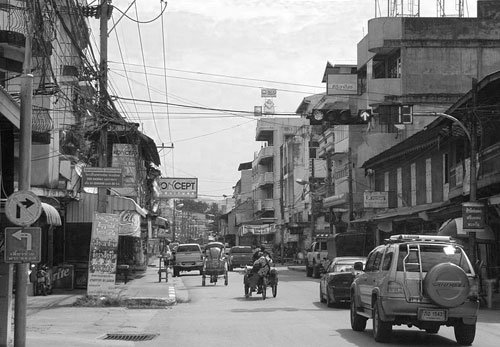
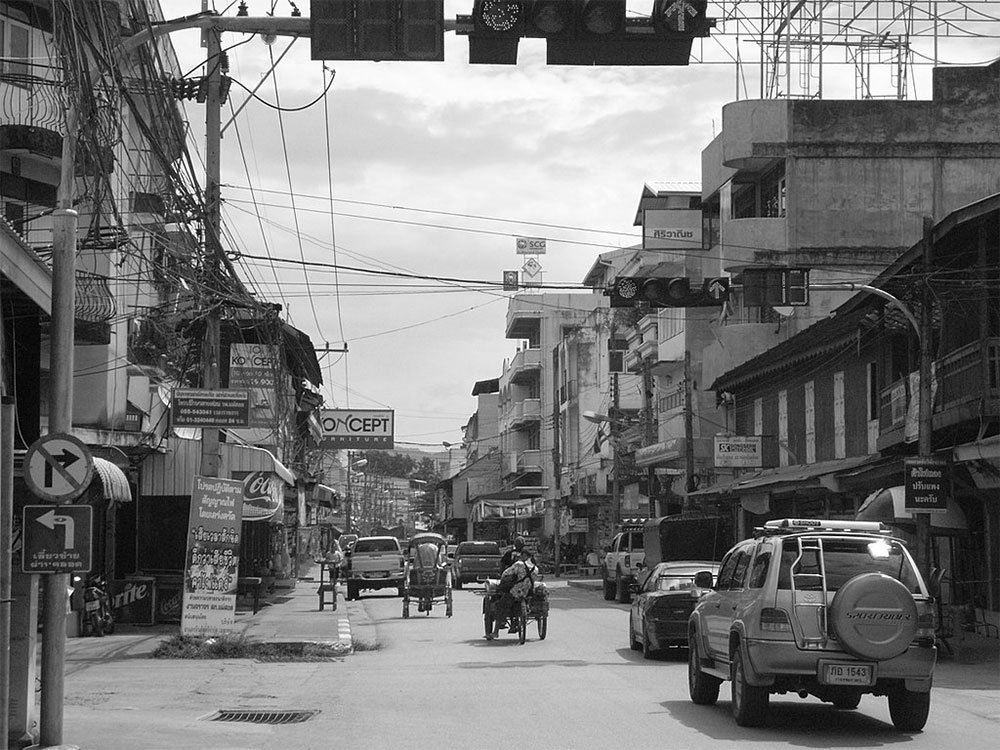
Border towns are often sketchy, sleazy and specious. Mae Sot, the “westernmost” town of Thailand, as described on the signboard by the Friendship Bridge connecting it to the Myanmar town of Myawaddy over the fetid Moei River, is a classic example. Over decades, Mae Sot has grown from an isolated Thai village across from Myanmar’s incessant ethnic armed conflict to a key border trading post where every manner of rebel, smuggler, drug dealer, pimp, refugee, migrant worker and corrupt official has flocked to make a fortune or eke out an existence.
Mae Sot for many years embodied the contradictions and corruption of Orson Welles’s film Touch of Evil, in which competing mercantile interests clash and ordinary people become victims near the border between two uneven nation-states. At least that’s what I thought when I first arrived in 2002. Mae Sot was a slice of Myanmar slapped down just inside the dark side of Thailand.
Violent narratives of border towns have excited foreign reportage for many years, and Mae Sot endured a lazy caravan of freelancers reporting on abuses of migrant workers, drug trafficking and assorted intrigue gleaned from intoxicated aid workers. Phil Thornton’s classic reportage Restless Souls, about Mae Sot and the ethnic Karen struggle against Myanmar military rule along the border, was a rebuke to such hackneyed tick-box coverage, profiling the many different people from Myanmar who carved out an uneasy emigre hub in Mae Sot.
The scholar Stephen Campbell has worked on the same border for many years, among displaced Karen refugees and more than 200,000 undocumented migrant workers from Myanmar. His tightly written new study, Border Capitalism, Disrupted, is both humanising and erudite, an original analysis of the plight of migrants toiling in harsh conditions.
More from Mekong Review
-

Poetry from Clarity Lim
-

The end of an affair
-
Having fun on the Death Railway