

Ulirát: Best Contemporary Stories in Translation from the Philippines
Tilde Acuña, John Bengan, Daryll Delgado, Amado Anthony G. Mendoza III and Kristine Ong Muslim
Gaudy Boy Translates: 2021
.
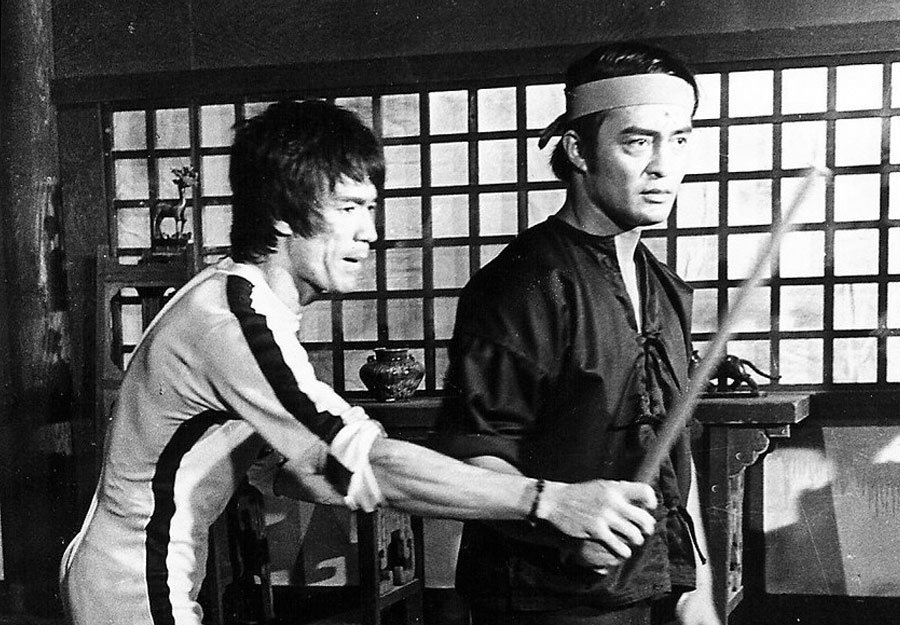
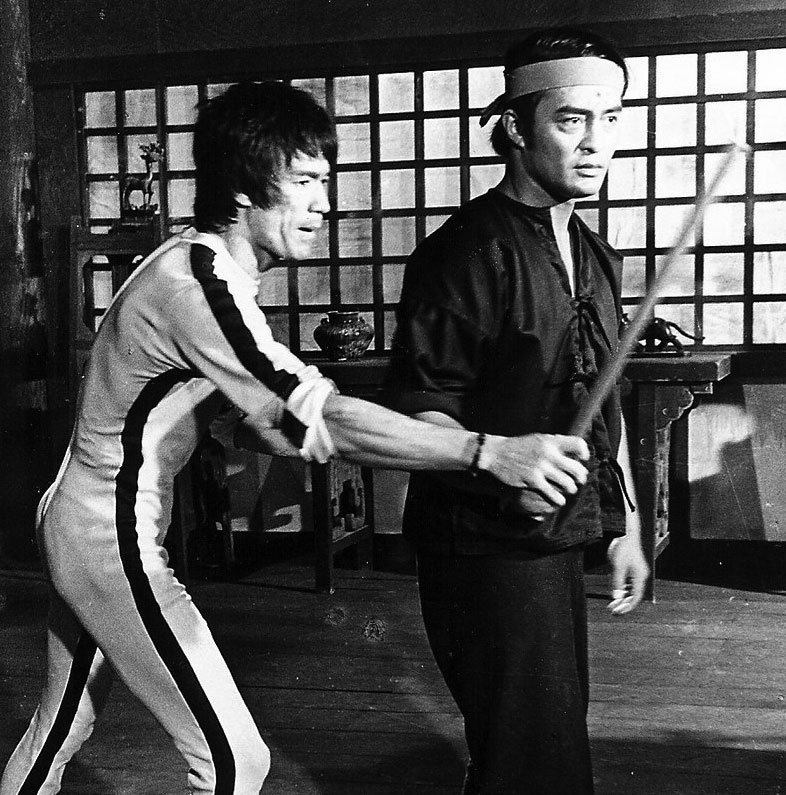
There is something strangely Filipino about Bruce Lee. If you were asked to conjure a mental image of the late famed martial artist, you would likely see him shirtless, left hand widely fanned at the end of an outstretched arm, Japanese nunchaku tucked neatly into his right armpit. Lee’s characteristic nunchaku, however, was originally a similar Filipino weapon, the tabak-toyok, introduced to Lee by his long-time Filipino friend and sparring partner, Dan Inosanto. Inosanto’s Filipino martial arts, apart from the tabak-toyok, influenced much of Lee’s own style and philosophy. In some sense, we can say that Bruce Lee popularised East Asian martial arts through the movement of his sparring partner, exemplifying the multiple, simultaneous realities that critical theorist Neferti Tadiar has argued are familiar to Filipinos living both in the diaspora and in the Philippine archipelago.
More from Mekong Review
-

Poetry from Sam Cheuk
-

A quarantine, and food, in Ho Chi Minh City
-

Poetry from Lawdenmarc Decamora