

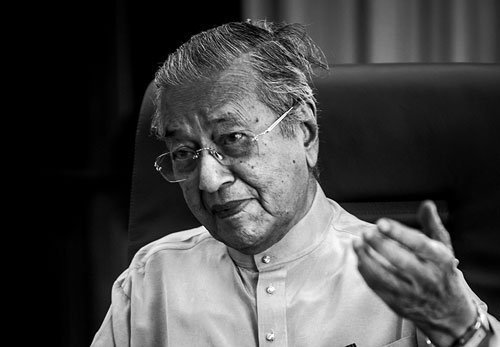
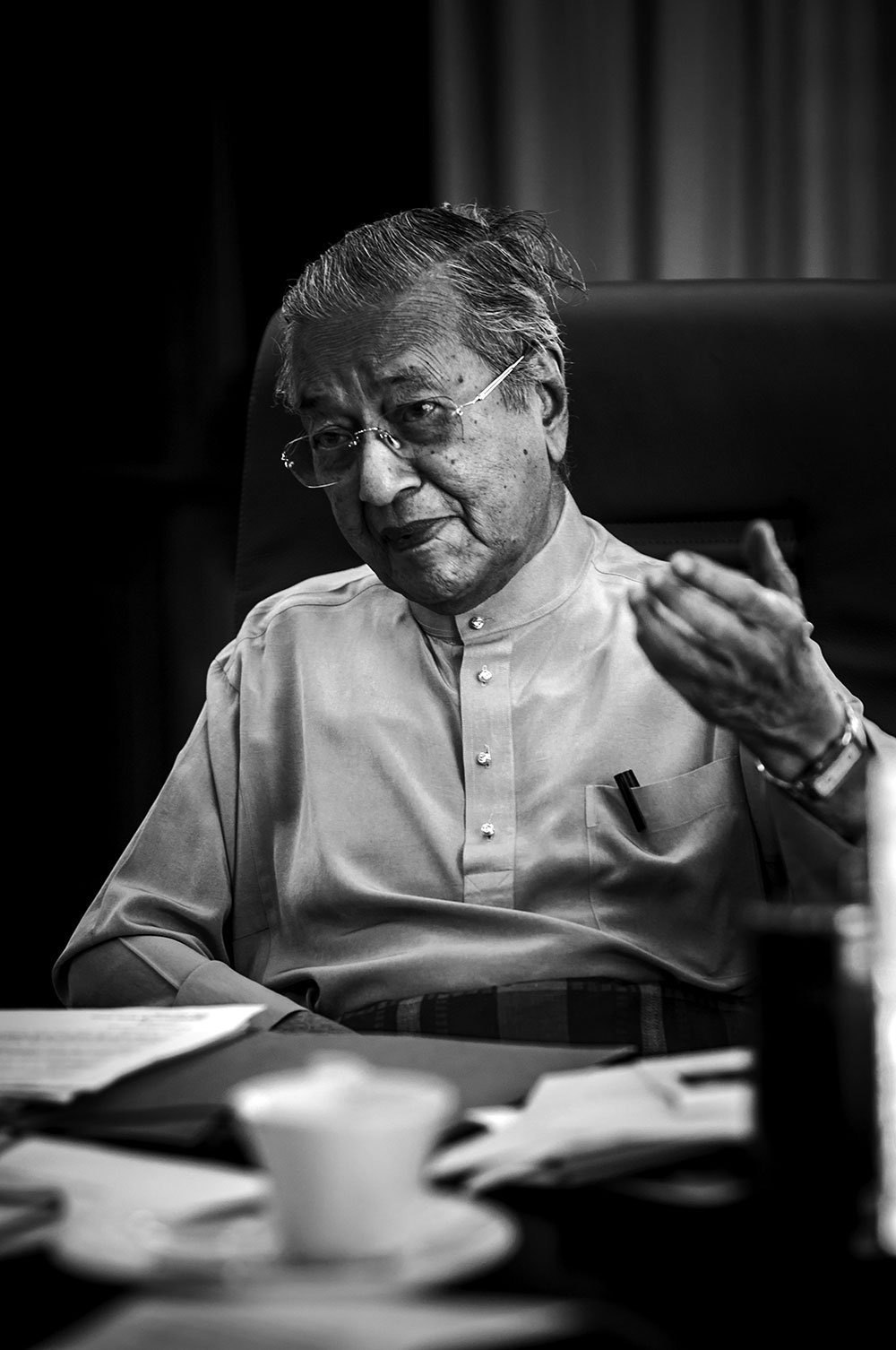
On 9 May, labyrinthine queues formed at voting centres all around Malaysia. In a wait that lasted some three hours, I struck up a conversation with a first-time voter, who admitted to being “politically apathetic” until this year. She told me she had to make sure Bapa (“Father”) — that is, Tun Dr Mahathir Mohamad — returned to power. The ruling coalition, she said, “have not only left this country to rot but at every opportunity have found a way to piss me off”.
Irony and paradox have shaped the course of Malaysia’s political history. The chequered landscape of Malaysian politics is replete with alliances forged then gone bad, but few could have anticipated that twenty years after Mahathir sacked his then deputy, Anwar Ibrahim, catalysing the reformasi (“reformation”) movement, a renewed alliance between the pair would overthrow the seemingly invincible Barisan Nasional (National Front) government from a seat of power it had increasingly come to claim as a throne.
The fractious, if eventually peaceful, transition of power was celebrated around the world as an example of the triumph of democracy in depressed times, but the challenges confronting the renewed nation remain daunting. Rising debt levels and untenable contracts with powerful neighbours for large-scale projects pose the primary challenge. As I walked into one of several offices of the returning prime minister, my attention was immediately drawn to the mounds of files and papers that spilled across several tables. The resolve of the Malaysian electorate to see the return of the ninety-two-year-old became obvious — faith in a steady and experienced hand and a master of statecraft.
More from Mekong Review
-

Poetry from Clarity Lim
-
What the return of Mahathir means for Malaysia
-
The broken lives of the Malayan Emergency
- Tags: Eddin Khoo, Issue 13, Mahathir Mohamad, Malaysia, reformasi